Death and Aftercare of the Body
Technically, death is the termination of the biological functions that sustain a living organism. Human medicine differentiates “brain death” from “biological death” from “legal death.” Clearly this is problematic and not well defined.
Whether a family chooses euthanasia or the pet passes on their own, it is important to know and at times, educate the families to set expectations appropriately.
Events associated with natural death:
1) Cardiac arrest
2) Muscle spasms or convulsions - cells lose connections
3) Agonal breath - up to hours after (humans), usually no more than 10 minutes at most in vet med; spasmodic open mouth with contraction of the diaphragm and retraction of the hyoid apparatus which occurs at death (mechanism not fully known)
4) Fluid from nostrils or mouth - if fluid back up in lungs (i.e., CHF, neoplasia)
Events associated with injection of barbiturates (euthanasia):
1) Cerebral death
2) Respiratory arrest
3) Cardiac arrest
4) Agonal breath
5) Fluid from nostrils or mouth
Occasionally caregivers will question what happens after the pet dies or questions why the pet still feels warm, why the eyes are open or even why they may see slight muscle twitching. Typically one does not need to go into much details but it is good to understand the process to give a summarized answer if asked.
Five stages of decompensation
Stage 1 - Fresh
a) Pallor mortis - paleness, 15-120 minutes after death
b) Livor mortis - settling of the blood in the lower portion of the body
c) Algor mortis - reduction in body temperature.
• Each hour the body temperature falls about 1.5 degrees.
d) Rigor mortis - limbs stiffen due to lack of ATP
• 30 minutes to 2 hours
• onset is faster at higher temperatures and with a lot of muscular activity immediately prior to death, which depletes glycogen stores and ATP in the muscle
Stage 2 - Bloat
a) Anaerobic metabolism continues leading to the accumulation of gases, such as hydrogen sulphide, carbon dioxide, and methane.
This causes the distention of the abdomen and gives a cadaver its overall bloated appearance.b) Intestinal anaerobic bacteria transform hemoglobin into sulfhemoglobin and other colored pigments. Gases aid in the transport of sulfhemoglobin throughout the body giving the body an overall marbled appearance.
Stage 3 - Active Decay
a) Period of greatest mass loss. This loss occurs as a result of both maggots and the purging of decomposition fluids into the surrounding environment. Liquefaction of tissues and disintegration become apparent during this time and strong odors persist. The end of active decay is signaled by the migration of maggots away from the body to pupate.
Stage 4 - Advanced Decay
a) Decomposition and insect activity are reduced. When the carcass is located on soil, the area surrounding it will show evidence of vegetation death.
Stage 5 - Dry Remains
a) All that remains of the cadaver is dry skin, cartilage, and bones, which will become dry and bleached if exposed to the elements. (Forbes 2008; Everplans. com 2017)
Aftercare varies based on situation and family wishes. Often in general practices, cremation is elected. With that said, many people would like to bury their pets at home and are not often given that option. It is important to offer that option but let the owner's know that it is their responsibility to learn about local ordinances as well as proper burying techniques.
The crematory you use is the most important pet loss partner for your clinic. Before selecting a crematory, one should tour the facility to observe how they handle the pets, how the procedure is done (mainly regarding identification) and learning the differences between a private, individual, and communal cremation.
Anticipatory Grief and Honoring the Pet
Our society in general is a “death avoidance” society. We try to move away from the pain of death and tend to not want to acknowledge its existence. The death of a pet is, for many, the worst personal loss they have ever experienced.
Complicate the event with the possibility of euthanasia and the emotions can be too much for some pet parents to bear. How, when, and why veterinary professionals can make a difference at such an important time is essential to maintaining not only the human-animal bond, but the doctor-client bond as well. There is no better time to show your clients you care than by helping through the difficult journey of pet loss.Many people experience what is referred to as “Anticipatory Grief” This is when emotions such as grief, despair, anger occur before the impending loss of a pet. Once an owner learns of a terminal illness or sees the long-term decline of their geriatric pet, their grief emotions can start to manifest and can even make some physically sick. The five stages of grief, listed below, can also be present in anticipatory grief. However, this period can also allow pet owners time to do things with their pet that they may have put off in the past and for some, it prompts a conscious closure before the loss.
With the lack of social acceptance of grief over a pet that has passed, it is even more compounded when someone is facing anticipatory grief. A caregiver may feel that no one understands them or they may even feel “silly” that they are getting so emotional over “just an animal.” But most pet owners that love their pets do understand and it is important that this period of grief is recognized, and us as pet professionals assist our clients during this difficult time.
This period of anticipatory grief doesn't usually take the place of post-loss grief. There will typically still be a degree of grief after the pet has passed.
Regardless if the pet is old or young, if death is sudden or expected, grief is a natural reaction to the loss of that pet. Similar to when a person passes away, many people can experience what is commonly called the five states of grief - although not everyone experiences all of these emotions and there is no set pattern that people follow when grieving.
1) Denial
2) Anger
3) Bargaining (i.e., trying to find an activity or action that either could have helped avoid the loss or that will take it away)
4) Depression
5) Acceptance
Pet loss grief is a real and sometimes crippling emotion. As pet professionals we need to recognize, embrace, and help (within limits) our clients through this time. Your clinic should have available information on local pet loss groups and even counselors for clients not only dealing with pet loss but also the upcoming loss of their pet to help with anticipatory grief. A recommended source for pet loss information as well as companion certification is at Two Hearts Pet Loss Center (http://twoheartspetlosscenter.com).
Honoring their Memory
Honoring a lost pet is an important part of both the grieving and healing process. Some don't want any remembrance of their pet as the emotional pain is too intense while others need many ways to remember and honor their pet. In the clinic, the most common memorial item we provide is the paw impression in clay. I encourage all doctors to make the paw impression personally and after every euthanasia. This simple act can provide so much peace and happiness to the client - often rubbing off on the veterinary team.
Below are some ideas we can provide owners to help them to honor their pet once their time together has come to an end:
1) Start a scrapbook with photos, drawings and/or stories.
2) Plant a tree in the backyard - choose one as a family that “reminds” you of the pet. For example, a snowball bush for a white, fluffy dog/cat or a big, oak tree for a working breed dog.
3) Plant flowers yearly in a flower bed and take that time to reminisce and remember the pet.
4) Make a tribute table with items that remind the family of the pet; pictures, toys, a collar or leash, favorite stick or mementos from various trips together (Figure 36.12). This can be a particularly useful when small children are in involved in the grieving process.
5) Have all family members wear something that reminds them of the pet. For example, get all shirts to match the same color as the pet's favorite collar, get a picture of your pet on a nightshirt, a ring with the pet's birthstone or engrave the pet's name in a locket.
6) Make each family member a small pillow out of the pet's favorite blanket or bandana.
7) Hold a memorial service - let children take part in the planning as much as possible (older children can do the planning/ inviting independently).
8) Make a donation in the pet's name and let children choose the charity.
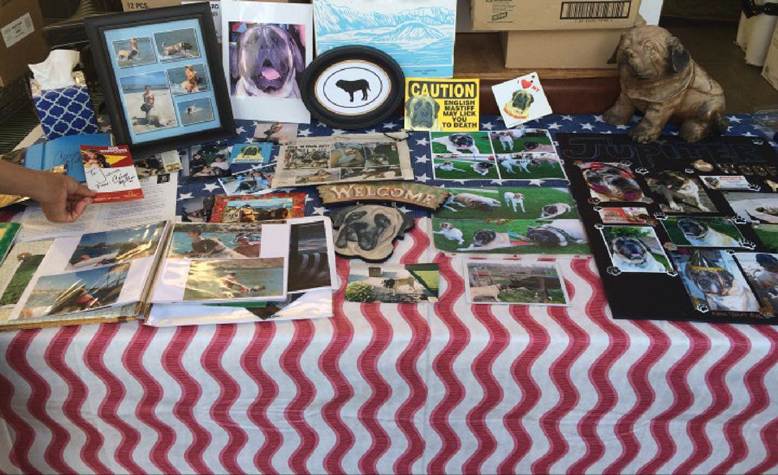
Figure 36.12 Jupiter's Memorial Table. This was created the day of the euthanasia and left out for the family to look at for a week.
9) Write a letter or a “will” from the pet - this will serve as a nice family activity to share and a forum for memories and stories.
10) Have all family members write (or if they are too young, you can do it for them) a letter to the pet to express their feelings or perhaps things they wish they could say to the pet.
11) Keep a list of all the things the pet did that brought about a smile or laugh. The family can experience the joy the pet brought to their lives now and for years to come.
12) Keepsakes: There are many companies that specialize in creating personalized treasures like stone markers, sculptures, paintings, jewelry, even diamonds that can all incorporate the cremains of your pet.
Resources for Coping with Pet Loss
• Good resources for pet loss help can be found through the “Association for Death Education and Counseling” and the “Association for Pet Loss and Bereavement”.
• Dr. Alan Wolfelt, Pet Loss expert, has created the ‘Pet Lover's Code' which helps owners with the loss of a pet
• Petlosspartners.org
Pet Loss Books for Children
• When a Pet Dies ~ F. Rogers