Dying WithAssistance-Euthanasia
The euthanasia appointment is unparalleled in emotion and sentiment. What you say, how you say it, and what you don't say during the euthanasia becomes a delicate dance that should be carefully choreographed and continually improved upon.
Making the decision to euthanize a pet can feel gut-wrenching, murderous, and immoral. Yes, those are strong words, but that is what our pet families' experience. They feel they are letting their pet down or that they are the cause of their friend's death (which is why so many say “I'm sorry” to their pet as they are passing). They forget that euthanasia is a gift, something that, when used appropriately and timely, prevents further physical suffering for the pet and emotional suffering of the family.
If there is one thing to keep in the forefront of the team's approach to the euthanasia appointment, it's this: “What would I do for my own family's pet?” This goes for the environment, the medicine, and even how they are handled afterwards. When you consider what you would do for you own pet - that becomes the minimum of how you treat your patients and their caregivers. The entire euthanasia process can be broken down into three major sections. Before, during, and after the appointment.
Before
The most difficult phone call an owner has to make about their pet is the euthanasia appointment. The moment the receptionist knows the call is for a euthanasia, they should immediately show empathy and focus entirely on the conversation. Owners should never be put on hold - particularly if the hold music is advertisements for care of pets. Prices for services should be memorized or cheat sheets available to enable a quick response to any questions. It's best if all services are priced as a group instead of itemized which can be difficult for a receptionist to list and even more upsetting for a client to hear.
For example - the price for the euthanasia should automatically include sedation and catheter placement and so on.The most concerning trend I have encountered is when clinics will charge more if the client wants to be present. Although I understand the rationale behind this - receptionists dislike talking about that and owners will wonder what a clinic does to their pet (or services not provided) when they are not around to witness. This doubt instantly puts a shadow on the already emotionally fragile appointment.
During
When a family is on the schedule for a euthanasia, appoint someone on the team to manage that appointment including watching out for the family as they pull up. Assist them with their pet getting out of the car, open the door for them and direct them to the exam room as quickly as possible. If there is one message I would give, it is to never break the human-animal bond - particularly during the last appointment. I would never want my pet separated from me at the end nor would I want them to experience even the slightest bit of anxiety. This is why I feel that all pets should be allowed to stay in the room with their family while all preparations are made. Ideally, pets should be sedated before any type of catheter (indwelling or butterfly) is placed. I cannot tell you how many owners will comment on how nice it is to see their pet calmly resting one last time (Figure 36.9). It gives the owners a sense of peace and is a nice transitional step before the final medication is given. I've also seen that it helps the entire staff to see this peaceful resting period. All too often pets are not sedated (or they struggle for an indwelling catheter first) and it is putting emotional pressure on the staff when most feel a struggle with this type of appointment already.
Communication is paramount during this time. Everything should be explained especially how the euthanasia medication works (Figure 36.10). Too often owners think the medication stops the heart and think it's painful, or they do not realize how fast the process can be.
Explaining every possible side-effect is not necessary but the two key ones are relaxing the bladder and the eyelid muscles relaxing and not tightly closing.Offering time alone before or after the euthanasia is suggested in case the family
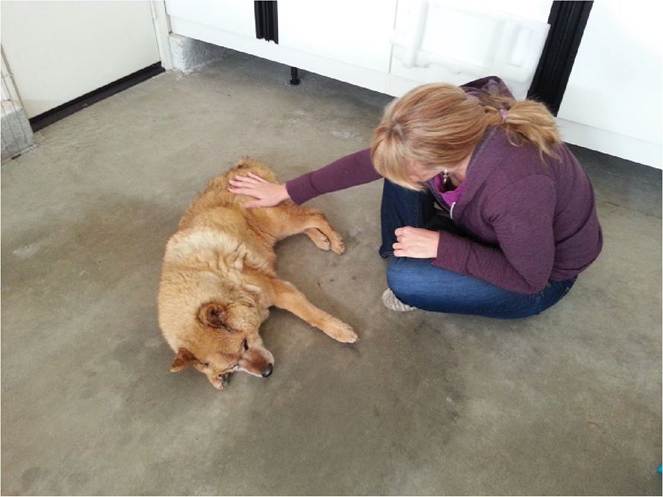
Figure 36.9 Dr. Mary Gardner and Jindu. The patient had a difficult night and the owners called at 6am asking for Dr. Gardner to get there as soon as she could. (After giving the sedation, the owners wanted to take a picture of him so peaceful as they had not seen him resting that well in weeks.)
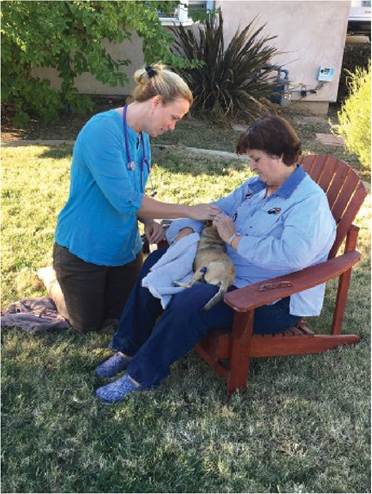
Figure 36.10 Dr. Mary Gardner explaining the euthanasia process to a client.
needs time to prepare or grieve. They should never feel rushed or awkward for their wishes.
After
After the appointment, follow up with the family to make sure they don't have any questions or are in need of support. It is recommended to call the family the following day to simply offer your condolences and let them know you are there if they need anything. The power behind that small gesture is priceless. Sympathy cards personalized by the entire staff show the owners that everyone at the clinic cared for their pet as well as the family and that the bond they shared is recognized and honored. Creating a good experience and memorial has a positive effect on many people dealing with loss and allows them to appreciate the life and memory of the lost one.
Although everyone knows the exam room contains the “cold sterile table” - the sterility
of the appointment comes from multiple facets - not just the steel table. The feeling of support during the illness and decision process, how the receptionist warmly communicates to the family, the service and caring nature the entire team handling the appointment, to the follow up - all can turn a difficult moment for a family, into something a little better than expected.