ENERGY SOURCES TO CARRY OUT MUSCLE CONTRACTION
Muscle contraction is powered by Adenosine Triphosphate (ATP), which is converted into Adenosine Diphosphate
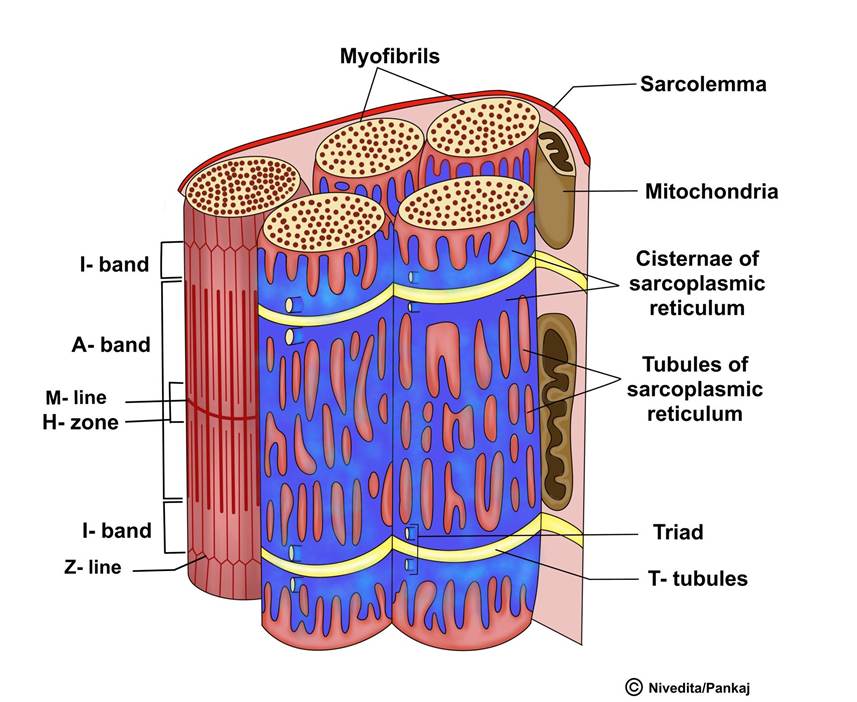
FIGURE 7.10 Sliding mechanism of muscle contraction.
(ADP) and inorganic phosphate (Pi). The concentration of ATP in muscle fibres is around four millimolars and can sustain full contraction for only a fraction of a second. Phosphocreatine is the first energy source for rephosphorylating ADP to form new ATP, but the amount is limited, only about five times greater than ATP.
7.6.1 Creatine Phosphate
Creatine phosphotransferase triggers Lohmann’s reaction, releasing high-energy phosphate from creatine phosphate. The energy produced by the stored ATP and phosphocreatine is only enough to maintain the maximum level of muscle contraction for a brief period of 5 to 8 seconds. This process occurs through intermediary metabolism within the muscle fibre and oxidative phosphorylation in the mitochondria’s electron transfer chain.
7.6.2 Glycolytic Pathway
Glycolysis is the second energy source, breaking down glucose in muscle cells to pyruvic acid and lactic acid, releasing energy to convert ADP to ATP. This process can continue even without oxygen, allowing muscle contraction to continue for many seconds or even more than a minute. The capacity of glycolysis to maintain maximum muscle contraction is restricted by the accumulation of end products in muscle cells, typically after approximately one minute.
7.6.3 Oxidative Phosphorylation
The third and final energy source is oxidative metabolism, which combines oxygen with cellular foodstuffs to produce ATP. Over 95% of all energy used by muscles for sustained long-term contraction comes from oxidative metabolism.
During prolonged endurance exercises, the predominant source of fuel for aerobic metabolism is fatty acids. These fatty acids undergo beta-oxidation to produce acetyl-CoA, which subsequently enters the citric acid cycle to generate ATP. Muscle contraction efficiency is approximately 50-70%, with excess energy dissipating as heat. This heat is crucial for regulating body temperature. When at rest and cooling, shivering involves muscle contraction and generates heat, which is helpful in maintaining body temperature.
7.7