Introduction
Fungi are eukaryotic, heterotrophic organisms, multinucleated like molds, or only with one nucleus, like yeasts. These organisms can be unicellular, or multicellular, which we call mycelium.
Yeasts are unicellular and do not present, in general, morphological differences. The cells are rounded, ovoid or elongated, but some yeast under special conditions may have successive sprouts in a chain, which we call pseudomycelium [1].The classification of fungi is based on morphological, reproductive and physiological characteristics. The taxonomy of fungi is still varied, but we can classify them in the Kingdom Fungi in the six phylas: Basidyomycota, Ascomycota, Glomeromycota, Chytridiomycota, Blastocladiomycota and Neocallimastigomycota [2, 3].
Approximately 200 out of a total of 100,000 species of yeast are considered pathogenic. Of these pathogenic species, 50 of them are regularly associated with mycoses. Yeasts are the ones that cause the greatest number of mycoses, both in man and in animals and we highlight the genera Candida, Cryptococcus, Malassezia and Trichosporon [3].
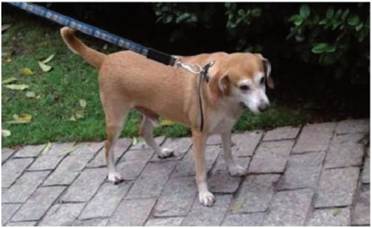
Figure 1.
Mixed breed dog.
These yeasts can be assexual (anascoporogenous), or sexual (ascoporogenous or basidioporogenous). In general, they are considered opportunists “waiting” for their “opportunity”, that is, the drop in the immunity of man and animals, thus causing a case of ringworm.
Among domestic animals, the ones that have the closest proximity to people are dogs. Canis Iupusfamiliaris is believed to have emerged approximately 130,000 years ago, from the domestication of the gray wolf. Crossbreeding and selection of characteristics gave rise to different breeds, including Poodle, Yorkshire, Terrier and Labrador Retriever, but mixed breed animals are prevalent in homes around the world (Figure 1) [4].
In addition to being mere companions in people’s homes dogs have established themselves with essential functions such as security and hunting.
These dogs have gained these and other noble functions and thus brought them even closer to human beings in places and situations that would otherwise be dispensed with. Today they also act as guides for the visually impaired, accompanying people to the hospital, monitoring blood glucose levels for diabetic people and even detecting pathogens in hospital environments [5].These new functions, with consequently greater proximity between dogs and people, also result in a possible greater exchange of microorganisms between these beings, including yeasts. Among these fungi, the most present in the oral mucosa of dogs are the genera Malassezia and Candida and found less the genus Cryptococcus [6].
In the field of public health, these microorganisms have in common the ability to cause disease in both animals and people, and therefore this possible increase in the sharing of microbiota between these beings must be monitored by health specialists.
It is important to emphasize that the exchange of microorganisms occurs in both directions, and that the health of the animals must also be considered in these cases.
The vigilance of the clinical mycologist must be maintained for a better understanding of how future changes can become serious public health problems, especially for yeasts, as we have already seen in several situations.
2.