Physiologicalchanges
Physiological changes occur with aging in all organ systems. The cardiac output decreases, blood pressure increases, and arteriosclerosis develops. The lungs show impaired gas exchange, a decrease in vital capacity, and slower expiratory flow rates.
The creatinine clearance decreases with age although the serum creatinine level remains relatively constant due to a proportionate age-related decrease in creatinine production. Functional changes, largely related to altered motility patterns, occur in the gastrointestinal system with senescence, and atrophic gastritis and altered hepatic drug metabolism are common in the elderly. Progressive elevation of blood glucose occurs with age on a multifactorial basis, and osteoporosis is frequently seen due to a linear decline in bone mass after the fourth decade. When placed in a cold environment, an old rat takes much longer to adjust its metabolism to the changed condition than does a young one. The epidermis of the skin atrophies with age, and due to changes in collagen and elastin, the skin loses its tone and elasticity. Lean body mass declines with age, primarily due to the loss and atrophy of muscle cells. Degenerative changes occur in many joints, and this, combined with the loss of muscle mass, inhibits elderly patients’ locomotion. These changes with age have important practical implications for the clinical management of elderly patients: metabolism is altered, changes in response to commonly242
DOI: 10.1201/9781003426851-25
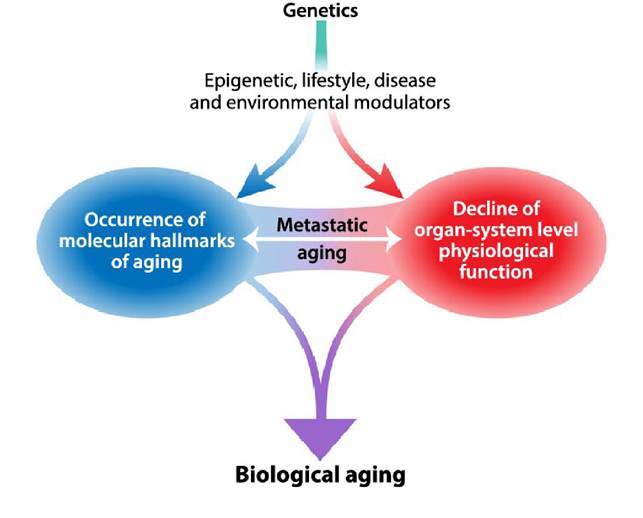
FIGURE 25.1 Biological aging.
used drugs necessitate different dosages, and there is a need for rational preventive programs of diet and exercise in an effort to delay or reverse some of these changes.
25.3
Source:
Rana Tanmoy (ed.). Principles of Veterinary Animal Physiology. CRC Press,2026. — 290 p.. 2026
More on the topic Physiologicalchanges:
-
Veterinarian -