Abnormalities of Posture and the Righting Response
Posture refers to the position of the body and head in space, in relationship to gravity and to each other. Animals adopt
slightly different postures when on a sloped or uneven surface compared with posture on a level surface.
However, sustained asymmetric postures such as head tilt (Fig. 8.3), in which one ear is closer to the ground than the other, and head turn (Fig. 8.4), in which the nose is turned back toward the trunk, are abnormal. Circling often accompanies head tilt and head turn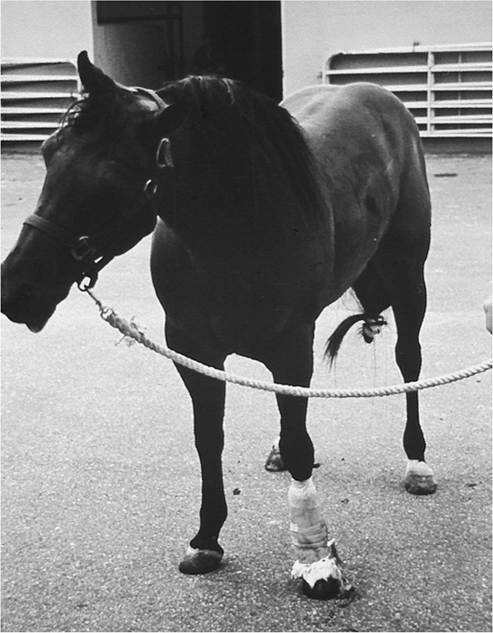
FIG. 8.3 Head tilt caused by vestibular dysfunction in a horse that sustained head trauma.
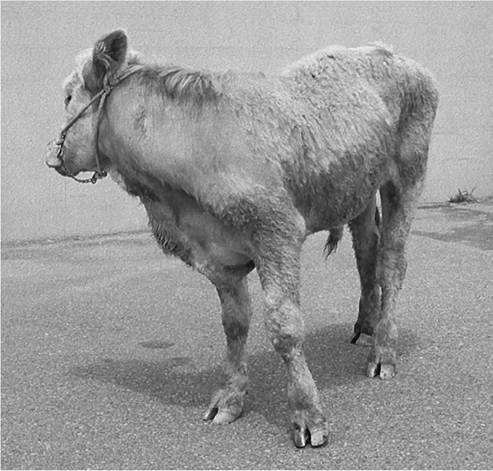
FIG. 8.4 Head turn in a steer with polioencephalomalacia.
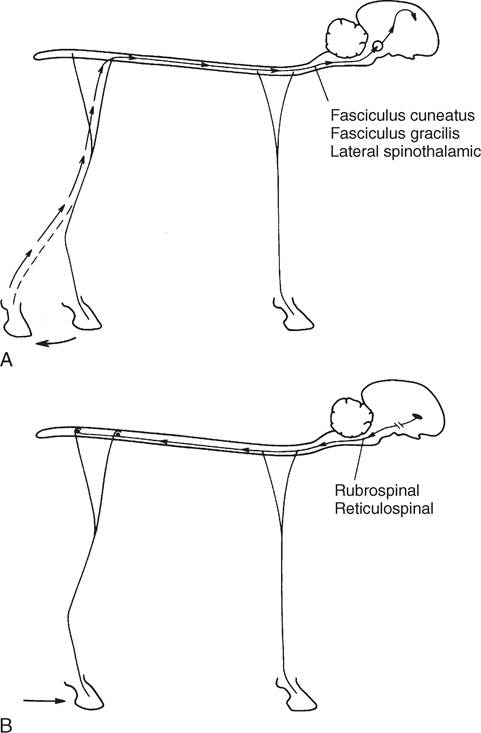
FIG. 8.5 A, Afferent pathways responsible for providing proprioceptive information to the brainstem and higher centers. B, Efferent pathways responsible for providing motor activities to the motor neurons.
in asymmetric vestibular disease, and all tend to be toward the direction of the lesion. The exception to this rule occurs in paradoxical vestibular syndrome, in which head tilt and circling occur in a direction away from the side of the lesion.
The righting response is most easily tested in small ruminants and in recumbent large animals (Fig. 8.5). The response is initiated by receptors in the eyes and vestibular labyrinths and by proprioceptive receptors in the joints, tendons, and muscles. Information regarding limb position and balance is relayed ultimately to the cerebral cortex. Descending impulses are initiated in the motor cortex and relayed via the brainstem, cerebellum, and spinal cord to the appendicular musculature. The normal response to stimulation is to lift the head, assume sternal recumbency, and rise. The normal horse rises on the thoracic limbs first, whereas the normal ruminant rises on the pelvic limbs first. Animals that are in lateral recumbency and unable to lift the head from the ground may have lesions in the peripheral or brainstem vestibular centers or in the cervical spinal cord cranial to the C4 spinal cord segment. Unilateral lesions in this area result in an inability to lift the head from the ground when the lesion side is up. When the lesion side is down, the animal can raise the head slightly. Animals with incomplete lesions of the C7 to T2 spinal cord segments can lift the head and neck but cannot rotate the thorax into a prone position, and they may remain recumbent. Animals with lesions of the thoracolumbar and lumbosacral spinal cord (T3 to S3 spinal cord segments) can usually lift the head and neck, arise on the thoracic limbs, and assume a dog-sitting position.