Descenting
Much of the odor of intact male goats emanates from multilobular sebaceous glands located caudomedially to the horns or the bosses of a polled goat (Figure 18.9). These scent glands are testosterone responsive, and one chemical produced has been identified as 6-trans nonenal (Smith et al.
1984). The odor of the buck is most rank during the fall breeding season (Jenkinson et al. 1967; Van Lancker et al. 2005). The scent glands and other sebaceous glands in the skin on the neck and shoulders are more active at this time of year, because of increased testosterone secretion.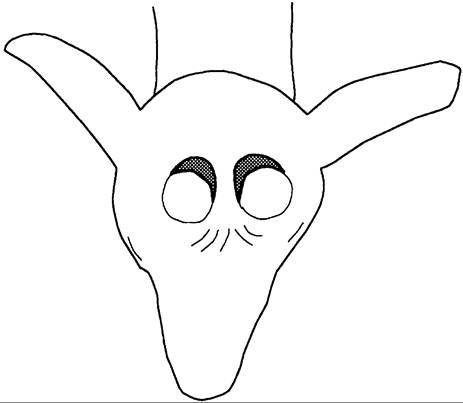
Figure 18.9 Location of skin to be cauterized or extirpated for descenting.
The sexually active buck also urinates on his head and forelegs, but the buck odor is absent from urine. Toggenburg bucks have a stronger buck odor than Pygmy goats (Van Lancker et al. 2005). Does and castrated males only rarely produce noticeable buck odor. The odor is very marked in intersexes, which are genetically female but produce testosterone.
The skin over the scent glands can be kept clipped and scrubbed to remove as much secretion as possible. If owners or neighbors have sensitive noses, the scent glands can be destroyed, although the buck is not rendered odor free by surgery (Bowen 1981) and may be less efficient at detecting and stimulating signs of estrus.
Descenting is easiest to do at the time of disbudding. An additional crescent of skin is burned caudomedial to each horn. Some owners choose to do this to doe kids also, theorizing that the occasional doe develops a slight buck odor.
When an adult buck is dehorned, additional skin can be removed to extirpate the scent glands. During the breeding season, this hairless skin is elevated and shiny, with large pores. If dehorning is not desired or has already been done, the glands should be located and a crescent of skin surgically removed. Tranquilization and local infiltration with lidocaine provide analgesia. The edges of the wound may be cauterized to control hemorrhage. If much skin is
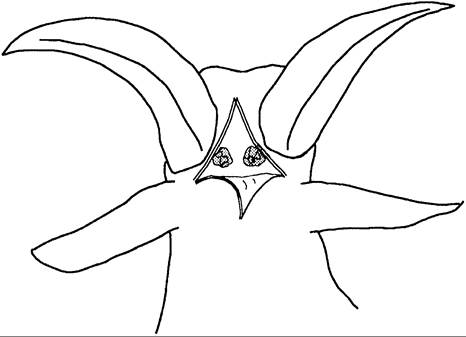
Figure 18.10 Surgical reflection of skin to locate scent glands of mature buck. Source: Redrawn from Johnson and Steward 1984.
removed, the wound edges can be sutured (Bailey 1984). Sometimes the scent glands extend to an increased distance from the horns and may be easier to locate if a triangular flap of skin (apex of the triangle on the midline 3-4 cm in front of the anterior aspect of the horns) is reflected caudally (Figure 18.10). The glands are then located underneath the flap and extirpated and the skin flap is sutured back into place (Johnson and Steward 1984).