Dehorning
Horns have evolved in goats, as in other species, because of the protection they afford against predators and the improved social status they impart within a herd. Goats joust frequently to establish and verify social rank.
The goat rears up on its hindquarters, twists its head down and to one side, and crashes against the opponent’s horns. Ridges on the anterior surface of the horns help to prevent a sudden slipping or shearing motion, and neck muscles are well developed, so that fractured cervical vertebrae are avoided (Reed and Schaffer 1972). In many confrontations (e.g., when food is involved), the abrupt presentation of horns is enough to drive off a subordinate goat; however, when adults are put together for the first time or after even a brief separation, actual contact occurs.The number of horns is variable: none (polled condition) or two horns are generally present. Goats with more than two horns (as many as eight) have been reported, and the polycerate condition is believed to be inherited (Lush 1926).
The basic anatomy of goat horns resembles that of cattle horns. Each horn is composed of closely packed tubules, which are produced by corium and germinal epithelium. The corium in turn is attached to the periosteum of the cornual process of the frontal bone. The cornual diverticulum of the frontal sinus forms a cavity within the horn. The cornual artery, a branch of the superficial temporal, supplies the horn. The nervous supply is described here under disbudding.
What is appropriate for wild goats may be undesirable in large herds or for animals in close confinement. If one goat does not acknowledge another’s dominance, severe crushing injuries or lacerations may occur. Young kids may be killed by a buck or a dominant doe because they are too slow to take evasive action. If none of the goats in a herd has horns, then fewer serious injuries occur during social interactions.
The total absence of horns, however, does not greatly alter social behavior. Goats still rear up and crash down toward each other, sometimes missing by the distance equivalent to two sets of horns. Young kids and subordinate does are still kept away from the feed trough, although biting of ears may be the threat used to enforce territorial rights.One of the major reasons for dehorning goats, then, is to limit injuries inflicted on herd mates. By the same token, injuries to children and adult goat keepers can be minimized by removing the goats’ natural weapons (Matthews and Dustan 2019). Destruction of fences and pen partitions is slowed, and the annoying tendency of goats to stick a head through a fence, then yank back and get caught, can be almost totally eliminated. This prevents deaths by hanging and also avoids complaints from passers-by. A final reason for dehorning goats is that, in the United States, dairy goats cannot be registered or shown if they have horns. Horns are permitted in Pygmy and Pygora goats. It is common for meat goat shows to require that horns be tipped (blunted) if present.
Goat Medicine, Third Edition. Mary C. Smith and David M. Sherman. © 2023 John Wiley & Sons, Inc. Published 2023 by John Wiley & Sons, Inc.
A goat should not be dehorned without due consideration given to the dangers associated with the operation. A placid adult kept as a pet or family goat should not be subjected to the surgery if no children or small animals are nearby to be inadvertently injured. An animal that is destined to live its life on a tether should probably be left with horns so that it can defend itself against marauding dogs. Angora goats also usually need their horns for protection. Large bucks can be led by the horns. Removing the horns from a breeding buck may make it less able to compete with other bucks for females. The dehorned buck may also be perceived as less “macho” in some human societies and may therefore not be chosen for breeding.
Finally, the stresses associated with the surgery and adverse sequelae may interfere with milk or sperm production, or even cause death of the goat.The Polled Goat Alternative
It seems logical to avoid all the problems and dangers of dehorning by simply selecting for the absence of horns. Although this works in some breeds, the US dairy goats of European extraction (i.e., Saanen, Alpine, Toggenburg) unfortunately have a serious genetic reproductive disorder linked to the polled condition. In these breeds, the presence of horns is determined by a recessive gene. The polled trait is dominant, but is linked to a recessive gene for infertility. A female goat that is homozygous for the polled gene develops into a sterile intersex. The homozygous polled male has an increased risk of developing sperm granulomas in the head of the epididymis. These problems are discussed in Chapter 13. Polled goats of normal reproductive potential can be obtained if one member of each breeding pair is polled and one is naturally horned, as half of the offspring will be polled; eliminating all horned goats from the breeding program results in the production of many infertile goats.
Disbudding Kids
If either parent was polled, then the kid may be naturally polled and thus not require disbudding. Some owners ignore this possibility and simply destroy skin in the place where horns would normally be while descenting the kid. For future breeding plans (to avoid intersexes), however, it is important to know whether the kid was polled. Horned kids have a twist of hair over each horn bud (Mackenzie 1975; Ricordeau and Bouillon 1969) (Figure 18.1). The skin of the horn bud is tightly affixed to the underlying bone. Polled kids have just a central whorl of hair on top of the head (Figure 18.2).
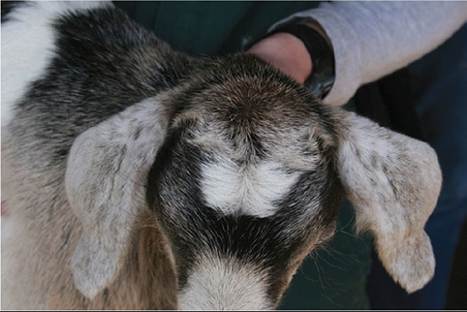
Figure 18.1 Horned kid with twist of hair over each bud.
Source: Courtesy of Dr. M.C. Smith.
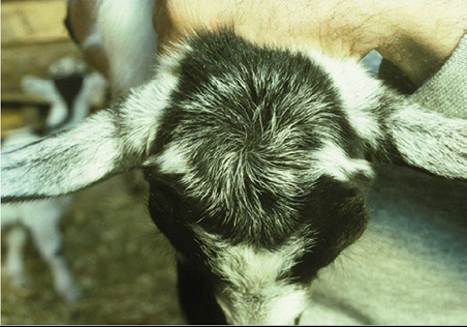
Figure 18.2 Polled kid with central hair whorl. Source: Courtesy of Dr. M.C. Smith.
Age for Disbudding
For doe kids of European breeds, 5-7 days is an ideal age for disbudding. Buck kids have larger horn buds than doe kids of the same age; therefore, disbudding at 3-5 days of age is preferable for bucks. Disbudding of kids that were very small at birth and of most female Nubians and Pygmy goats can usually be delayed until 2 weeks, as long as the operation is performed carefully (Williams 1990).
Methods
The secret to successful disbudding is to destroy all of the corium from which horn is destined to grow. Although options include surgical removal of a circle of skin, heat cautery, and cryosurgery, only heat cautery will be discussed in detail.
Dehorning paste should be avoided; it can injure the eyes of the kid or eat holes elsewhere in the skin of the kid or other animals in contact with it. These risks can be controlled to some degree by clipping hair, applying a peripheral ring of Vaseline to limit spread of the paste, and restraining the kid for 30 minutes. The pain associated with paste dehorning persists longer than does pain from heat cautery. There is higher cortisol response in the first hour after paste disbudding than is seen with heat cautery (Hempstead et al. 2018b), suggesting that the paste technique is more painful. Occasionally, the paste even destroys the calvarium underlying the horn bud, thereby permitting penetration of bacteria to the brain.
More recently, the injection beneath each horn bud of clove oil extract (0.2 mL; Molaei et al. 2015) or synthetic eugenol (0.1 mL; Abbasi et al. 2018) has been proposed as an alternative method of disbudding kids. When other authors used this technique on Saanen kids 9-14 days old, 9 of 10 kids developed scurs (Hempstead et al. 2018b). In a larger study done by this same group, the probability of scurs was 0.7 and the probability of regrowth of horns was 0.2 in Saanen doe kids disbudded with clove oil at 4 days of age (Hempstead et al.
2018c). More seriously, almost immediate death and necrosis of the skull have been observed in some kids injected with clove oil (Balch 2018). This technique does not appear to be superior to properly done heat cautery.Heat cautery is the most commonly used technique in most parts of the world. An electric dehorning iron with a tip of 12.5-16 mm internal diameter is convenient, as long as it becomes and remains hot enough (cherry red) to destroy the skin rapidly. A Rhinehart® Development Corp. (Spencerville, IN, USA) 200 watt dehorner is available from many suppliers in the United States. A dehorner with a 9.5 mm internal diameter tip could be used for young Pygmy and Nigerian Dwarf doe kids, or just wait a few extra days before disbudding. Less expensive, low- wattage dehorners must be applied for longer to achieve the same results, with more risk of overheating the brain. Long extension cords decrease the heat of the iron. Clipping hair from the head improves visibility, decreases burning time, and limits smoke inhalation. When the horn bud is very small, a dehorning tip with a sharp edge can be applied with enough pressure that a ring is burned through the full thickness of the skin, to the bone. The isolated central circle of skin containing the horn bud can then be lifted off (Figure 18.3). Where electricity is not available, a butane-heated calf dehorner (Portasol®, Nasco, Fort Atkinson, WI, USA) with a 16 mm internal diameter tip also works well on young goats. Alternatively, a length of metal pipe of the appropriate diameter can be heated in a fire or with a blow torch (Matthews and Dustan 2019) until cherry red. A 25 mm steel nut can be welded onto a branding iron and heated in the same way (Baxendell 1984).
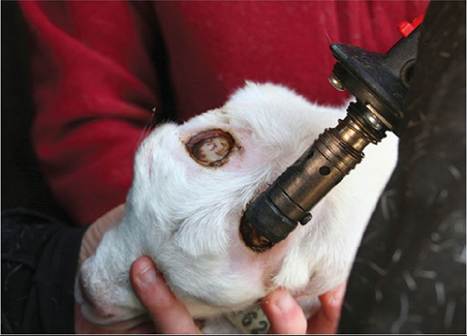
Figure 18.3 Removing horn bud with butane-heated dehorner.
Source: Courtesy of Dr. M.C. Smith.
Some kids, especially bucks, are presented for disbudding when the entire horn bud no longer fits within the dehorner tip.
The edge of the hot dehorner is applied to the skin at an angle and rolled around the bud to cut out a larger circle than is required for does. Alternatively, a broader tip can be applied with less pressure and slid around to burn a larger circle that destroys the full thickness of skin, but does not cut through it. Operators should not aim for a fixed time, but instead should check each horn bud to determine that the skin has turned copper- colored and that color cannot be scraped off with a fingernail. All of the horn corium must be within the final copper ring; with this technique the author prefers to burn the center of the ring until it, too, turns copper-colored. On buck kids, an additional crescent toward the front is also burned. If the initial burn is not adequate, then that side of the head should be allowed to cool and the dehorner allowed to reheat before continuing. When the horn bud is removed, small scabs are still evident at six weeks after surgery (Hempstead et al. 2018b). This is comparable to the time for complete healing (seven weeks) when the horn bud is cauterized but not removed (Alvarez et al. 2019).After disbudding is complete, the top of the head can be cooled by applying an ice pack or a package of frozen vegetables. A wound spray such as Neogen®Vet AluSpray® (Lexington, KY, USA) finishes the job. It is extremely important to keep the tranquilized kid warm until it has recovered enough to nurse.
If the dam of a recently disbudded kid tries to reject it because of the odors associated with the burned skin, a strong-smelling substance such as peppermint extract or Vicks VapoRub® (mentholated ointment; Procter & Gamble, Cincinnati, OH, USA) can be applied to her nose.
Many other variants exist. The use of a car cigarette lighter attached to a car battery has been described (Al-Sobayil 2007). Some practitioners without a dehorning iron excise a circle of skin with a scalpel blade. Disbudding of 2-day-old kids with cryosurgery has been reported to be successful and problem free (Anonymous 1977).
Restraint and Sedation
Restraint for disbudding is done in as many different ways as the surgery itself. In the United States and Australia, disbudding is commonly done without anesthesia, whereas in the United Kingdom, disbudding must be done by a veterinary surgeon and anesthesia is advised (Matthews and Dustan 2019). In defense of the many who simply hold the kid flat on its side while kneeling on the ground or wrapped in a towel or placed in a narrow wooden box from which only its head protrudes (Williams 1990), it should be noted that most signs of discomfort disappear as soon as the hot iron is removed and the kid is released. The kid quickly resumes nursing, playing, or even sucking on the fingers of the person who held it, although some such behaviors may actually be in response to pain. Initial pain-associated behaviors such as head scratching and head shaking are markedly reduced an hour after disbudding (Hempstead et al. 2018a).
If available, halothane or isoflurane administered through a face mask is an easy way to supply general anesthesia (Buttle et al. 1986; Hempstead et al. 2018a; Matthews and Dustan 2019), as long as the oxygen mask is taken away before a gas disbudder is applied. Propofol given quite slowly intravenously (IV) at 3-5 mg/kg or alphaxalone at 4.5 mg/kg provides good anesthesia and rapid recovery (Matthews and Dustan 2019), but may lead to apnea (Seddighi and Doherty 2016). The respiratory rate should be monitored and ideally the clinician should be ready to intubate the goat if necessary. An intramuscular cocktail of injectable drugs is commonly used, such as xylazine, ketamine, and atropine (Pieterse and van Dieten 1995) or xyla- zine, ketamine, and butorphanol, as described in Chapter 17. Atropine can potentially lead to obstruction of the airways by making respiratory secretions more viscous. In the United Kingdom, a mixture is prepared by adding 1 mL of 20 mg/mL xylazine and 1 mL of 10 mg/mL butorphanol to 10 mL of 100 mg/mL ketamine. Then 0.1 mL of this solution is given IV per 5 kg of kid (Matthews and Dustan 2019). Whenever xylazine is used there is a potential for pulmonary edema to develop (Seddighi and Doherty 2016). This is best addressed with furosemide and oxygen therapy.
Xylazine alone, at doses large enough to produce several hours of somnolence (as well as hypothermia), in addition to the risk of pulmonary edema, often does not prevent vocalization during disbudding. Dexmedetomidine in a 0.5 mg/mL solution, given at a high dose of 0.1 mg/kg intramuscularly (IM), prevents all vocalization and kicking without the use of local anesthesia, and can then be reversed with an equivalent volume of atipamezole hydrochloride, 5.0 mg/mL solution IM (Nfor et al. 2016). Practitioners in the United States have successfully used 5-10 pg/kg dexmedetomidine plus 0.1-0.2 mg/kg butorphanol IM for disbudding kids, in conjunction with local buffered lidocaine. It is also possible to make a dilute solution of xylazine by adding 0.5 mL of 20 mg/mL xylazine to 9.5 mL of sterile saline in a 10 mL evacuated blood tube. The resultant mixture is 1 mg/mL xylazine and can be easily dosed with a 25 g needle and tuberculin syringe to deliver 0.1-0.25 mL IM to the neonatal kid. Yet another protocol with no potential for pulmonary edema (compared to xylazine) and a reduced risk of apnea (compared to propofol or alfaxalone) uses either midazolam (0.1-0.5 mg/kg IV or IM) or diazepam (0.1-0.5 IV) combined with butorphanol (0.1-0.2 mg/kg IV or 0.2-0.4 mg/kg IM) (Seddighi and Doherty 2016).
Nerve Block for Disbudding
Local nerve blocks can be used for anesthesia when disbudding young kids, as long as care is taken to avoid a toxic dose of the local anesthetic agent (see Chapter 17) and to aspirate before injection to avoid IV administration. A dose of 7 mg/kg appears to be safe (Venkatachalam et al. 2018). Two nerves supply each horn (Vitums 1954; Elmore 1981). The cornual branch of the lacrimal nerve passes along the temporal line behind the supraorbital process, between the lateral canthus of the eye and the posterior aspect of the horn. The cornual branch of the infratrochlear nerve passes over the dorsomedial rim of the orbit, before it divides into cornual and frontal branches. It can be anesthetized with a line block along the rim of the orbit dorsomedially (Skarda 1986). See Figure 18.4 for location of the nerve blocks. It is the author’s (MCS) preference to buffer 1 mL of
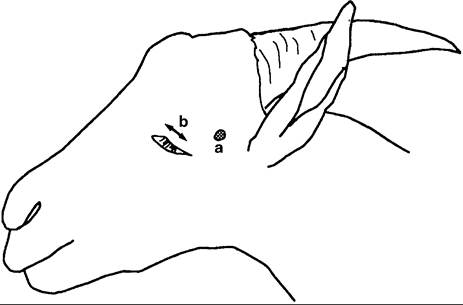
Figure 18.4 Injection sites for the cornual branches of the lacrimal (a) and infratrochlear (b) nerves.
2% lidocaine with 0.2 mL of 8.4% sodium bicarbonate and then add sterile water to a final volume of 3 mL. This permits the injection with a 25-gauge needle of 0.75 mL over each of the four nerves of a young kid weighing approximately 3 kg. A larger volume and 1% solution of lidocaine, also buffered, can be used in older, larger kids with little fear of toxicity. Others prefer to use up to 2 mg/kg of 0.5% bupivacaine with 1 pg/mL dexmedetomidine added, for a duration of 6-12 hours for the block.
In countries where lidocaine is not permitted and procaine must be used, onset of anesthesia may take 20 minutes (Van den Brom et al. 2020). Some authors claim that the local blocks are not effective (Alvarez et al. 2015), but the description of their technique is incomplete, suggesting that injections may have been improperly placed, and the lidocaine was not buffered. In another study where kids were not sedated and lidocaine was not buffered, the process of administering ring blocks appeared to cause as much pain and cortisol increase to young kids as the disbudding itself (Hempstead et al. 2020).
Dehorning Older Kids
By the time a kid is a few weeks old, a distinct nubbin of horn already extends above the surface of the skull. This horn prevents most dehorner tips from reaching the skin. Heat cautery can still be successful, but first the tip of the horn bud must be removed with a pen knife, hoof trimmer, or shears. A small Barnes calf dehorner can also be used for this purpose as long as it is opened just far enough to remove the protruding bud; a wide enough cut to remove all the skin from which horn might grow could easily go deep enough to expose the goat's brain. Next, the cautery tip is applied to the edges of the wound to achieve a fullthickness burn. The tip is slid around to cover a larger area, with particular attention paid to destroying skin over the anterior ridge of the horn.
As the kid grows older, the horn enlarges and both bone and frontal sinus develop within the horn. By the time the kid is 6 or 8 weeks old, it is often simplest to treat it as a small-scale adult and dehorn with scalpel and obstetric wire or saw.
Dehorning Adults
When facilities are available, general anesthesia makes dehorning of the adult goat more pleasant for the surgeon. However, under field conditions when no one but the owner is available through recovery from anesthesia, sedation with xylazine or diazepam combined with local nerve blocks is an acceptable alternative. Additional protocols for field sedation have been reviewed by Seddighi and Doherty (2016). Depending on the size of the goat, 2-3 mL of 1 or 2% lidocaine is injected for each nerve block, as described under disbudding. There is no anesthesia to the mucous membrane and periosteum lining the horn, however, and supplemental sedation is advisable with older goats (Skarda 1987). The author (MCS) finds a dose of 0.06 mg/ kg xylazine IV suitable. Larger doses of xylazine (up to 0.1 mg/kg) have been recommended by others (Bowen 1977; Hague and Hooper 1997), but the associated risks are greater. Recovery is delayed, and supplemental heat may be necessary to avoid hypothermia in cold barns in the winter unless the xylazine is reversed.
Hair is then clipped widely from around and between the horns, using a razor blade between the horns if necessary. It is helpful to outline the desired skin incisions with an indelible felt-tipped marker before scrubbing and disinfecting the skin. This ensures that the two incisions made will have the same proportions. With the exception of a narrow strip of skin that should be left intact between the horns to speed healing, at least 1 cm of skin should be removed all the way around (Bowen 1977; Turner and McIlwraith 1982). Even more skin must be removed rostrally; the entire base of the ridge that rises to the rostral-medial corner of the horn should be included.
A scalpel blade is used to cut quickly full thickness through the skin all the way around the horn and to undermine the caudal flap of skin. The person sawing is positioned in front of the goat. An assistant now holds head and horn firmly while obstetric wire is slipped around the horn and seated in the incision on each side of the horn and under the flap (Figure 18.5). If the horn is not held back during sawing, the frontal bone may splinter. If sedation is not deep enough or too much time has elapsed since xylazine administration, the goat may vocalize or try to rise as the wire passes through the center of the horn. A
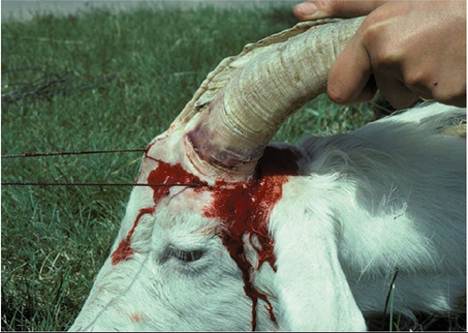
Figure 18.5 Use of a wire saw to remove the horns of an adult doe. Source: Courtesy of Dr. M.C. Smith.
flat-backed dehorning or miter saw can be used in place of obstetric wire to remove the horn (Baker 1981). When the first horn is off, the major artery (superficial temporal) situated laterally should be pulled, ligated, or cauterized (Linzell 1964; Turner and McIlwraith 1982). Cotton or gauze is then placed over the wound while the second horn is removed. Then electrocautery or an electric dehorner can be used to cauterize smaller bleeders if necessary. Blood clots should be carefully removed from the sinuses and an antibiotic or disinfectant powder or spray applied.
An owner who watches the dehorning of an adult goat for the first time is impressed by the quantity of blood shed and the size of the holes left in skin and skull by the surgery. This is an excellent time to mention how much less stressful disbudding is than dehorning. If the owner does not observe and great efforts are made to clean up the goat and bandage its head, the owner may be left with the false impression that dehorning is normally postponed until goats mature.
Cosmetic dehorning of adult goats reduces the risks of sinusitis and myiasis, especially in warm climates (Mobini 1991). The technique is most applicable to animals with a small horn base. The skin is incised 1 cm from the base of the horn. Skin is then undermined and pulled away from the horn to permit slightly deeper placement of the obstetric wire and facilitate subsequent skin closure. After the horn has been removed, hemorrhage is controlled and the surgical site is flushed to remove bone dust and blood clots. An antibiotic powder is dusted into the frontal sinus. Skin closure is achieved with horizontal mattress tension sutures placed well back and simple interrupted sutures at the wound edges, using non-absorable suture material. General anesthesia, postoperative penicillin for 5-7 days, and bandaging for 10-14 days until the sutures are removed are all advised. More prolonged analgesia can be provided by giving a dose of morphine at 0.1 mg/kg IV and using a long-term local block with bupivacaine 0.5%, potentiated by the addition of dexmedetomidine at 1 μg∕mL. It may not be possible to close the incisions in goats that had very large horns.
Another description of cosmetic dehorning under tran- quilization and local anesthesia (Hague and Hooper 1997; Hartnack et al. 2018) suggests leaving a rim of only 1-2 mm of skin attached to the horn and extending the skin incision 5-10 mm at the craniomedial and caudolateral aspects to facilitate undermining of the skin. After removing the horn with a wire saw, the frontal bone is contoured to a smooth shape using rongeurs to allow skin closure with minimal tension and a Ford interlocking pattern. Postsurgical complications, including scurs despite minimal skin removal, are few and usually minor (Hartnack et al. 2018).
Elastrator bands are not recommended for dehorning goats. It is difficult to keep the band in position on skin; if it slips upward, the tip of the horn falls off but growth continues at the base. Six to eight weeks are required for a mature doe's horns to fall off; pain may be intense during much of this time. Also, the risk of tetanus is increased in unvaccinated animals.
Some owners request removal of only the horn tips, to avoid the pain and prolonged healing time associated with complete dehorning. Other reasons for partial horn removal are to prevent misdirected horns or scurs from penetrating the skin, or to make meat goats eligible for showing. A radiograph identifies the extent of the horn sinus and bony cornual process. Vascularized corium extends slightly farther into the horn than the bone, and the horn should be transected distal to the corium. If there is no radiograph to guide the surgery, make an initial transection at a location where the horn feels cool to the touch, meaning that large blood vessels are not present. If an even shorter horn is desired, small sections are sawed off, working in from the tip, until a satisfactory length is obtained or a few drops of blood are observed. Xylazine tranquilization simplifies the procedure.
Postoperative Care
Animals should be kept warm until they recover from anesthesia (Van den Brom et al. 2020). Antibiotic therapy is normally not necessary in older goats, but should be instituted if the goat develops anorexia or fever. Routine use of a broad-spectrum antibiotic such as long-acting oxytetracycline has been advocated to prevent bacterial invasion of the brain through damaged bone after disbudding by heat cautery (Thompson et al. 2005) and is used by the author (MCS).
Analgesia
An analgesic such as flunixin meglumine or meloxicam (see Chapter 17) is appropriate, especially if surgical dehorning rather than heat cautery was performed. Specifically for pain relief after hot iron disbudding, 0.5 mg∕ kg meloxicam given IM once a day was found to decrease signs of pain relative to control kids (average age 18 days) on the first day only and that inconsistently (Ingvast- Larsson et al. 2010). Early evaluation was not possible in this study because of prolonged recovery time after general anesthesia. In another study of younger kids after hot iron cautery or sham disbudding, there was an increase in the frequency of head shaking, head scratching, and head rubbing after disbudding without analgesia that was interpreted as evidence of pain (Hempstead et al. 2017). These behaviors should be monitored in future trials when attempting to determine optimal protocols for analgesia. On large commercial farms with many kids to disbud each day, provision of sedation and local nerve blocks will be impractical; thus administration of oral meloxicam (1-2 mg/kg) before disbudding may be the most that can be done for the welfare of these kids.
Bandaging
Whether the older goat's head should be bandaged depends on many factors. If the animal is to be transported home in a compact car, a bandage is certainly in order. One is likewise needed if bleeding cannot be controlled by pulling arteries and applying cautery. If the goat will be fed from an overhead hay rack, the bandage will keep hay out of the sinuses. On the debit side, any bandage that extends under the jaws is apt to make eating and rumination painful. Sinusitis may develop unnoticed under the bandage, and a dry scab cannot form until the wounds are left exposed to the air. Many dehorning wounds heal well without any bandage. In Greece, beeswax is used to cover the opening to the sinus when an adult goat is dehorned (G. Christodoulopoulos, personal communication). A disposable surgical mask or dust mask can be tied over the head for temporary partial protection.
If the decision is made to bandage, many options are available. One possibility is to hold the wound dressing in place with a length of orthopedic stockinette (Bowen 1977); eye holes are cut after the two ends of the stockinette are taped around the goat's head and neck. Also easy to apply is a 2 or 3 in. wide elastic bandage (Elastikon®, Johnson & Johnson, New Brunswick, NJ, USA) over a non-adhesive dressing; the first turn of tape around the head extends onto the skin rostral to the dehorning wounds and the second turn comes up behind one ear, then extends forward to the forehead between the eyes. Notches are cut in the tape to uncover the eyes and permit free movement of the eyelids. After one or two days, the “chin strap” (portion of the bandage below the level of the eye and ear) should be removed to lessen the tug on the wounds during chewing. The remainder of the bandage can be removed after one week (Figure 18.6). Continued use of a fly repellant is appropriate in warm seasons. Final healing of the wound typically occurs in six to eight weeks, though even more time is required for large bucks. Sometimes when mature bucks are dehorned, the large holes that are created never close (Williams 1990).
Tetanus Prophylaxis
The practitioner should never dehorn a goat whose tetanus vaccination status is unknown without administering tetanus antitoxin: 250-300 IU to a kid and 500 IU to an adult. Death from tetanus can occur before antibodies are
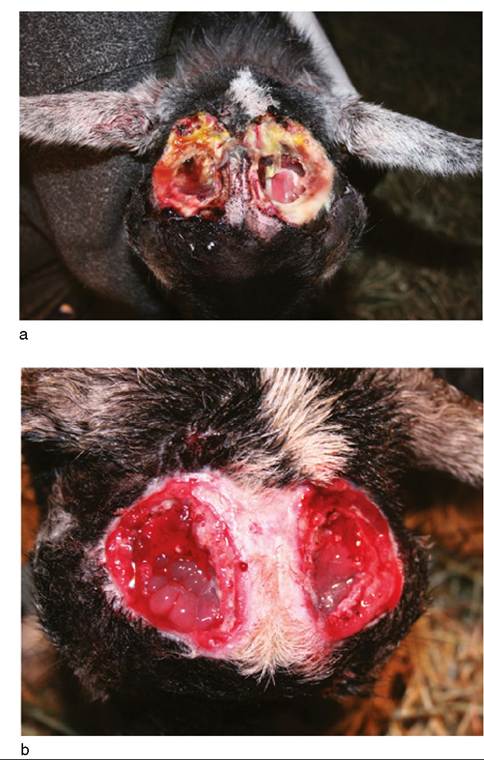
Figure 18.6 (a) Dehorning wound at time of bandage removal 6 days after surgery. (b) The same goat 19 days after surgery. The head has been left uncovered. Note the smaller wounds and healthy wound edges. Source: Courtesy of Dr. M.C. Smith.
produced in response to an initial vaccination. Tetanus toxoid and antitoxin can be given simultaneously, as long as different syringes and different injection sites are used.
If the goat is known to have been vaccinated with toxoid (not antitoxin - many owners do not understand the distinction), then a booster dose should suffice. It is good policy to administer (and record in writing) a dose of tetanus toxoid or tetanus-enterotoxemia vaccine at the time an appointment is made for future dehorning of an adult. This permits giving the second dose in the series at the time of surgery or, better yet, a few days before. When the vaccination is a booster, maximum protection from a rise in titer is achieved for surgery.
Young kids normally receive adequate protection if the dam received a tetanus booster late in pregnancy and large amounts of colostrum were consumed. In diseaseeradication schemes that replace caprine with bovine colostrum, this protection is lacking unless a point is made of repeatedly vaccinating the donor cows. (If this is done, both tetanus and enterotoxemia vaccine should be given to the cows.) When the owner performs both vaccination of does and disbudding of kids, full dependence is generally placed on colostral protection. The practitioner who offers the service of disbudding kids might well prefer to administer tetanus antitoxin routinely, rather than have to worry about the consequences of occasional failure of transfer of passive immunity.
Problems Associated with Dehorning
Tetanus is not the only disaster than can result from dehorning. Except in the very young kid, the procedure is accompanied by much stress to the goat. Selecting the time for optional dehorning of adults requires careful balancing of the relative dangers of dehorning at different times. Times to be avoided if possible include lactation (because of a likely drop in milk production) and late pregnancy (risk of pregnancy toxemia) (Bowen 1977). Winter is preferable to summer, assuming that the local winters are cold enough to inhibit flies (Wright et al. 1983). In general, however, it is better to dehorn a 2-month-old goat in the summer than to wait six months for winter, because wound size and stress on the goat increase as the animal grows.
Thermal Meningitis
Prolonged application of a hot iron to a young kid's horn buds can damage the underlying bone, meninges, or brain (Linzell 1964; Wright et al. 1983; Sanford 1989; Thompson et al. 2005; Van den Brom et al. 2020). The frontal bone is thin and the frontal sinus is not yet developed at the time ideal for disbudding. Coagulative necrosis of meningeal vessels can result in thrombosis and infarction of the underlying cerebrum (Thompson et al. 2005). Problems are most apt to occur when a dehorner is not hot enough to rapidly sear the skin (Williams 1985). The longer the iron must be applied, the more heat will penetrate to deeper layers. Allowing the head to cool before finishing the disbudding is advisable if the dehorner is not very hot. Goat kids that appear unresponsive or are unable to nurse at one or two days after disbudding may have reversible damage or may be able to relearn with undamaged portions of the brain. Owners should be instructed to keep these kids warm and tube-feed them if necessary. Antibiotics (in case the bone is necrotic) and anti-inflammatory agents should also be administered.
Brain Abscesses
Heat cautery or paste dehorning may destroy bone overlying the brain, thereby permitting entrance of bacteria
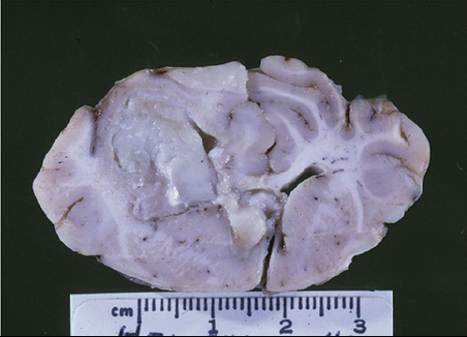
Figure 18.7 Brain abscess subsequent to bone damage by use of disbudding paste. Source: Courtesy of Dr. M.C. Smith.
(Figure 18.7). Too low a saw cut on a mature goat can also penetrate to the brain. The animal that develops neurologic signs referable to the cerebral hemispheres several weeks after dehorning may have a brain abscess, as discussed in Chapter 5. The prognosis is grave.
Sinusitis
Even when great care is taken to prepare the skin for surgery, infection of an opened sinus may occur. This infec - tion may ascend from the nasal passages or result from foreign matter falling into the wounds. Nasal discharge, head shaking or rubbing, or an abnormal odor suggest sinusitis in the bandaged goat or in one whose sinus has already scabbed over (Turner and McIlwraith 1982). Pus in the sinus is more quickly noticed when the wounds are left unbandaged. Bandage, scabs, and any fragments of necrotic bone should be removed. The sinus should be rinsed with a mild disinfectant solution to remove all pus. Topical antibiotics (spray or mastitis infusion products) and regular cleaning usually control the infection. Depressed or febrile animals should also receive systemic antibiotics, such as penicillin, and non-steroidal antiinflammatory drugs.
Loss of Social Status
It is difficult to quantify the social stress experienced by the newly dehorned goat, but owners report radical upheavals and alterations in rank order in the herd as a consequence. This is especially true if a dominant individual is dehorned because it has been attacking and injuring others in the herd. When this goat has lost the means of enforcing its dominance over others, it may find itself in turn the victim of aggression. In some instances the herd behavior resembles revenge. The intense effects on the dehorned goat may cause it to stop eating and “give up.” In other circumstances, the dehorned goat is able to bite its way back to the top of the social order.
Ketosis
Decreased feed consumption, whether related to pain, infection, or loss of social status, is very dangerous to the doe in late pregnancy or early lactation. If ketosis develops, the resultant further decrease in food intake may be fatal. Does should be monitored closely in the first few days after surgery and given analgesics (meloxicam at 1 mg/kg orally once daily, flunixin meglumine at 1 mg/kg IV or orally once or twice a day as needed, all extralabel and with consideration for meat and milk withdrawals) if they appear to be severely depressed or in pain. Penning separate from (but within sight of) other goats and hand-feeding may encourage feed consumption. Ketosis is discussed in detail in Chapter 19.
Listeriosis
It is the author’s experience that occasional goats develop clinical signs of listeriosis (i.e., depression, facial nerve paralysis, ataxia, torticollis, etc.) a few days after surgery. Presumably a latent infection has been activated by stress. Early treatment with penicillin or oxytetracycline, before signs are unequivocal, is indicated.
Scurs
The regrowth of small, deformed horns or large but rather blunt horns is a common phenomenon if corium is incompletely removed (Figure 18.8). Practitioners or owners lacking experience with the disbudding procedure should expect their initial efforts to be accompanied occasionally by these esthetically displeasing scurs. This is especially
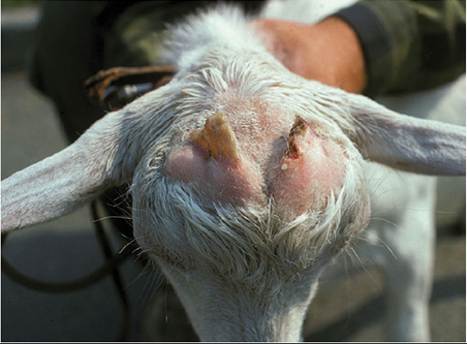
Figure 18.8 Scurs from incomplete disbudding of a buck kid.
Source: Courtesy of Dr. M.C. Smith.
true when dealing with bucks and intersex goats. For this reason, buck kids should generally be disbudded at an earlier age than doelings, and a wider ring of skin should be removed from around the horn base of adult bucks.
The author (MCS) always warns the owner at the time of surgery that scurs may occur. The first signs of regrowth are usually visible by the time the initial wound has healed. If the scur is in the form of a thin strip, like a piece of ribbon candy, the owner is instructed to keep it trimmed with hoof trimmers. Otherwise, the scur may grow around in a circle and press against the skull or the eye, requiring trimming with a (wire) saw as far back toward the head as the scur feels cool. If the scur has a broad base and is accompanied by outgrowth of bone, a second operation is performed; this, too, may be followed by scur formation. Poorly attached scurs are commonly dislodged during fighting and the skin may bleed profusely, but medical attention is rarely required. These scurs also regrow.
More on the topic Dehorning:
- Dehorning
- CHAPTER MENU
- Diseases of the Sinuses
- REFERENCES
- Contents
- Swellings Involving the Head
- Upper Respiratory Tract Diseases
- Environmental Insults
- Assessing the Welfare of the Individual Animal or the Herd
- Epidemiology of Undifferentiated Ruminant Respiratory Disease