ACCESSORY SEX GLANDS AND SEMEN
Secretions from the accessory sex glands discharge into the pelvic urethra in close proximity to where they originate. They vary in size and shape among species and can be absent in some.
The accessory sex glands are: 1) the ampulla of the ductus deferens, 2) the vesicular glands (or the seminal vesicles), 3) the prostate gland, and 4) the bulbourethral glands (or the Cowperglands).
The ampulla is the enlargement of the terminal part of the ductus deferens, and its secretion empties into the lumens of the ductus deferens. The ampulla is absent in the boar and dog. The vesicular glands (absent in the dog) are paired glands that empty into the pelvic urethra along with the ductus deferens. The prostate gland is present in all domestic animals. It is prominent in the dog, encircling the urethra. The paired bulbourethral glands (absent in dogs) are the most caudal of the accessory glands.
The ejaculating semen is a mixture of the accessory sex gland secretions, seminal plasma, sperm, and fluid of the epididymis. The seminal plasma provides an environment for the survival of sperm within the female reproductive tract. It is rich in electrolytes, fructose, ascorbic acid, and other vitamins. The greatest fertilization potential is
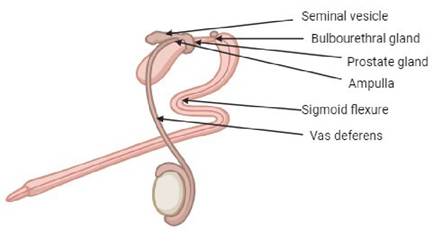
FIGURE 20.3 Illustrative diagram of accessory sex glands (Created with BioRender.com)
achieved with seminal plasma. Prostaglandins of seminal plasma help during fertilization by reacting with cervical mucus and making it more receptive to sperm and by smooth muscle contraction, so it is believed that reverse peristalsis is initiated in the uterus and oviducts to facilitate transport of sperm toward the ovaries (Figure 20.3).
20.4