BIOLOGICAL RHYTHMS
Biological rhythms in animals refer to recurring and predictable patterns of biological activities or behaviours that follow a specific time frame. These rhythms are inherent in various physiological processes, including sleep-wake cycles, hormonal secretion, feeding behaviours, body temperature, metabolism, reproduction, migration, and other essential functions.
Circadian rhythm represents a fundamental biological rhythm observed in domestic animals and refers to a roughly 24-hour cycle that regulates various physiological and behavioural processes. The animals active during the daytime have their minimum temperature in the early morning and maximum temperature in the late afternoon, while the reverse is found in animals that are active during the night. Biological rhythms can be influenced by internal factors such as internal body clocks or external cues like light-dark cycles, temperature changes,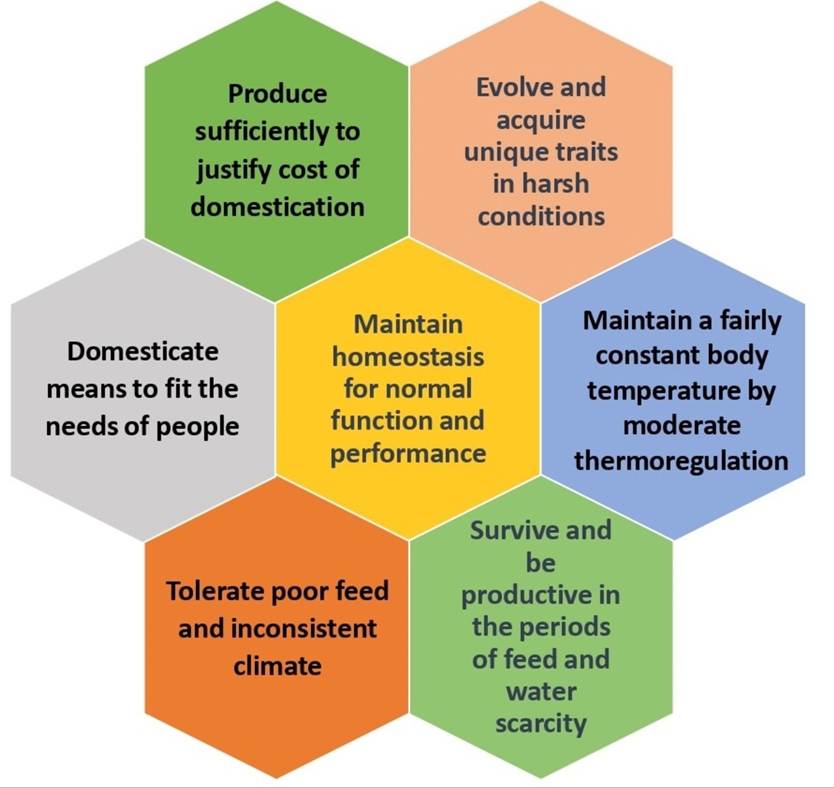
FIGURE 24.2 Implications of adaptation process in the process of selection.
or social interactions. In domestic animals, such as dogs, cats, cattle, horses, and others, the diurnal rhythms synchronise their activities with environmental changes and play a crucial role in governing their daily activities, feeding schedules, rest periods, and overall behaviour. In addition, changes in daylight duration play a significant role in regulating the breeding seasons of different animal species. Short-day breeders are animals whose reproductive activities are stimulated or influenced by shorter day lengths, often in response to decreasing daylight. Examples include sheep, goats, deer, and many small mammals like hamsters. On the other hand, long-day breeders are species whose reproductive activities are triggered or influenced by longer day lengths. Birds like chickens and turkeys, as well as some species of horses, fall into this category. In vertebrates, the pineal gland serves as a neuroendocrine organ that translates information about the duration of environmental light exposure into a biochemical messenger called melatonin. The magnitude and duration of the production of melatonin are dependent on the length of the dark phase of the photoperiodic cycle. The suprachiasmatic nucleus (SCN) receives signals regarding light and darkness through the retinohy- pothalamic pathway which regulates the secretion of melatonin by pineal cells (Aggarwal and Upadhyay 2013).
24.5