COMPLEX EYES
Complex eye types are found in more complex animals falling into the phylum Chordata. The image-forming mechanism employed includes structures for shadows, for refraction (lenses and corneas), and for reflection (mirrors) ( Treisman, 2004) (Figure 9.2 & Figure 9.3).
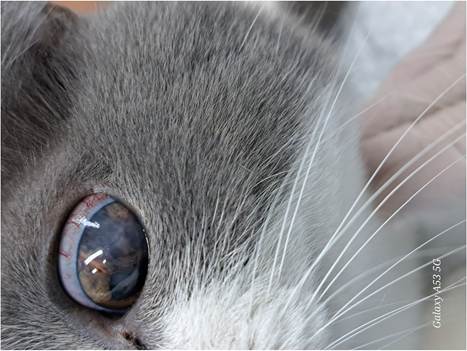
FIGURE 9.3 Structures for shadows, for refraction (corneas)
9.3.1 Photoreceptor Cell Types
The photoreceptors seen in both simple and complex eyes predominantly belong to either rhabdomeric or ciliary types, based on the mechanism used to maximize light sensitivity (Arendt, 2003). Rhabdomeric photoreceptors, found in the insect compound eye, fold the apical membrane into microvilli for the storage of photopigment. Ciliary photoreceptors, found in the vertebrate retina, fold the membrane of a modified cilium. These two photoreceptor types differ in at least four additional ways: (1) they employ distinct phototransduction cascades. Ciliary photoreceptors use cyclic GMP as a second messenger system, whereas rhabdomeric receptors employ inositol triphosphate (Morris et al., 2007). (2) The opsin photopigments and proteins involved in receptor function and response attenuation, while related, belong to distinct classes specific to each photoreceptor type. (3) The two receptors have opposite physiological responses to stimulation. Ciliary photoreceptors hyperpolarize in response to light, while rhabdomeric receptors depolarize. (4) Only ciliary photoreceptors express the Retinal homeo- box (Rx) transcription factor (Arendt et al., 2004).
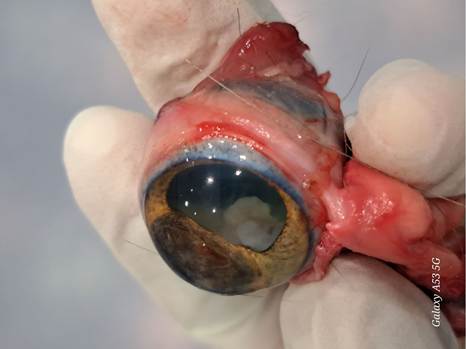
FIGURE 9.2 Structures for shadows, for refraction (lenses)
9.4