OLFACTION
The olfactory system is a complex sensory apparatus encompassing the olfactory bulb, olfactory tract, lateral olfactory gyrus, and piriform lobe, as illustrated in Figure 12.2. Olfaction, a vital special sense, plays a pivotal role in the localization of food, reflex-stimulated secretion of digestive enzymes, and the detection of potential dangers.
Key components of this system include olfactory cells, situated within the specialized olfactory epithelium on the ethmo-turbinate bones of the nasal cavity. Interestingly, the olfactory mucosa occupies a considerably larger area in dogs (100 cm2) compared to humans (about 5 cm2). These olfactory cells give rise to olfactory nerve fibers that terminate in the olfactory bulb. Olfaction, identified as the sensation of smell, is a result of detecting aerosolized odorous substances in the environment. As one of the special senses, humans rely on the olfactory system's various components, including the olfactory epithelium, olfactory nerves, olfactory bulb and tract, and multiple areas of the olfactory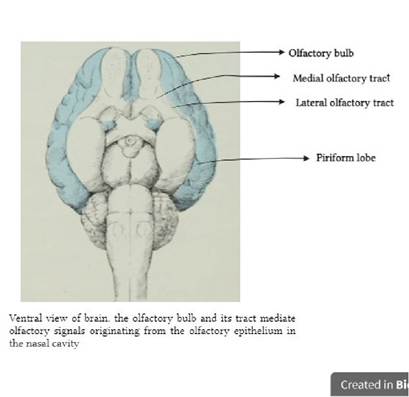
FIGURE 12.2 Ventral view of the brain. the olfactory bulb and its tract mediate olfactory signals originating from the olfactory epithelium in the nasal cavity.
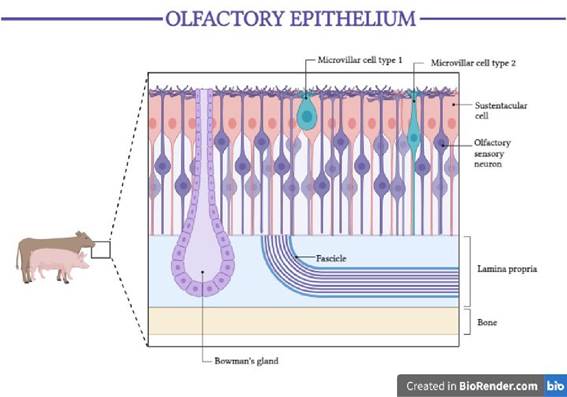
FIGURE 12.1 The olfactory region of the domestic animal and the cells associated with smell.
cortex. Notably, the olfactory nerve boasts a unique feature - direct connectivity to the cortex, bypassing the thalamus, a distinction from other special senses whose axons relay in the thalamus. Another intriguing aspect is the continuous replacement of olfactory nerves throughout life, facilitated by the differentiation of basal stem cells. This intricate system underlines the importance of olfaction in shaping our sensory experiences and interactions with the environment (Figure 12.2).
12.4