PRACTICE QUESTIONS
1. During experimental trials on a new artificial aortic valve, a dog is anesthetized and placed on cardiac bypass for 1 hour (i.e., a heart-lung machine is substituted for the dog’s own heart and lungs).
After successful installation of the artificial valve, the dog is taken off bypass, and lhe normal circulation is restored. Ten minutes later, the dog’s central venous pressure is 20 mm Hg, mean arterial pressure is 90 mm Hg, and heart rate is 130 beats/min. The cardiac output is not measured, but the surgeon suspects that it is too low and therefore the patient’s tissues are not being adequately supplied with blood. Which of the following measures would be best to improve the patient’s condition?a. Fransfusion with 500 mL of whole blood
b. Administration of isoproterenol (selective β-adrenergic agonist)
c. Increasing the heart rate by electrical pacing
d. Administration of norepinephrine (nonselective α∕β-adrenergic agonist)
e. Administration of a β-adrenergic antagonist, such as propranolol
2. One of the nerves leading to a dog’s heart is stimulated for 1 minute while left atrial pressure, heart rate, and left ventricular output are measured (Figure 26-10). During this stimulation:
a. Venous return to the left atrium transiently exceeds left ventricular output.
b. The increase in left ventricular output at the beginning of stimulation can be explained by Starling’s law of the heart.
c. Stroke volume is lower after 15 seconds of stimulation than before stimulation.
d. The effects of stimulation are the same as those caused by sympathetic activation.
e. Ihe progressive decline in left ventricular output during the stimulation is probably caused by a progressive increase in ventricular end diastolic volume.
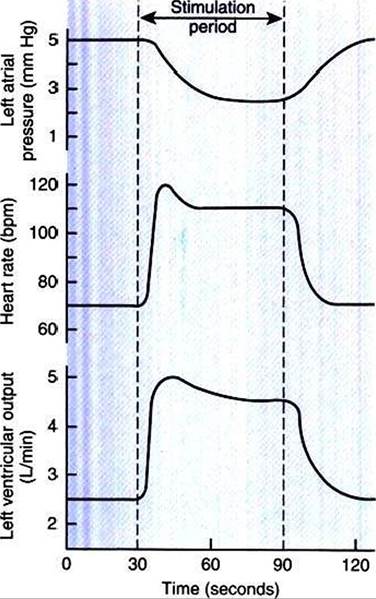
FIGURE 26-10 Cardiovascular data for Practice Question 2.
3. One hour after a severe hemorrhage, a dog’s arterial pulse pressure, mean pressure, and hematocrit are all below normal. Which of the following statements is frwe?
a. The diminished pulse pressure reflects decreased aortic compliance.
b. The diminished mean pressure probably results from decreased total peripheral resistance (TPR).
c. The diminished hematocrit probably results from reabsorption of interstitial fluid into the bloodstream.
d. Under these conditions, the action potential frequency of the arterial baroreceptors is greater than normal.
e. Under these conditions, sympathetic activity is probably less than normal.
4. When a sheep is held in a vertical, head-up position, arterial pressure decreases because:
a. The baroreceptor reflex causes an increase in TPR.
b. Valves in the leg veins promote the return of blood to the heart.
c. The respiratory pump promotes movement of abdominal venous blood into the thorax.
d. Central blood volume is increased.
e. Right atrial pressure is decreased.
5. During exercise in a normal animal:
a. TPR is decreased.
b. Cardiac output is increased.
c. Stroke volume is increased.
d. Blood pressure is nearly normal.
e. All the above are true.