Predisposing and virulence factors to yeast infections
There are several yeasts that are of interest to the veterinarian, which can cause superficial, subcutaneous, mucosal lesions, and even granulomatous and systemic processes, and, in most cases, suspicion about the fungal etiology of cases is neglected, hence advanced and severe cases of mycosis in dogs are not uncommon [13].
The transition from the yeast stage to commensal to pathogenic will depend both on factors related to the agent’s virulence, as well as on the host’s own susceptibility [14].
The factors that can predispose humans and animals to a yeast infection are innumerable, resulting from alterations in the defense mechanisms or by compromising the anatomical barriers of protection of the organism [15-17].
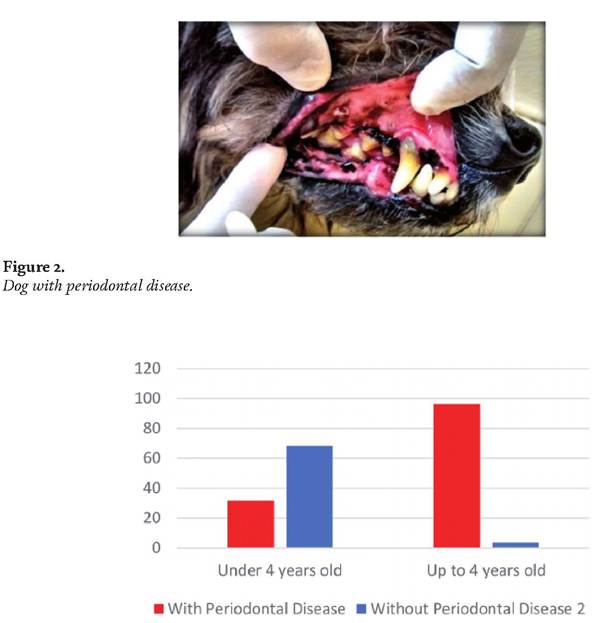
Among these factors we can mention: stress; use of broad-spectrum antibiotics or prolonged antibiotic therapy; antineoplastic agents; neutropenia; immunosuppression; age (senility/puppy); inadequate environment (overcrowding); long-term use of corticosteroids; nutritional deficiencies; diets with a high concentration of carbohydrates; pH changes, vitamin A deficiency, trichomoniasis; presence of autoimmune diseases; changes in anatomical barriers due to trauma (maceration); aplastic anemia; hematological infections; periodontal diseases (Figure 2) and other concomitant diseases [17, 18].
Prolonged antibiotic therapy and a high concentration of carbohydrates in the diet can lead to the destruction or inhibition of the competitive bacterial microbiota, disrupting its balance with the host organism, thus allowing the accentuated growth of yeasts [15].
Probably due to the poor oral hygiene of dogs throughout their life and associated with the other predisposing factors already mentioned, senility is considered a significant condition for predisposition to periodontal disease. Animals older than 4 years, according to a study with stray dogs, are more likely to develop this disease, ranging from mild gingivitis to severe periodontitis (Figure 3).
Virulence factors attributed to microorganisms must also be taken into account, such as production of hydrolytic enzymes, proteases and phospholipases, adhesion, formation of germ tube and biofilms. These factors favor the invasive power and interfere with the host’s metabolism. All these factors, from hosts and yeasts, can lead to superficial, or systemic, conditions. It is worth mentioning that the high concentration of viable cells of the microorganism in an ecological niche of the host is another factor that must be considered, as they may be part of the oral microbiota.
Importance of Yeasts in Oral Canine Mucosa
DOI: http://dx.doi.org/1o.5772/ITexLi.959o5
4.