SELECTION OF ANIMAL MODELS
The selection of models that best reflect the physiological and/or pathophysiological similarities between human and animal species is the most crucial criterion. A thorough assessment of the ability of specific medications, chemicals,
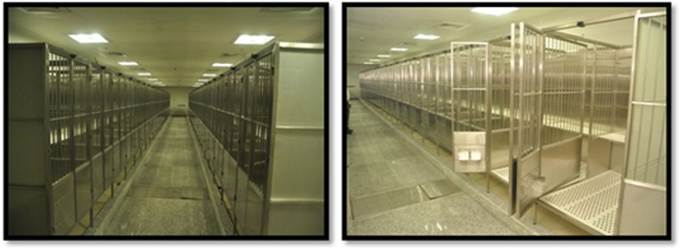
FIGURE 26.1 Frontier Mediville - Animal Facility is registered with CPCSEA (Registration number: 871/PO/ReRcBiBtS/ ReRcL/2005/CPCSEA).
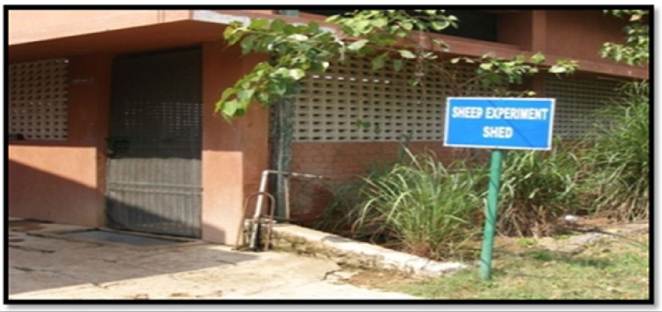
FIGURE 26.2 Large animal housing facιlιy - Entrance I.

FIGURE 26.3 Large animal housing facility Exit II.
or technology to replicate a disease or pathology at a level comparable to human beings. The size and availability of the animal species in question. Long lifespan of the studied animal species. Many sub-species are easier to find in a model with a larger animal population. Numerous animal species, including Xenopus (frogs), Danio rerio, or zebrafish (fish), Drosophila (insects), and Caenorhabditis elegans (nematodes), as well as mammals, including mice, rabbits, rats, cats, dogs, pigs, and monkeys, have gained global acceptance due to their evolutionary similarity to humans. Choosing an acceptable animal model is sometimes a timeconsuming task that is based on assumptions and the convenience of the study and researchers without regard for whether the model is appropriate or not. Irrational selection of an inadequate animal model for scientific investigations will result in inaccurate results as well as misallocation of resources and lives. Furthermore, it leads to erroneous, redundant, and inappropriate experiments. Recent advances in research have allowed scientists to create animal models that are highly specific to the study being conducted, which helps to reduce these issues. Through the use of retroviral vectors or direct injection of foreign DNA into the embryo, they created bespoke transgenic animal models. Researchers can examine how diseases affect the organism in a manner akin to that of humans by introducing human cells into the recipient animals. It is primarily dependent on the type of medication or medical device being studied when choosing animal models. Several animal models together may be able to represent a technique when one animal model is unable to adequately represent a human disease.
26.6