THERMOREGULATION
teeth and, like the myomorphs, their molars are rooted. The sciuromorphs have the lateral masseter extending cranially and the medial masseter muscle is only involved in closing the jaw (Hurst 1999).
The eyes are large as they areMany rodents are semi-fossorial, using underground burrows and nests to either protect them from snow or help them escape from the hot sun. This enables them to survive even in extreme climates.
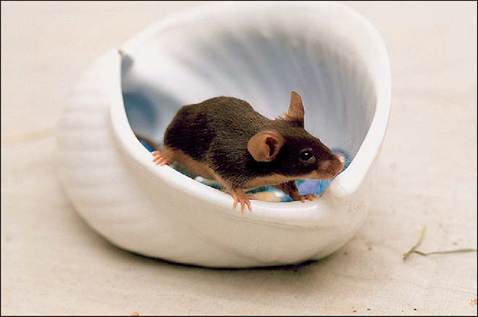
Figure 7.5 • Myomorph - Mouse (Mus musculus).
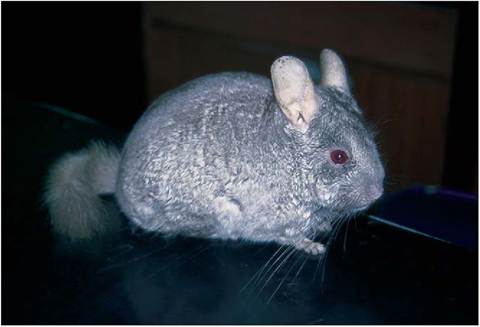
Figure 7.7 • Caviomorph - Chinchilla (Chinchilla laniger).
Adaptations to cold
Rodents cope with extreme cold by tunneling underground, nest building, and huddling together to conserve heat. Some species hibernate when the temperature drops but others can survive in the warm microclimate that exists between the ground and insulating layers of snow. Rodents also have elaborate adaptive mechanisms of high activity to produce heat, shivering of skeletal muscles and, most importantly, production of heat by layers of brown fat (non-shivering thermogenesis). Peripheral vasoconstriction of extremities like the tail and ears also helps divert heat to important parts of the body (Hart 1971).
Non-shivering thermogenesis
Brown fat produces heat in cold conditions because it has a rich blood supply and mitochondria capable of functioning even at very low temperatures. It is also unaffected by nutrition. This type of fat contains multiple droplets and appears brown due to its extensive capillary network (4 to 6 times that of white fat). It is under the control of the sympathetic nervous system via noradrenaline (Girardier 1983).
In rodents brown fat can be found above the scapulae, in the cervical region, and also along major vessels and nerves. It also contributes 5% of body weight in neonates.
In rodents it can persist for life, with those living in cold regions laying down more tissue; for example, rats adapted to cold climates develop 1.4% of the body mass as brown fat (Hart 1971; Girardier 1983).Brown fat is also essential for rodents that hibernate. Endothermy is very energy expensive so during winter, when food is scarce, some rodents switch this off by hibernating. At the end of the dormant period they are able to kick start their rapid metabolism via the sympathetic nervous system. Noradrenaline stimulates brown fat to heat the blood running through it, releasing energy to the brain and heart to get the body up and running again (Hart 1971; Girardier 1983).
Adaptations to heat
In hot deserts rodents build extensive underground burrows for shade, and many are nocturnal to escape the daytime heat. Many species have a marked ability to conserve water by concentrating their urine; some desert species are able to exist on metabolic water alone. Evaporation of saliva, which is groomed over the body, is also used to cool down. Like wading birds, rodents also have arteriovenous shunts with countercurrent heat exchanges in ears, tails, and feet to help them dissipate excess heat (Hart 1971).
Size
Their small size means rabbits and rodents have a high ratio of surface area to body weight and consequently a high metabolic rate and energy intake (Hurst 1999) (Fig. 7.3).
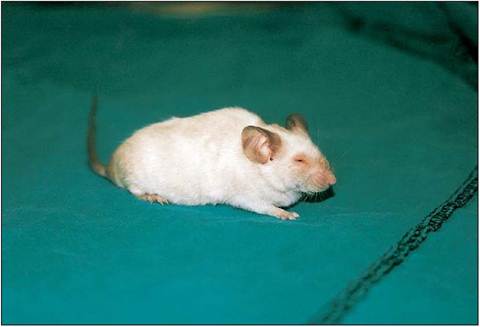
Figure 7.3 • Their high ratio of surface area to body mass means that rodents easily get dehydrated and hypothermic.
This means they are easily susceptible to dehydration and hypothermia. Their fast metabolism means they have high oxygen and energy demands, making them prone to hypoglycemia and hypoxia.