As with the nervous system, the basic functions of the endocrine system are communication and regulation.
The classic endocrine system (Figure 12-1) consists of a group of ductless glands that secrete hormones (chemical messengers that function in extremely small concentrations). The hormones circulate throughout the body to bring about physiologic responses.
However, this classic description does not account for other types of chemical messengers involved in other types of cell-to- cell communication and regulation. For example, normal endothelial cells of blood vessels release prostacyclin, a prostaglandin (discussed later) that acts locally to inhibit the adhesion of blood platelets. This action helps prevent platelets from forming inappropriate blood clots in normal vessels. When prostacyclin diffuses away from its site of production or is washed away by blood flow, it rapidly degrades, so it has no systemic effect. A local effect such as this is termed a paracrine effect. Many types of compounds, including proteins, small peptides, amines (derivatives of amino acids), derivatives of fatty acids, and even a gas (nitric oxide), have been found to function as paracrine agents.The objective of this chapter is to introduce the basic concepts of endocrinology, including the relationships between the nervous and endocrine systems. More details on specific hormones and paracrine agents, their regulation, and their actions will be given in later chapters on the specific systems that the agents affect.
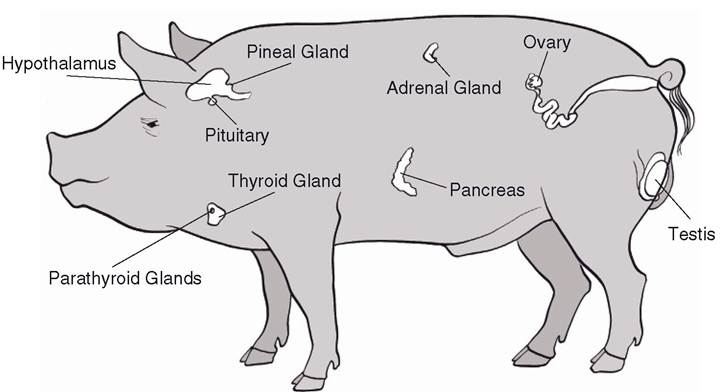
Figure 12-1. Approximate location of classic endocrine glands. Both ovary and testis are shown.
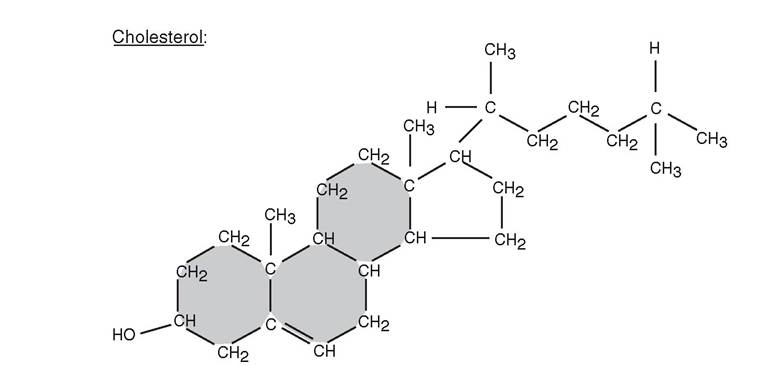
Figure 12-2. The structure of cholesterol.
More on the topic As with the nervous system, the basic functions of the endocrine system are communication and regulation.:
-
Veterinarian -