Bovine Vaccines and Herd Vaccination Programs
Victor S. Cortese
With the increasing size of today's cattle operations and the extensive movement of cattle, disease exposure continues to occur at a high rate. These exposures often put pressure on the efficacy of the vaccines used and may give field experience as to how well they can protect cattle.
The wide diversity in uses of cattle and management practices makes a single vaccination protocol impossible for all cattle production systems. Today it is even more important to scientifically choose a vaccine or design a vaccination program based on good information. When designing programs, several variables must be considered1:• The presence and degree of challenge of the particular diseases on the farm or ranch (Boxes 48.1 and 48.2)
• Management practices on the facility that support or hinder vaccination programs
• The times or ages when disease problems occur and whether the diseases are associated with any stressors
• The immune system components necessary to afford protection against various diseases
• Some basic immunologic concepts
• The information available on products being considered and the source and quality of the information
• Required vaccines for a particular use of the animal (e.g., 4-H shows)
Challenge
The level of disease challenge and degree of protection continually fluctuate. Biological variability makes the degree of
■ BOX 48.1
Bovine Vaccines Seldom Needed on Most U.S. Ranches and Farmsa
Anthrax vaccine
Clostridium septicum (malignant edema) bacterins Leptospira grippotyphosa bacterins
Leptospira icterohaemorrhagiae bacterins
Leptospira canicola bacterins
Clostridium botulinum toxoids
Clostridium novyi bacterins
Rabies vaccine
Tetanus toxoids
Erysipelas bacterins
Clostridium sordellii (malignant edema) bacterins
aThese vaccines are not cost-effective.
■ BOX 48.2
Bovine Vaccines for Ranch- and Farm-Specific (Soilborne) Diseases
Blackleg bacterins
Clostridium haemolyticum (redwater) bacterins
Anthrax vaccine
Clostridium novyi (infectious necrotic hepatitis) bacterins
protection different in every vaccinated animal. The same is true for the level of exposure to a pathogen. Overwhelming challenge can override immunity and lead to disease even in well-vaccinated animals.2
Timing of Disease
On many farms, certain diseases occur at consistent times. Timing may give some insight into stresses that occur in the management of the cattle. Correcting these stresses can have a positive impact on vaccination and lessen animals' susceptibility to disease. This type of history is also helpful in determining the timing of vaccinations, a concept that is often underused in veterinary medicine. Knowing when a problem historically has occurred allows vaccinations to be scheduled when they will induce maximum immune responses in preparation for expected challenges.
Assessing Vaccine Efficacy
The efficacy of a vaccine can be extremely difficult for the practitioner to assess. Traditionally, serologic data showing prevaccination and postvaccination titers have been equated with protection. For many diseases, however, the correlation is poor between the antibody measured and the protection generated by the vaccine in the animal.3 Recently a study comparing BVDV protection showed an inverse relationship between antibody levels and the ability of the vaccines to prevent development of persistently infected calves.4 Cell-mediated immune function tests have been added to show a more complete stimulation of the immune response after vaccination.5 Although these tests provide more information about the vaccine, they still do not answer the basic question of how well a vaccine truly protects. This question can be answered only by well-designed challenge studies.
Many examples of well-designed studies involve both viral6,7 and bacterial8,9 agents. To assess a challenge study, the following information is necessary:1. Trial design, including animal characteristics
2. Statistical analysis of the results
■ BOX 48.3
■ BOX 48.4
Vaccines Recommended for Use in Adult
Beef Cows
Vaccines Highly Recommended for All Herds
Infectious bovine rhinotracheitis (IBR) vaccines
Bovine virus diarrhea (BVD) vaccines Leptospira borgpetersenii var. hardjo
Leptospira pomona bacterins
Campylobacteriosis bacterinsa
Vaccines That May Be Useful or Necessary in Specific Herds or Geographic Locations
Tritrichomonas foetus vaccine
Anaplasmosis vaccine (inactivated) Rotavirus-coronavirus (calf scours) vaccine (inactivated) Fusobacterium necrophorum (foot rot) bacterin
Escherichia coli bacterins
Clostridium haemolyticum (Clostridium novyi type D [redwater]) bacterins
Clostridium perfringens type C (enterotoxemia) toxoids Anthrax vaccine
Clostridium novyi bacterins
aHighly recommended except in herds from which this disease can be reliably excluded (by virtue of the closed status of the herd and by isolation from other potentially infected herds by distance, terrain, and/or “bull-proof’ perimeter fencing).
3. Determination of whether statistical differences are biologically important
4. Route of administration of the challenge
5. Characteristics of the challenge organism
6. Consistency of the challenge model with the desired protection sought (e.g., respiratory vs. reproductive protection)
7. Method of clinical score assignment
8. Level of disease seen in the control unvaccinated cattle
9. Publication of the results in a peer-reviewed article
Unfortunately, the challenge model is not well established for many diseases. Field trials are even harder to assess but are valuable for judging the effectiveness (i.e., efficacy in a particular situation) and efficiency (i.e., cost-effectiveness) of a vaccine (Boxes 48.3 to 48.12; also see Boxes 48.1 and 48.2).
Several good references on field trial analysis are available.11,12 Recently the Center for Veterinary Biologics (CVB) began giving vaccines different labels depending on the strength of the efficacy data submitted to them in the licensing trials.Cattle Vaccines
Vaccines Recommended for Use in Adult
Beef Bulls
Vaccines Highly Recommended for All Herds
Infectious bovine rhinotracheitis (IBR) vaccines
Bovine virus diarrhea (BVD) vaccines Leptospira borgpetersenii serovar hardjo Campylobacteriosis bacterinsa
Vaccines That May Be Useful or Necessary in Specific Herds or Geographic Locations
Tritrichomonas foetus vaccine
Anaplasmosis vaccine (inactivated)
Leptospira pomona bacterins
Fusobacterium necrophorum (foot rot) bacterin
Clostridium haemolyticum (Clostridium novyi type D [redwater]) bacterins
Anthrax vaccine
Clostridium novyi bacterins
aHighly recommended except in herds from which this disease can be reliably excluded (by virtue of the closed status of the herd and by isolation from other potentially infected herds by distance, terrain, and/or “bull-proof’ perimeter fencing).
■ BOX 48.5
Vaccines Recommended for Use in Beef Calvesa
Highly Recommended Vaccines
Infectious bovine rhinotracheitis (IBR) vaccines Bovine virus diarrhea (BVD) vaccines
Bovine respiratory syncytial virus (BRSV) vaccines Parainfluenza type 3 (PI-3) vaccines
Leptospira borgpetersenii serovar hardjo Leptospira pomona bacterins
Brucellosis vaccineb
Vaccines That May Be Useful or Necessary in Specific Herds or Geographic Locations
Blackleg bacterins
Moraxella bovis (pinkeye) bacterins Histophilus somni (formerly Haemophilus somnus) bacterins Anaplasmosis vaccinec (modified live)
Clostridium haemolyticum (Clostridium novyi type D [redwater]) bacterins
Anthrax vaccine
Fusobacterium necrophorum (foot rot) bacterin
Clostridium novyi bacterins
Mannheimia haemolytica vaccines (new)
aUnder 12 months of age.
bHeifer replacements only.cHeifer and bull replacements only.
susceptible to infection. Abortions may be due to infection of the placenta, inflammation of the ovary, death of the fetus, or disruption of the cervical plug. It is therefore difficult to achieve protection against reproductive diseases. Vaccination must minimize the amount or duration (or both) of the viremia or septicemia, or it must prevent the pathogen from moving through the cervix or crossing the placenta. Only a few currently licensed vaccines have proved protective against the reproductive forms of various diseases, and the duration of immunity they afford has not been established.
Each manufacturer’s development and production of cattle vaccines is different, so the composition of vaccines varies
■ BOX 48.6
■ BOX 48.8
Vaccines Recommended for Use in Stocker Cattle
Highly Recommended Vaccines
Infectious bovine rhinotracheitis (IBR) vaccines Bovine virus diarrhea (BVD) vaccines
Bovine respiratory syncytial virus (BRSV) vaccines Parainfluenza type 3 (PI-3) vaccines Mannheimia haemolytica vaccines (new) Leptospira pomona bacterins
Vaccines That May Be Useful or Necessary in Specific Herds or Geographic Locations
Blackleg bacterins
Histophilus somni (formerly Haemophilus somnus) bacterins Moraxella bovis (pinkeye) bacterins
Clostridium haemolyticum (Clostridium novyi type D [redwater]) bacterins
Anthrax vaccine Fusobacterium necrophorum (foot rot) bacterin Clostridium novyi bacterins
Vaccines Recommended for Routine Administration to Cattle Entering Feedlots
Essential Vaccines
Infectious bovine rhinotracheitis (IBR) vaccine (modified live) Bovine virus diarrhea (BVD) vaccine (modified live)
Bovine respiratory syncytial virus (BRSV)
Highly Recommended Vaccines
Mannheimia haemolytica vaccinea Leptospira pomona bacterins
Vaccine That May Be Needed in Some Groups of Cattle in Feedlot
Clostridium haemolyticum (redwater) bacterins
Vaccines Necessary Only in Specific "Problem" Feedlots
Blackleg bacterins
Bovine respiratory syncytial virus (BRSV) vaccines Fusobacterium necrophorum (foot rot) bacterin
aSome commercial modified live cytopathic virus BVD vaccines trigger severe fatal BVD in cattle that are chronically infected with noncytopathic strains of BVD virus and immunologically tolerant as a result of prenatal infection.
■ BOX 48.7
Vaccines Recommended for Use in Beef Replacement Heifers
Vaccines Highly Recommended for Use in All Herds
Infectious bovine rhinotracheitis (IBR) vaccines
Bovine virus diarrhea (BVD) vaccines Leptospira borgpetersenii serovar hardjo
Leptospira pomona bacterins Campylobacteriosis bacterinsa
Vaccines That May Be Useful or Necessary in Specific Herds or Geographic Locations
Blackleg bacterins
Tritrichomonas foetus vaccine Anaplasmosis vaccine (modified live) Rotavirus-coronavirus vaccine (inactivated)
Escherichia coli bacterins
Fusobacterium necrophorum (foot rot) bacterin Moraxella bovis (pinkeye) bacterins
Histophilus somni (formerly Haemophilus somnus) bacterins Clostridium haemolyticum (Clostridium novyi type D [redwater]) bacterins
Clostridium perfringens type C toxoids
Anthrax vaccine
Clostridium novyi bacterins
aHighly recommended except in herds from which this disease can be reliably excluded (by virtue of the closed status of the herd and by isolation from other potentially infected herds by distance, terrain, or “bull-proof’ perimeter fencing).
■ BOX 48.9
Vaccines Recommended for Use in Adult Dairy Cows
Vaccines Highly Recommended for Use in All Dairy Herds
Infectious bovine rhinotracheitis (IBR) vaccines
Bovine virus diarrhea (BVD) vaccines
Bovine respiratory syncytial virus (BRSV)
Leptospira borgpetersenii serovar hardjo
Leptospira pomona bacterins
Vaccine Highly Recommended for Cows in Specific Infected Herds
Core endotoxin vaccines
Vaccines Highly Recommended for Dairy Cows Grazing in Specific Endemic Areas
Clostridium haemolyticum bacterins
Anthrax vaccine
Clostridium novyi bacterins
Vaccines That May Be Useful in Controlling Specific Disease Problems in Individual Dairy Herds
Escherichia coli (calf scours) bacterins Rotavirus-coronavirus (calf scours) vaccine (inactivated) Fusobacterium necrophorum (foot rot) bacterin Clostridium septicum (malignant edema) bacterins Clostridium sordellii (malignant edema) bacterins
substantially among manufacturers. Outlines of production are proprietary for each manufacturer, but some information can be found in technical and marketing materials. For example, some viral vaccines are grown on bovine-derived kidney cell lines and others are grown on porcine-derived kidney cells. Some vaccines are grown only on calf serum, whereas others are grown on both calf and fetal calf serum. Variability is seen in the strain or strains chosen for the vaccine, number of growth cycle passages chosen for attenuation, growth medium, and number of viral or bacterial particles in the vaccine.
Three types of vaccines represent the basic technologies currently available in cattle viral and bacterial vaccines2,13-17:
1. Modified live (attenuated) vaccines contain living bacterial or
viral organisms. These organisms usually are collected from a field disease case and then grown in abnormal host cells
■ BOX 48.10
■ BOX 48.12
Vaccines Recommended for Use in
Adult Dairy Bulls
Vaccines Highly Recommended for Bulls in All Commercial Dairy Herds
Infectious bovine rhinotracheitis (IBR) vaccines
Bovine virus diarrhea (BVD) vaccines Leptospira borgpetersenii serovar hardjo Campylobacteriosis bacterinsa
Vaccines Highly Recommended for Bulls Grazing in Specific Endemic Areas
Anaplasmosis vaccine (inactivated)
Clostridium haemolyticum (Clostridium novyi type D, redwater) bacterins
Anthrax vaccine
Clostridium novyi bacterins
Vaccines That May Be Useful in Specific Herds or Geographic Locations
Leptospira pomona bacterins
Fusobacterium necrophorum (foot rot) bacterin
aHighly recommended except in herds from which this disease can be reliably excluded (by virtue of the closed status of the herd and by isolation from other potentially infected herds by distance, terrain, or “bull-proof’ perimeter fencing).
■ BOX 48.11
Vaccines Recommended for Use in Dairy Calvesa
Vaccines Highly Recommended for Calves in All Dairy Herds
Infectious bovine rhinotracheitis (IBR) vaccines
Bovine virus diarrhea (BVD) vaccines
Bovine respiratory syncytial virus (BRSV) vaccines Parainfluenza type 3 (PI-3) vaccines Leptospira borgpetersenii serovar hardjo Leptospira pomona bacterins
Brucellosis vaccine
Vaccines Highly Recommended for Calves Grazing in Specific Endemic Areas
Blackleg bacterins
Clostridium haemolyticum bacterins Anthrax vaccine
Clostridium novyi bacterins
Vaccine Highly Recommended for Calves in Herds With Adult Cows Grazing in Specific Endemic Areas
Anaplasmosis vaccine (modified live)
Vaccines That May Be Useful in Controlling Specific Disease Problems in Individual Dairy Herds
Mannheimia haemolytica vaccines (new) Histophilus somni (formerly Haemophilus somnus) bacterins Moraxella bovis (pinkeye) bacterins
Fusobacterium necrophorum (foot rot) bacterin
aUp to 12 months of age.
(viruses) or media (bacteria) to change or attenuate the pathogen. Each completed replication cycle is known as a passage, and the changed pathogen is then administered back to the animal to determine if it is still virulent. After several passages the pathogen begins to lose virulence factors Vaccines Recommended for Use in Yearling Replacement Dairy Heifers
Vaccines Highly Recommended for Use in Heifers in All Dairy Herds
Infectious bovine rhinotracheitis (IBR) vaccines
Bovine virus diarrhea (BVD) vaccines
Bovine respiratory syncytial virus (BRSV) vaccines Leptospira borgpetersenii serovar hardjo Leptospira pomona bacterins
Vaccines Highly Recommended for Dairy Heifers Grazing in Specific Endemic Areas
Blackleg bacterins
Anaplasmosis vaccine (Anavaca or Anaplaz)
Clostridium haemolyticum (Clostridium novyi type D [redwater]) bacterins
Anthrax vaccine
Clostridium novyi bacterins
Vaccines That May Be Useful for Controlling Specific Disease Problems in Individual Groups of Dairy Heifers
Fusobacterium necrophorum (foot rot) bacterin Moraxella bovis (pinkeye) bacterins
Vaccines Administered to Springing Heifers That May Be Useful for Controlling Specific Disease Problems in Specific Dairy Herds
Gram-negative core antigen (coliform mastitis) vaccines Escherichia coli (calf scours) bacterins
Rotavirus-coronavirus (calf scours) vaccine (inactivated) Clostridium septicum (malignant edema) bacterins Clostridium sordellii (malignant edema) bacterins
aAnavac (BioLOGIC Laboratories, Davis, Calif. 95616) is the preferred vaccine for use in dairy herds where adult cows are grazing in an endemic area.
because it cannot cause “disease” in the unnatural host cells. Once the pathogen can no longer cause “disease” in the target species, it is tested to see if it can confer protection. The final vaccine is usually passed a number of times beyond the passage where virulence disappears in order to reduce the risk of reversion to a virulent pathogen. These vaccines require good quality control to reduce the risk of a contaminant entering the vaccine.
2. Inactivated (killed) vaccines are easier to develop because virulence after growth is not a problem. The same pathogen is isolated from a disease outbreak. The pathogen is grown and then chemically or physically killed. The inactivation is usually achieved by either adding a chemical to the pathogen or using ultraviolet rays. The major concern with inactivation is the potential loss of important epitopes. An adjuvant is normally added to inactivated vaccines to heighten the immune response. The vaccine is then tested for efficacy.
3. Genetically engineered vaccines have been genetically altered, usually through a mutation. This mutation may be induced by several different methods, but the resulting bacterium or virus has different properties that may alter virulence or growth characteristics. Most of these vaccines are modified live mutants (e.g., temperature-sensitive viral vaccines or streptomycin-dependent MannheimiaCPasteurella vaccines), but inactivated marker vaccines are also genetically engineered. These vaccines have been engineered to delete a gene and cause an immune response deficient in antibodies to a certain epitope; this allows diagnostic methods to distinguish between vaccine and natural exposure responses (e.g., gene- deleted infectious bovine rhinotracheitis [IBR] vaccines).
■ TABLE 48.8
Antigens Available in Currently Licenseda Cattle Vaccines
| Antigen Type | Common Name of Disease or Vaccine | Pathogen |
| Virus | BRSV | Bovine respiratory syncytial virus |
| Rednose | Bovine herpesvirus type 1, infectious bovine rhinotracheitis virus (IBRV) | |
| BVD-MD | Bovine virus diarrhea virus (types 1 and 2)-mucosal disease | |
| PI-3 | Parainfluenza type 3 virus | |
| Rabies | Lyssavirus spp. | |
| Warts | Bovine papillomavirus, bovine rotavirus, bovine coronavirus | |
| Bacteria | Anthrax | Bacillus anthracis |
| Bangs | Brucella abortus | |
| Vibriosis | Campylobacter fetus subsp. veneralis | |
| Blackleg | Clostridium chauvoei | |
| Redwater disease (bacillary hemoglobinuria) | Clostridium haemolyticum | |
| Black disease | Clostridium novyi | |
| Enterotoxemia | Clostridium perfringens type C | |
| Foot rot | Fusobacterium necrophorum | |
| Heel warts | Treponema bacteria | |
| Haemophilis, TEME | Histophilus somni | |
| Hemorrhagic bowel syndrome | Clostridium perfringens type A | |
| Overeating | Clostridium perfringens type D | |
| Malignant edema | Clostridium septicum, Clostridium sordellii | |
| Mycoplasma pneumonia and mastitis | Mycoplasma bovis | |
| Tetanus | Clostridium tetani | |
| Endotoxin vaccines | J5 Escherichia coli R mutant Salmonella vaccine | |
| Coliform scours | E. coli K99 and non-K99 | |
| Food safety | E. coli O157 (SRP—conditionally licensed) | |
| Foot rot | Fusobacterium necrophorum | |
| Pinkeye | Moraxella bovis | |
| Leptospirosis | Leptospira borgpetersenii serovar hardjobovis Leptospira interrogans serovar hardjobovis Leptospira interrogans serovar cannicola Leptospira interrogans serovar icterohaemorrhagiae Leptospira interrogans serovar grippotyphosa Leptospira pomona | |
| Johne’s disease | Mycobacterium avium subsp. paratuberculosis | |
| Salmonella | Salmonella Dublin, Salmonella Typhimurium Salmonella sideophore vaccines (SRP—conditionally licensed) | |
| Shipping fever | Mannheimia haemolytica (Pasteurella haemolytica) Pasteurella multocida | |
| Endotoxin vaccines | R Salmonella, J5 E. coli | |
| “Staph” mastitis | Staphylococcus aureus | |
| Rickettsiae/protozoa | “Trich” | Tritrichomonas foetus |
| Anaplasmosis | Anaplasma marginale (not federally licensed) |
aLicensed by the Animal and Plant Health Inspection Service, U.S. Department of Agriculture.
TEME, Thromboembolic meningoencephalitis.
Modified from Bayley AJ: Compendium of veterinary products, ed 5, Iowa City, IA, 1999, Iowa State University Press.
Once its efficacy has been established, the vaccine is put through a series of experiments to determine the minimum dose required to achieve adequate protection, called the minimum immunizing dose (MID). The vaccine will contain more than the MID to ensure that it contains at least the MID at the expiration date found on the label. In effect, a vaccine's efficacy is not determined by the final product used by the veterinarian, but at a reduced level of immunogens from the amount contained in the final vaccine.
Autogenous Vaccines
In addition to the vaccines licensed by the USDA, several companies will make autogenous vaccines for use by veterinarians and cattle owners. These vaccines do not fall under any particular USDA/APHIS guidelines and are usually derived from cultures (e.g., viral or bacterial) isolated from specimens submitted by the particular farm. Such vaccines can be used only on that particular facility and cannot be sold for use on other farms. These vaccines are not tested for efficacy or safety, and the components found in the vaccines may vary from batch to batch; this adds some element of risk when they are used. Nevertheless, this type of vaccine may be an option to consider when federally licensed vaccines are unavailable for a specific farm problem.
Maternal Antibody Interference Revisited
It is an accepted belief that maternal antibodies can block immune responses from vaccination. This belief has been based on a procedure of vaccination followed by a titer evaluation in the vaccinates. Many studies have shown that vaccinated animals may not display increased antibody levels if high levels of maternal antibody to that antigen are present. However, recent studies have shown that both B-cell memory responses and cell-mediated responses can be stimulated despite high maternal antibody for the same antigens.18-20 Seropositive calves vaccinated at a young age with modified live (MLV) bovine herpesvirus type 1 (BHV-1), parainfluenza type 3 (PI-3), and/ or bovine respiratory syncytial virus (BRSV) vaccines have shown higher antibody responses on revaccination than control calves vaccinated only at the second date. These young vaccinates typically do not show increased antibody responses after the initial vaccination in the presence of high maternal antibody. Cell-mediated immune responses, as indicated by antigen-specific T-cell blastogenesis, have been demonstrated in the face of high maternal antibody levels21 when attenuated BRSV and BHV-1 vaccines were used. Similar responses have been reported in laboratory animals as well.22-24 One study also demonstrated higher levels of protection at challenge if calves were vaccinated with a modified live BRSV vaccine.20 It is clear from these studies that maternal antibody interference with vaccines is not as absolute as once thought. The animal's immune status, specific antigen, and presentation of that antigen should be considered when designing vaccination programs in which maternal antibody may be a factor.
Impact of Stress
Stress affects the immune system of all cattle, as can a number of other factors. The release of corticosteroid that occurs during the birthing process has a dramatic impact on the newborn's immune system. Newborns also have a higher number of suppressor T cells than adults. These factors and others dramatically diminish systemic immune responses for the first week of life.25 Other stresses should be avoided at vaccination time to maintain the integrity of the immune system. Procedures like castration, dehorning, weaning, and movement have to be considered as stressors in cattle, and all have the potential to temporarily diminish immune system functioning.26-28
Systemic vaccinations should be avoided during high-stress times because of these diminished responses and because vaccination at such times may even have undesired effects.
Booster Importance
It is important to follow the label directions for administering vaccines. Many inactivated vaccines and some modified live BRSV vaccines require a booster before protection is complete. The first time an inactivated vaccine is administered, the primary response occurs. This response is not strong, is fairly short-lived, and is predominantly composed of IgM antibodies (Fig. 48.1). The response seen after a booster vaccination is called the secondary or anamnestic response. This response is much stronger, of longer duration, and is primarily composed of IgG
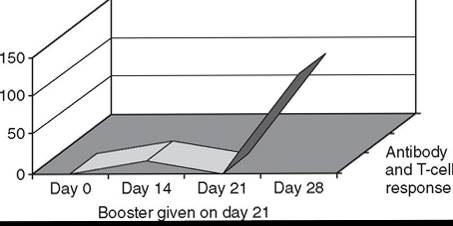
FIG. 48.1 Anamnestic response seen after booster dose is administered to vaccinates.
antibodies.2,12 If the booster is given too early, the anamnestic response does not occur, and if too much time elapses before the booster is given, it acts as an initial dose, not as a booster.
With most MLV vaccines (except for some BRSV vaccines), the primary vaccination also stimulates the secondary response without the necessity of a booster because the virus or bacterium is replicating in the animal.
Adverse Reactions
Read the Labels
The vaccine label is a wealth of information that is approved by the CVB/APHIS. The CVB evaluates the supportive efficacy data supplied by the vaccine manufacturer and decides whether the vaccine can be licensed or not. They also determine what type of efficacy claim can appear on the vaccine labels and in advertising. Included are dosage, route of administration, precautions, timing, indications, storage information, withdrawal period, and shelf life. As found in Veterinary Services Memorandum 800.202 (June 2002), the CVB also does some preliminary rating of vaccine efficacy by granting one of five level of protection statements (in order of highest efficacy to lowest): Prevention of Infection, Prevention of Disease, Aid in the Prevention of Infection, Aid in Disease Control, and Other Miscellaneous Claims. The label can be a good starting point for comparing vaccines.
Newer Immunologic Concepts in Cattle Vaccination
The terms dominant antigen, antigen interference, and immunodominance have been used interchangeably to describe a unique phenomena of the immune system. The term immunodominance has become the accepted term in human immunology, and textbooks have been written on the subject.42 Immunodomination is defined as the process whereby immune expression or recognition of one epitope or antigen influences the recognition of a second distinct epitope or antigen.43 This prioritization of epitopes by the immune system has been widely studied, and many articles have been published. Although most studies have focused on the occurrence of immuno dominance in immune responses to the multitude of epitopes within a specific antigen (virus or bacteria), there are continued studies on the interactions between different antigens. On any bacteria or virus, only 0.2% of the possible epitopes have any measurable immune response.44 This also extends to interactions between concurrent administration of different vaccines.45,46
Immunodominance has been shown to occur via several different mechanisms. These include:
1. Dominant epitope processing block antigen presenting cells from the antigen presentation of subdominant epitopes43
2. Dominant epitope T cells block expansion of subdominant T cells (CD4+ and CD8+)
3. Dominant epitope processing using T-cell synaptic molecules to be used and exhausted and/or the release of defective synaptic molecules, thereby blocking attachment of subdominant T cells42
4. Shifting of subsets of CD4+ subsets toward antiviral or antibody formation45,46
One of the first published cattle studies demonstrating the potential for interactions between cattle vaccines was published in the Canadian Journal of Veterinary Medicine in 1992.47 The authors demonstrated that vaccination with a modified live bovine herpesvirus 1 (infectious bovine rhinotracheitis virus, BHV-1) vaccine blocked the M. haemolytica vaccine response. The same phenomena of modified live BHV-1 vaccine over M. haemolytica vaccine response was observed in a vaccine field trial performed by Kansas State University.48 More recent studies that have compared the serologic responses to M. hemolyica bacterins with coadministration of attenuated BHV-1 (MLV and temperature sensitive [TS]) supported the earlier findings; however, immunodominance was not shown if the BHV-1 vaccine was administered intranasally or on subsequent vaccination.49-50 Antigen interaction has been shown with several other vaccines as well.51-53 More research is necessary to continue to understand these interactions and how they pertain to developing vaccine program strategies.
Another new immunologic concept that also started in human immunology and is now being researched in veterinary immunology is the prime boost vaccine strategy. This concept involves priming the immune system to a target antigen delivered by one vector, route, or mechanism and then selectively boosting this immunity by readministration of the antigen in the context of a second and distinct method.54 This is considered heterologous versus traditional homologous boostering.
Several papers have highlighted the power of prime-boost strategies in eliciting protective cellular immunity to a variety of pathogens and have demonstrated efficacy in humans.55 The key strength of this strategy is that greater levels of immunity are established by heterologous prime boost than can be attained by a single-vaccine administration or homologous boost strategies. Recent studies in veterinary medicine have demonstrated the prime boost concept.56-59 These and other studies indicate that this area of vaccination strategy is poised to make tremendous progress.
Summary
Designing a vaccination program requires a good history of the individual farm and a basic understanding of the immune system. Vaccines that should be considered for routine or optional use in various classes of pastured beef cattle, feedlot cattle, and dairy cattle are listed in Boxes 44.3 to 44.12. The vaccines chosen should be supported by good, solid efficacy studies (and by effectiveness and efficiency studies if possible) to ensure that the product can fulfill the needs of the farm or ranch (see Table 44.8). Management decisions that do not maximize the potential of the product chosen may be made, and realistic expectations of all products should be well explained to the producer before the vaccines are administered. The owner should be involved in the vaccine decision-making process, and all information on the product should be shared.
Establishing good baseline immunity of replacement heifers and the foundation vaccination program can have dramatic effects on the health and profitability of the herd, so such programs must be well planned.