Visual Examination
As observations are made and a physical examination is performed, it is important to follow a systematic approach and to record findings. A checklist has been found to be extremely useful (Fig.
1.2). While observing the animal from a distance, the examiner should assess its posture, gait, behavior, and physical condition. Observation of the other members of the flock or herd helps differentiate normal from abnormal characteristics under each particular management system, because normal may vary from farm to farm and because what is considered “normal” for a farm by the owner or herdsman might actually be abnormal; this information is valuable for assessing the incidence of a disease or disorder that is caused by management. As more animals in more herds are observed, a background of knowledge is gained, allowing the practitioner to assess these management deficiencies more reliably.The general appearance and conformation of the animal are included in determining posture. These are assessed in light of the age and breed of the patient. Determining abnormalities in posture can be difficult; however, noting these subtle changes can contribute greatly to the diagnosis of a disease process. Conformation is recognized by looking at the overall size and shape with particular regard to height, width, and relationship of the head, neck, and legs to the trunk. The general appearance of the patient in light of overall conformation can then be assessed. Determining a body condition score
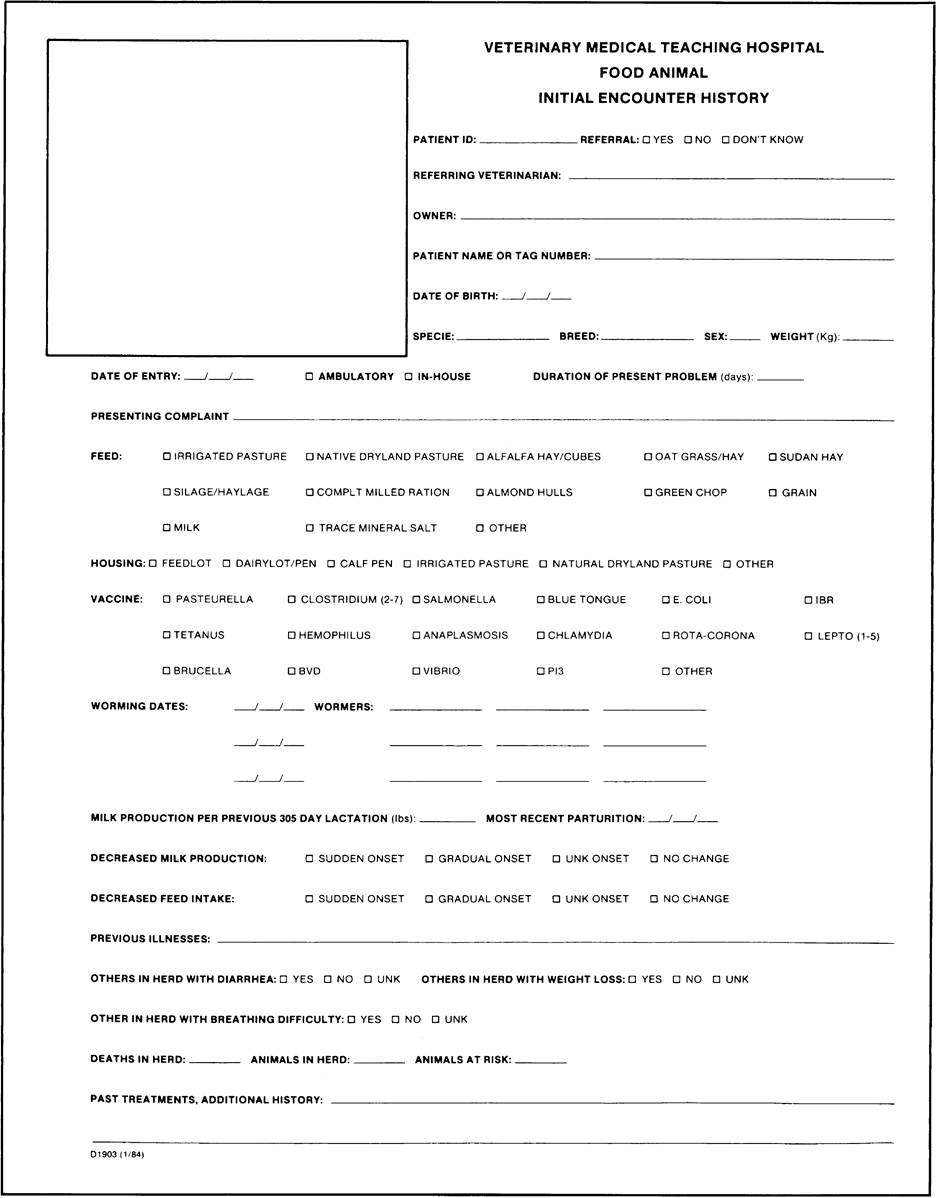
FIG. 1.1 Example of an initial encounter history form for use in ruminants.
and correlating it with lifecycle stage or stage of lactation can offer insight into the course of the presenting complaint. Is the young, growing animal within breed standards for size and weight? (See Chapter 9.) The condition of the hair coat and evidence/presence of external parasites can be noted during the physical examination (e.g., frank hair loss, as seen in louse infestation, or dander and scruffiness of the hair coat, as seen in chronic debilitating diseases).
Observe the animal for signs of abdominal splinting or arching of the back, as can be seen with peritonitis. This posture
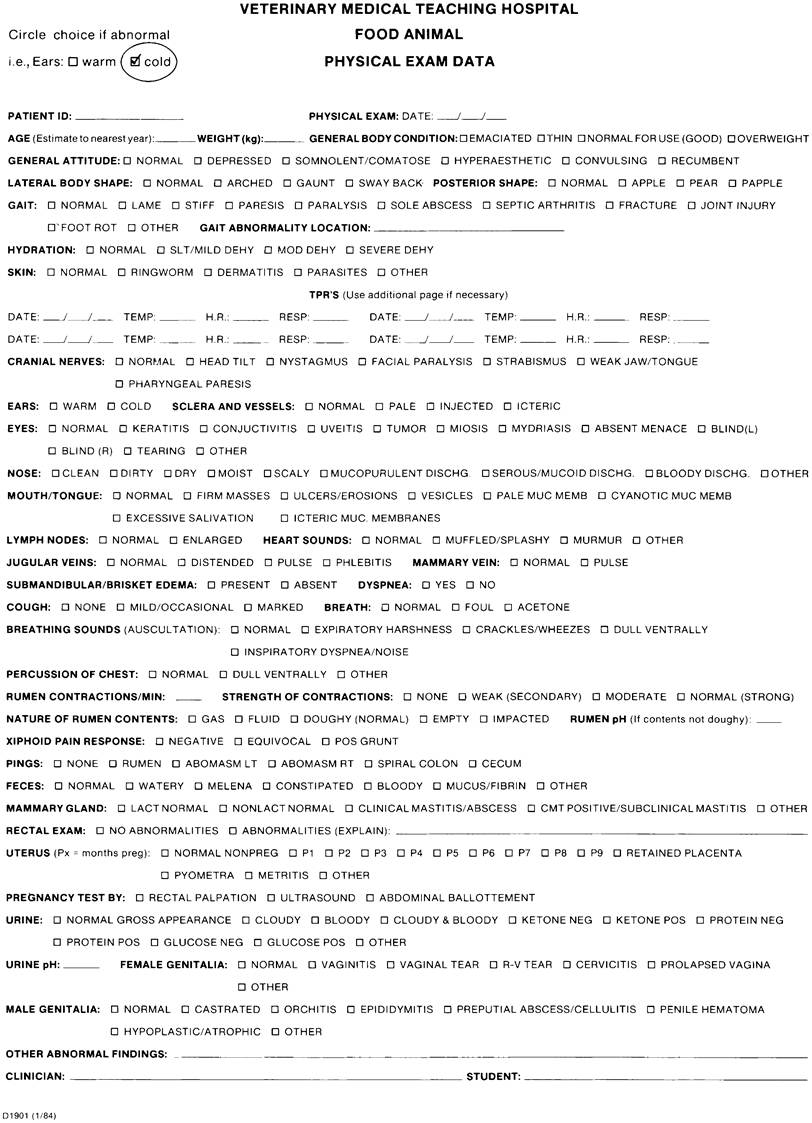
FIG. 1.2 Example of a data sheet for the recording of the pertinent findings from the physical examination.
can also be noted with other disease processes when these produce pain in the ventral abdomen. Lateral curvature of the spine could indicate a congenital defect or a chronic spinal lesion. Carrying the tail up away from the body is seen with conditions resulting in pain or irritation in the perineal region, vagina, or rectum. Standing with all four legs in the classic “saw-horse” stance with the neck and tail held erect is typical of tetanus. Abduction of the elbows is seen in disorders that cause thoracic pain. Lameness can be noted by observing unwillingness to bear weight fully on the affected limb while either standing or walking. Loss of extensor or flexor capabilities of the joints is seen in nerve paralysis or paresis; it can also be caused by tendon and/or joint contractures, in which case joints are rigid. Walking as if all four feet are sore may indicate Iaminitis. With bright and alert recumbent animals, a thorough examination to rule out fractures or severe joint trauma is essential. Once these have been ruled out, inability to stand may be indicative of generalized muscular paresis or paralysis. These can be of a primary nature, as with lesions within the spinal column causing cord compression, or secondary to mineral or electrolyte deficiencies (e.g., hypocalcemia, hypomagnesemia, hypokalemia).
To be able to judge the behavior of the animal as being normal or abnormal, the observer must call on a large amount of experience. Observing the animal from a distance allows assessment of eating and drinking behavior, as well as assessment of the subject as it is ruminating, urinating, and defecating. How the animal gets up or lies down and how it ambulates are important.
Signs indicative of estrus or signs commonly seen with calving might be considered normal or abnormal, given the history and behavior of the animal during these events. Observing the patient during the milking process may also be beneficial. The influence of the manager on animal behavior is important, as is the overall temperament of the particular breed or herd in question. Normal animals react to the approach of a human being by moving away; however, those that have had extensive contact with people may be more inquisitive. Within a herd one can note animals that are more tolerant than others, more stubborn, more restless, and more anxious. These traits are not necessarily abnormal and need to be differentiated from behavior that would be considered secondary to disease. In general, one must determine whether the behavior is one of a depressed or apathetic animal or of a hyperexcitable or frenzied animal.Nutritional status and physical condition are assessed by means of observation and palpation. Special attention is paid to the dewlap, the spinous processes of the thoracic and lumbar vertebrae, the transverse processes of the lumbar spine, the shoulder area, and the area around the tailhead. Determination of body condition will then result in a classification of the animal as being anywhere from severely emaciated or cachectic to extremely overconditioned or fat (see Chapter 9 for body scores). Next it must be determined whether the condition is of a primary or nutritional nature or the result of disease. Disease processes can influence or be influenced by the animal's body condition. Extremely thin animals are seen in primary undernutrition and also with chronic disease. Females carrying multiple fetuses and lactating animals with metabolic abnormalities secondary to abomasal displacements would also show signs of weight loss. Overconditioned animals are at greater risk for a wide variety of disorders primarily related to the accumulation of fat in the liver and excessive fat storage in the omentum.