HIBERNATION
Reptiles, having limited thermogenesis, rely totally on their environmental temperature. This means that reptiles inhabiting temperate climates and high altitudes have to hibernate when the temperature drops.
However, some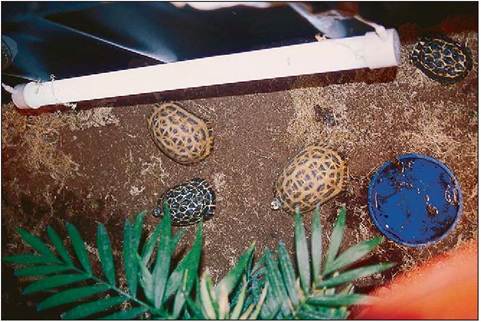
Figure 2.4 • Ultraviolet light is necessary for the conversion of provitamin D3 to previtamin D3 so is essential for calcium absorption.
species living at tropical high altitudes can absorb enough solar radiation by day to enable them to remain active and feed, even during the winter months (Gregory 1982).
Trigger factors to hibernation
In contrast to mammals, where hibernation is a survival mechanism triggered by scarce food supplies, hibernation in reptiles is governed mainly by temperature. The lack of internal thermogenesis, brown fat or shivering mechanisms makes this essential when the temperature drops. Captive reptiles, therefore, may not hibernate if kept in a warm environment. However, other factors like photoperiod, reproduction, food supply and body size also play a role, and endogenous rhythms may also play a part. In the wild, hibernation patterns can vary between the same species in different climatic ranges and even among different ages and sexes of same species (Gregory 1982).
Stages of Hibernation
1. Falling temperatures inhibit appetite.
2. The reptile seeks a hibernaculum. The main requirements are insulation against freezing (below the frostline) and some moisture to protect against desiccation. Oxygen tension is not important as many are tolerant of hypoxia.
3. Fat is stored in the liver, fat bodies of the celom, and tail and is the main energy source during and after hibernation. Metabolism slows down so that very little energy is actually used during the hibernation period. The main draw on lipid reserves is when the reptile emerges in spring.
4. Emergence from hibernation is triggered by rising temperatures and many will emerge early if the temperature improves. Photoperiod plays no role as most reptiles hibernate underground (Gregory 1982).
Hibernation and reproduction
The low temperature of hibernation helps synchronize the reproductive cycles together. Rising temperatures are also the cue for mating in spring and the males often emerge first. Reptiles that hibernate in a communal den often mate before dispersal. In some species appetite will not return until the mating process is over, so fat stores must last until then.
CLINICAL NOTE
A healthy tortoise emerging from hibernation should not have lost more than 10% of its body weight. This can be accounted for by (mainly) water loss but also some reduction in glycogen and lipids (Gregory 1982).
Aquatic hibernation
Water is very dense at the bottom of a pond and so does not freeze. Some freshwater turtles such as Trionyx spp. hibernate at the bottom of ponds during the winter months. They utilize anaerobic metabolism and breathe dissolved oxygen in the water through their skin (Seymour 1982).
Estivation
Inactivity during the dry season, estivation, is a strategy used by reptiles in hot deserts to conserve water. Trigger factors for estivation could be high temperatures or drought. Some turtles leave the water when it runs dry and bury themselves on land. During this process there will be progressive weight loss due to water and electrolyte loss.
Reptiles
21
KEY POINTS
• Reptiles, being ectotherms, are very dependent on their environment and this must be taken into account for those in captivity.
• Reptiles have 1/10 the food requirements of birds and mammals of equivalent size.
• The trigger for hibernation in reptiles is the fall in temperature.
• Not more than 10% body weight should be lost during hibernation.