Macrophage-Derived Cytokines Can Induce a Variety of Physiological Processes to Help Combat Infectious Antigens
Physiologically, a key component of combating infectious antigens is the induction of/ever, which is mediated by the release of pyrogenic cytokines such as IL-1, IL-6, and TNF-α by macrophages (Figure 54-6).
These cytokines act on multiple tissues to mount a coordinated effort aimed at eliminating the invading microbes. For example, they act on thermoregulatory regions in the hypothalamus to induce fever, which is an integral part of this process. Fever accelerates the mobility of neutrophils, enhances their phagocytic ability, and activates lymphocytes and complement proteins while impeding the growth of bacteria. These cytokines also act on the liver to stimulate acute-phase proteins that function as opsonins to promote phagocytosis. Further, these cytokines act on the sleep-associated regions in the hypothalamus to promote sleep in an effort to conserve energy and redirect energy toward the infectious challenge. Because major immunoprotective elements (e.g., antibodies, cytokines, complement) are all proteins, these cytokines increase the amino acid pool by acting on muscles and inducing mild proteolysis and release of amino acids, which are essential for synthesis of various immunoprotective elements.Another important feature of some macrophages is their ability to present antigens to stimulate T cells in order to start the specific adaptive immune response. Other cells are part of the innate immune system and also serve as antigen-presenting cells (APCs); these include dendritic cells and B cells. Dendritic cells are considered the most potent cells in presenting antigens. These cells have long dendrites that physically allow them to interact simultaneously with many antigens. Dendritic cells are abundant in lymphoid organs, skin, and other
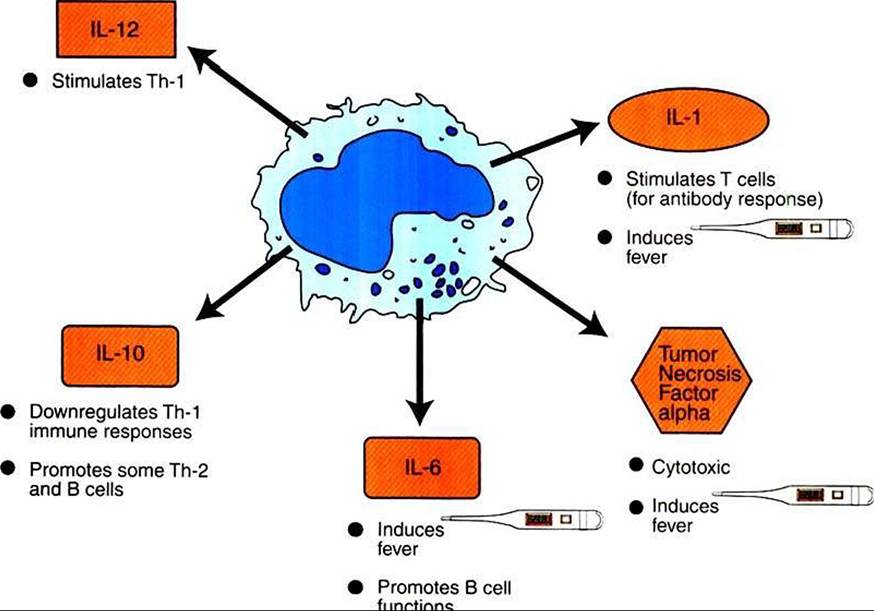
FIGURE 54-5 Macrophage-derived cytokines. IL, Interleukin; Th-IzTheIper cells type 1; Th-2,Thelper cells type 2.
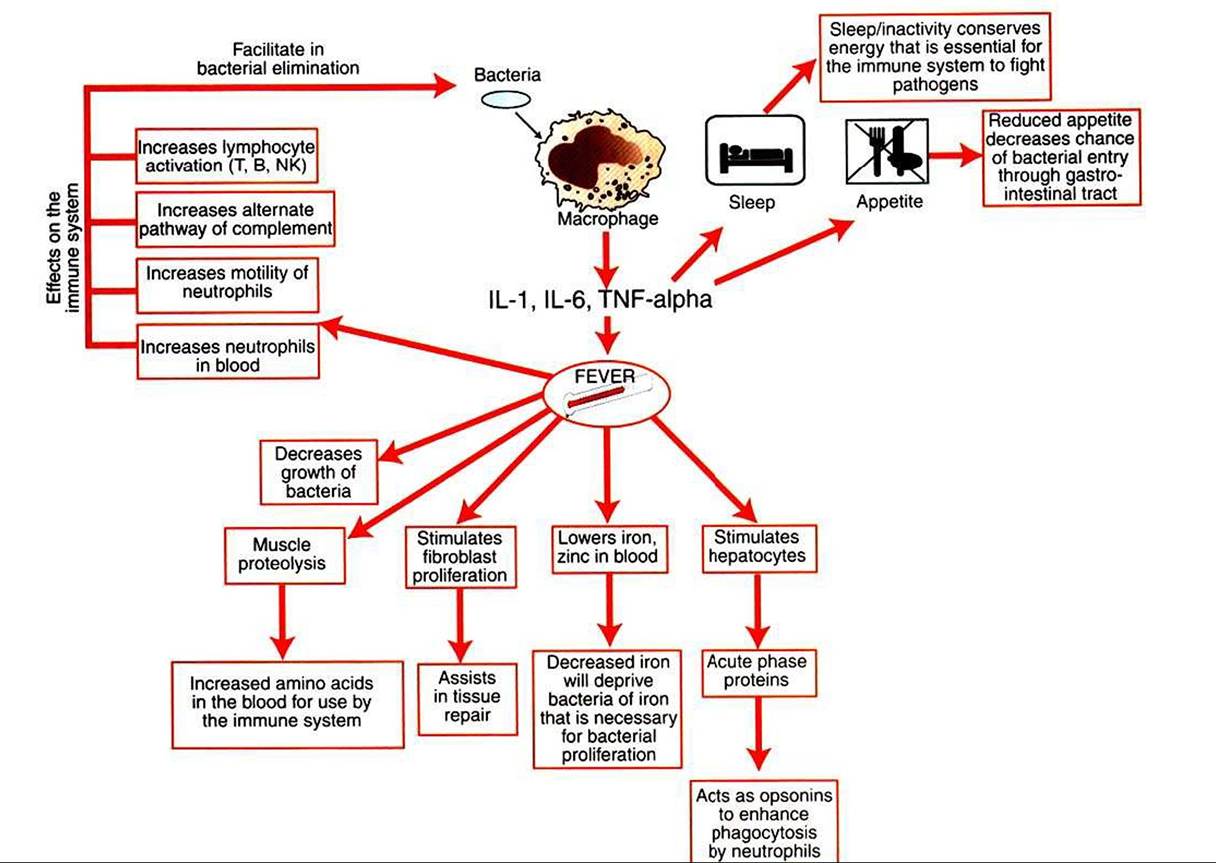
FIGURE 54-6 Pyrogenic cytokines, fever, and pathogen elimination.
tissues that frequently encounter antigens. The role of APCs in the adaptive immune response is discussed in Chapter 55.