REACTION OF NEURAL TISSUE TO INJURY
The physiological response of neural tissue to injury is a complex, dynamic and multifaceted process that involves a balance between protective and detrimental mechanisms process (Figure 8.5).
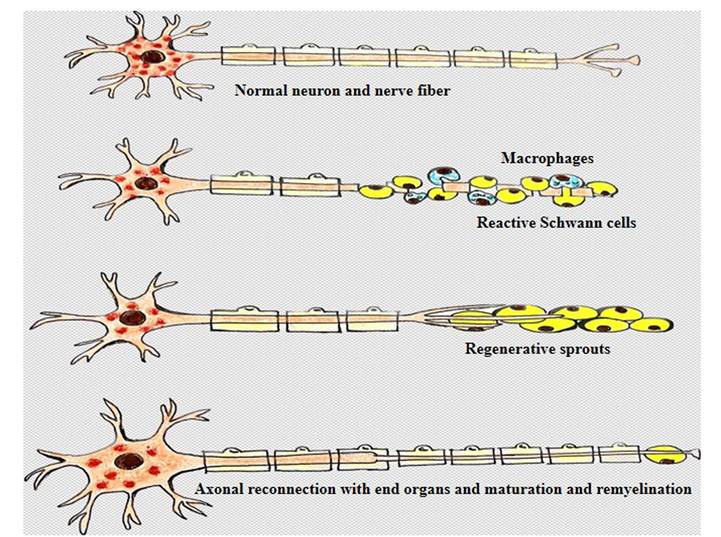
FIGURE 8.5 Reaction of neural tissue to injury
It involves a series of events that includes both immediate responses and long-term processes aimed at containing the damage and promoting repair. Primarily, following the injury, there is an excessive release of neurotransmitters, glutamate in particular, leading to over-activation of receptors (excitotoxicity), which disrupts the ionic balance and causes calcium influx and neuronal damage. Acutely, the activated microglia cells proliferate and migrate to the site of injury to release cytokines and chemokines, which attract other immune cells like astrocytes to form a glial scar around the injury site. This scar helps contain the injury but can also impede axonal regeneration. Secondarily, the injury can compromise the blood-brain barrier, allowing immune cells and potentially harmful substances like reactive oxygen species to enter the CNS, thereby exacerbating the inflammation process.
In the later stages, there may be attempts at neural regeneration, with axonal sprouting and formation of new connections. However, the extent of regeneration is often limited in the central nervous system due to factors such as inhibitory signaling molecules and the formation of scar tissue by reactive astrocytes. Ultimately, the response to neural injury can vary depending on factors such as the type and severity of the injury, the location within the nervous system, and the animal’s age and overall health.
8.8