REFERENCES
The complete list of references can be found at www.expertconsult.com.
REFERENCES
Autoimmune Skin Disorders
1. Vandenabeele SI, White SD, Kass P, et al: Pemphigus foliaceus in the horse: 20 cases, Vet Dermatol 15:381, 2004.
2. Zabel S, Mueller RS, Fieseler KV, et al: Review of 15 cases of pemphigus foliaceus in horses and a survey of the literature, Vet Rec 157:505, 2005.
3. Pappalardo E, Abramo F, Noli C: Pemphigus foliaceus in a goat, Vet Dermatol 13:331, 2002.
4. Cornish J, Highland M: Successful treatment of juvenile pemphigus foliaceus in a Nigerian Dwarf goat, J Am Vet Med Assoc 236:674, 2010.
5. Lambacher B, Schoiswohl J, Brunthaler R, et al: Successful treatment of pemphigus foliaceus in a Berrichon du Cher ram with methylprednisolone acetate, Vet Dermatol 28:499, 2017.
6. Bourdeau P, Baudry J: [Pemphigus-type bullous dermatosis associated with pregnancy in a female donkey], Informations Dermatologiques Veterinaries 11:19,
2005.
7. White SD, Carlotti DN, Pin D, et al: Putative drug-induced pemphigus foliaceus in four dogs, Vet Dermatol 13:195, 2002.
8. Bizikova P, Dean GA, Hashimoto T, et al: Cloning and establishment of canine desmocollin-1 as a major autoantigen in canine pemphigus foliaceus, Vet Immunol Immunopathol 149:197, 2012.
9. Scott DW, Miller WH, Jr: Equine dermatology, ed 2, St Louis, MO, 2003, Saunders-Elsevier.
10. Scott DW: Marked acantholysis associated with dermatophytosis due to Trichophyton equinum in two horses, Vet Dermatol 5:105, 1994.
11. Scott DW, Smith MC, Smith CA, et al: Pemphigus foliaceus in a goat, Agric Pract 5:38, 1984.
12. Scott DW, Walton DK, Smith CA: Pitfalls in immunofluorescence testing in dermatology. III, Pemphigus-like antibodies in the horse and direct immunofluorescence testing in equine dermatophilosis, Cornell Vet 74:305, 1984.
13.
Peroni DL, Stanley S, Kollias-Baker C, et al: Prednisone per os is likely to have limited efficacy in horses, Equine Vet J 34:283, 2002.14. Humber KA, Beech J, Cudd TA, et al: Azathioprine for treatment of immune- mediated thrombocytopenia in two horses, J Am Vet Med Assoc 199:591, 1991.
15. McGurrin MK, Arroyo LG, Bienzle D: Flow cytometric detection of platelet-bound antibody in three horses with immune-mediated thrombocytopenia, J Am Vet Med Assoc 224:83, 2004.
16. White SD, Rosychuk RA, Outerbridge CA, et al: Thiopurine methyltransferase in red blood cells of dogs, cats, and horses, J Vet Intern Med 14:499, 2000.
17. White SD, Maxwell LK, Szabo N, et al: Pharmacokinetics of azathioprine following single-dose intravenous and oral administration and effects of azathioprine following chronic oral administration in horses, Am J Vet Res 66:1578, 2005.
18. Winfield L, White SD, Affolter VK, et al: Pemphigus vulgaris in a Welsh pony stallion: diagnosis, attempted treatment and demonstration of antidesmoglein autoantibodies, Vet Dermatol 24:269, 2002.
19. Olivry T, Borrillo AK, Xu L, et al: Equine bullous pemphigoid IgG autoantibodies target linear epitopes in the NC16A ectodomain of collagen XVII (BP180, BPAG2), Vet Immunol Immunopathol 73:45, 2000.
20. Valentine BA, Bildfell RJ, Packham D, et al: Alopecia areata in two black Angus cows, J Vet Diagn Invest 24:405, 2012.
21. Timm K, Rufenacht S, von Tscharner C, et al: Alopecia areata in Eringer cows, Vet Dermatol 21:545, 2010.
22. Bruet V, Degorce-Rubiales F, Abadie J, et al: Severe alopecia areata and onychodystrophy on all four feet of a French trotter mare, Vet Rec 162:758, 2008.
23. Hoolahan DE, White SD, Outerbridge CA, et al: Equine alopecia areata: a retrospective descriptive study at the University of California-Davis (1980-2011), Vet Dermatol 24:282, 2013.
24. Colombo S, Keen JA, Brownstein DG, et al: Alopecia areata with lymphocytic mural folliculitis affecting the isthmus in a thoroughbred mare, Vet Dermatol 15:260, 2004.
25. Tobin DJ, Alhaidari Z, Olivry T: Equine alopecia areata autoantibodies target multiple hair follicle antigens and may alter hair growth. A preliminary study, Exp Dermatol 7:289, 1998.
Hypersensitivity Disorders
1. Rees CA: Response to immunotherapy in six related horses with urticaria secondary to atopy, J Am Vet Med Assoc 218:753, 2001.
2. Lorch G, Hillier A, Kwochka KW, et al: Comparison of immediate intradermal test reactivity with serum IgE quantitation by use of a radioallergosorbent test and two ELISA in horses with and without atopy, J Am Vet Med Assoc 218:1314,
2001.
3. Stepnik C, Outerbridge CA, White SD, et al: Equine atopic skin disease and response to allergen specific immunotherapy (ASIT): a retrospective study at the University of California-Davis (1991-2008), Vet Dermatol 23:29, 2012.
4. Petersen A, Schott HC, 2nd: Effects of dexamethasone and hydroxyzine treatment on intradermal testing and allergen-specific IgE serum testing results in horses, Vet Dermatol 20:615, 2009.
5. Lorch G, Hillier A, Kwochka KW, et al: Results of intradermal tests in horses without atopy and horses with chronic obstructive pulmonary disease, Am J Vet Res 62:389, 2001.
6. Lorch G, Hillier A, Kwochka KW, et al: Results of intradermal tests in horses without atopy and horses with atopic dermatitis or recurrent urticaria, Am J Vet Res 62:1051, 2001.
7. Jose-Cunilleras E, Kohn CW, Hillier A, et al: Intradermal testing in healthy horses and horses with chronic obstructive pulmonary disease, recurrent urticaria, or allergic dermatitis, J Am Vet Med Assoc 219:1115, 2001.
8. Wong DM, Buechner-Maxwell VA, Manning TO: Equine skin: structure, immunologic function, and methods of diagnosing disease, Compend Contin Educ Pract Vet 27:463, 2005.
9. Morris DO, Lindborg S: Determination of “irritant” threshold concentrations for intradermal testing with allergenic insect extracts in normal horses, Vet Dermatol 14:31, 2003.
10. Wong DM, Buechner-Maxwell VA, Manning TO, et al: Evaluation of the precision of intradermal injection of control substances for intradermal testing in clinically normal horses, Am J Vet Res 66:1341, 2005.
11. Dirikolu L, Lehner AF, Harkins JD, et al: Pyrilamine in the horse: detection and pharmacokinetics of pyrilamine and its major urinary metabolite O-des- methylpyrilamine, J Vet Pharmacol Ther 32:66, 2009.
12. White SD: Advances in equine serologic and intradermal allergy testing, Clin Tech Equine Pract 4:311, 2005.
13. Tallarico NJ, Tallarico CM: Results of intradermal allergy testing and treatment by hyposensitization of 64 horses with chronic obstructive pulmonary disease, urticaria, headshaking, and/or reactive airway disease, J Vet Allergy Clin Immunol 6:25, 1998.
14. Evans AG: Recurrent urticaria due to inhaled allergens. In Robinson NE, editor: Current therapy in equine medicine, ed 2, Philadelphia, PA, 1986, Saunders.
15. Omidi A: Anaphylactic reaction in a cow due to parenteral administration of penicillin-streptomycin, Can Vet J 50:741, 2009.
16. Scott DW, Miller WH, Jr: Equine dermatology, ed 2, St Louis, MO, 2003, Saunders-Elsevier.
17. White SD: Equine bacterial and fungal diseases: a diagnostic and therapeutic update, Clin Tech Equine Pract 4:302, 2005.
18. Scott DW: Large animal dermatology, Philadelphia, PA, 1988, Saunders.
19. Campbell SG: Milk allergy, an autoallergic disease of cattle, Cornell Vet 60:684, 1970.
20. Campbell SG: The milk proteins responsible for milk allergy, an autoallergic disease of cattle, J Allergy Clin Immunol 48:230, 1971.
21. Marshall C: Erythema multiforme in two horses, J S Afr Vet Assoc 62:133, 1991.
22. Stannard AA: Stannard's illustrated equine dermatology notes, Vet Dermatol 11:163, 2000.
23. Affolter VK, Von Tscharner C: Cutaneous drug reactions: a retrospective study of histopathological changes and their correlation with the clinical disease, Vet Dermatol 4:79, 1993.
24. Goodale EC, White SD, Outerbridge CA, et al: A retrospective review of hyperaesthetic leucotrichia in horses in the USA, Vet Dermatol 27:294, 2016.
25. Herder V, Barsnick R, Walliser U, et al: Equid herpesvirus 5-associated dermatitis in a horse-resembling herpes-associated erythema multiforme, Vet Microbiol 155:420, 2012.
26. Yeruham I, Perl S, Elad D: Nine cases of idiopathic toxic epidermal necrolysis in cattle in Israel, Zentralbl Veterinarmed B 46:493, 1999.
27. White SD, Affolter VK, Dewey J, et al: Cutaneous vasculitis in equines: 72 cases, Vet Dermatol 20:60035, 2009.
28. Risberg AI, Webb CB, Cooley AJ, et al: Leucocytoclastic vasculitis associated with Staphylococcus intermedius in the pastern of a horse, Vet Rec 156:740, 2005.
29. De Geest J, Muylle E, Deprez P: An outbreak of cutaneous vasculitis in newborn calves, Vlaams Diergeneesk Tijdschr 59:7, 1990.
30. Ferreras MC, Benavides J, Fuertes M, et al: Pathological features of systemic necrotizing vasculitis (polyarteritis nodosa) in sheep, J Comp Pathol 149:74, 2013.
31. Ihrke PJ: Contact dermatitis. In Robinson NE, editor: Current therapy in equine medicine, Philadelphia, PA, 1983, Saunders.
32. Campagnolo ER, Trock SC, Hungerford LL, et al: Outbreak of vesicular dermatitis among horses at a midwestern horse show, J Am Vet Med Assoc 207:211, 1995.
Bacterial Diseases
1. Scott DW, Manning TO: Equine folliculitis and furunculosis, Equine Pract 2:11, 1980.
2. Scanlan CM, Garrett PD, Geifer DB: Dermatophilus congolensis infections of cattle and sheep, Compend Contin Educ Pract Vet 6:S4, 1984.
3. Scott DW, Manning TO: Caprine dermatology. I. Normal skin and bacterial and fungal disorders, Compend Contin Educ Pract Vet 6:S190, 1984.
4. Outerbridge CA, Ihrke PJ: Folliculitis: staphylococcal pyoderma, dermatophilosis, dermatophytosis. In Robinson NE, editor: Current therapy in equine medicine, ed 5, St Louis, MO, 2003, Saunders-Elsevier.
5. Frank LA, Kania SA, Weyant E: RT-qPCR for the diagnosis of dermatophilosis in horses, Vet Dermatol 27:431, 2016.
6. Chatikobo P, Choga T, Ncube C, et al: Bovine dermatophilosis, a re-emerging pandemic disease in Zimbabwe, Trop Anim Health Prod 41:1289, 2009.
7. White SD: Equine bacterial and fungal diseases: a diagnostic and therapeutic update, Clin Tech Equine Pract 4:302, 2005.
8. Shimizu A, Kawano J, Ozaki J, et al: Characteristics of Staphylococcus aureus isolated from lesions of horses, J Vet Med Sci 53:601, 1991.
9. Chiers K, Decostere A, Devriese L, et al: Bacteriological and mycological findings and in vitro antibiotic sensitivity of pathogenic staphylococci in equine skin infections, Vet Rec 152:138, 2003.
10. Inokuma H, Kanaya N, Fujii K, et al: Equine pyoderma associated with malnutrition and unhygienic conditions due to neglect in a herd, J Vet Med Sci 65:527,
2003.
11. Heffner KA, White SD, Frevert CW, et al: Corynebacterium folliculitis in a horse, J Am Vet Med Assoc 193:89, 1988.
12. Yasuda R, Kawano J, Onda H, et al: Methicillin-resistant coagulase-negative staphylococci isolated from healthy horses in Japan, Am J Vet Res 61:1451, 2000.
13. Busscher JF, van Duijkeren E, Sloet van Oldruitenborg-Oosertbaan MM: The prevalence of methicillin-resistant staphylococci in healthy horses in the Netherlands, Vet Microbiol 113:131, 2006.
14. Beims H, Overmann A, Fulde M, et al: Isolation of Staphylococcus sciuri from horse skin infection, Open Vet J 6:242, 2016.
15. Weese JS, Rousseau J, Traub-Dargatz JL, et al: Community-associated methicillin- resistant Staphylococcus aureus in horses and humans who work with horses, J Am Vet Med Assoc 226:580, 2005.
16. Cuny C, Kuemmerle J, Stanek C, et al: Emergence of MRSA infections in horses in a veterinary hospital: strain characterisation and comparison with MRSA from humans, Euro Surveill 11:44, 2006.
17. Kumar A, Kaushik P, Anjay, et al: Prevalence of methicillin-resistant Staphylococcus aureus skin and nasal carriage isolates from bovines and its antibiogram, Vet World 10:593, 2017.
18. Weese JS, Caldwell F, Willey BM, et al: An outbreak of methicillin-resistant Staphylococcus aureus skin infections resulting from horse to human transmission in a veterinary hospital, Vet Microbiol 114:160, 2006.
19. Hanselman BA, Kruth SA, Rousseau J, et al: Methicillin-resistant Staphylococcus aureus colonization in veterinary personnel, Emerg Infect Dis 12:1933, 2006.
20. Weese JS, Rousseau J: Attempted eradication of methicillin-resistant Staphylococcus aureus colonisation in horses on two farms, Equine Vet J 37:510, 2005.
21. Peck KE, Matthews NS, Taylor TS, et al: Pharmacokinetics of sulfamethoxazole and trimethoprim in donkeys, mules, and horses, Am J Vet Res 63:349, 2002.
22. Egerbacher M, Edinger J, Tschulenk W: Effects of enrofloxacin and ciprofloxacin hydrochloride on canine and equine chondrocytes in culture, Am J Vet Res 62:704, 2001.
23. Epstein K, Cohen N, Boothe D, et al: Pharmacokinetics, stability, and retrospective analysis of use of an oral gel formulation of the bovine injectable enrofloxacin in horses, Vet Ther 5:155, 2004.
24. Dunnett M, Richardson DW, Lees P: Detection of enrofloxacin and its metabolite ciprofloxacin in equine hair, Res Vet Sci 77:143, 2004.
25. Orsini JA, Snooks-Parsons C, Stine L, et al: Vancomycin for the treatment of methicillin-resistant staphylococcal and enterococcal infections in 15 horses, Can J Vet Res 69:278, 2005.
26. Marsella R, Akucewich L: Investigation on the clinical efficacy and tolerability of a 0.4% stannous fluoride preparation (MedEquine® Gel) for the treatment of bacterial skin infections in horses: a prospective, randomized, double-blinded, placebo-controlled clinical trial, Vet Dermatol 18:444, 2007.
27. Yeruham I, Perl S, Elad D, et al: A generalized staphylococcal scalded skin-like disease in lambs, Zentralbl Veterinarmed B 46:635, 1999.
28. Yeruham I, Hadani A, Elad D, et al: Staphylococcal furunculosis in sheep severely infested by psoroptic mange, Aust Vet J 80:349, 2002.
29. Oliveira AM, MacKellar A, Hume L, et al: Immune responses to Staphylococcus aureus and Psoroptes ovis in sheep infected with P. ovis—the sheep scab mite, Vet Immunol Immunopathol 113:64, 2006.
30. Markel MD, Wheat JD, Jang SS: Cellulitis associated with coagulase-positive staphylococci in racehorses: nine cases (1975-1984), J Am Vet Med Assoc 189:1600, 1986.
31. Biberstein EL, Jang SS, Hirsh DC: Species distribution of coagulase-positive staphylococci in animals, J Clin Microbiol 19:610, 1984.
32. Devriese LA, Nzuambe D, Godard C: Identification and characteristics of staphylococci isolated from lesions and normal skin of horses, Vet Microbiol 10:269, 1985.
33. Adam EN, Southwood LL: Primary and secondary limb cellulitis in horses: 44 cases (2000-2006), J Am Vet Med Assoc 231:1696, 2007.
34. Spier SJ, Leutenegger CM, Carroll SP, et al: Use of a real-time polymerase chain reaction-based fluorogenic 5' nuclease assay to evaluate insect vectors of Coryne- bacterium pseudotuberculosis infections in horses, Am J Vet Res 65:829, 2004.
35. Kilcoyne I, Spier SJ, Carter CN, et al: Frequency of Corynebacterium pseudotuberculosis infection in horses across the United States during a 10-year period, J Am Vet Med Assoc 245:309, 2014.
36. Aleman M, Spier SJ, Wilson WD, et al: Corynebacterium pseudotuberculosis infection in horses: 538 cases (1982-1993), J Am Vet Med Assoc 209:804, 1996.
37. Britz E, Spier SJ, Kass PH, et al: The relationship between Corynebacterium pseudotuberculosis biovar equi phenotype with location and extent of lesions in horses, Vet J 200:282, 2014.
38. Haas DJ, Dorneles EM, Spier SJ, et al: Molecular epidemiology of Corynebacterium pseudotuberculosis isolated from horses in California, Infect Genet Evol 49:186, 2017.
39. Farstvedt EG, Hendrickson DA, Dickenson CE, et al: Treatment of suppurative facial cellulitis and panniculitis caused by Corynebacterium pseudotuberculosis in two horses, J Am Vet Med Assoc 224:1139, 2004.
40. Rhodes DM, Magdesian KG, Byrne BA, et al: Minimum inhibitory concentrations of equine Corynebacterium pseudotuberculosis isolates (1996-2012), J Vet Intern Med 29:327, 2015.
41. Pratt SM, Spier SJ, Carroll SP, et al: Evaluation of clinical characteristics, diagnostic test results, and outcome in horses with internal infection caused by Corynebacterium pseudotuberculosis: 30 cases (1995-2003), J Am Vet Med Assoc 227:441, 2005.
Digital Dermatitis (Papillomatous Digital Dermatitis, Bovine Digital Dermatitis, Foot Warts, Heel Warts, Hairy Foot Warts, Hairy Heel Warts, Mortellaro's Disease, Strawberry Heel Warts, Verrucous Dermatitis)
1. Argaez-Rodriguez FJ, Hird DW, Hernandez de Anda J, et al: Papillomatous digital dermatitis on a commercial dairy farm in Mexicali, Mexico: incidence and effect on reproduction and milk production, Prev Vet Med 32:275-286, 1997.
2. Rebhun WC, Payne RM, King JM, et al: Interdigital papillomatosis in dairy cattle, J Am Vet Med Assoc 177:437-440, 1980.
3. Wells SJ, Garber LP, Wagner BA: Papillomatous digital dermatitis and associated risk factors in US dairy herds, Prev Vet Med 38:11-24, 1999.
4. Tremblay M, Bennett T, Dopfer D: The DD Check App for prevention and control of digital dermatitis in dairy herds, Prev Vet Med 132:1-13, 2016.
5. Cheli R, Mortellaro C: Digital dermatitis in cattle, Piacenza, 1975, Tipografia Editoriale Piacentina Gallarati, pp 208-213.
6. Blowey RW, Carter SD, White AG, et al: Borrelia burgdorferi infections in UK cattle: a possible association with digital dermatitis, Vet Rec 135:577-578, 1994.
7. Milinovich GJ, Turner SA, McLennan MW, et al: Survey for papillomatous digital dermatitis in Australian dairy cattle, Aust Vet J 82:223-227, 2004.
8. Read DH, Walker RL: Papillomatous digital dermatitis (footwarts) in California dairy cattle: clinical and gross pathologic findings, J Vet Diagn Invest 10:67-76,
1998.
9. Rodriguez-Lainz A, Melendez-Retamal P, Hird DW, et al: Papillomatous digital dermatitis in Chilean dairies and evaluation of a screening method, Prev Vet Med 37:197-207, 1998.
10. Yang DA, Heuer C, Laven R, et al: Farm and cow-level prevalence of bovine digital dermatitis on dairy farms in Taranaki, New Zealand, NZ Vet J 65:252-256, 2017.
11. Berry SL, Read DH, Famula TR, et al: Long-term observations on the dynamics of bovine digital dermatitis lesions on a California dairy after topical treatment with lincomycin HCl, Vet J 193:654-658, 2012.
12. Blowey RW, Sharp MW: Digital dermatitis in dairy cattle, Vet Rec 122:505-508, 1988.
13. van Amstel SR, van Vuuren S, Tutt CL: Digital dermatitis: report of an outbreak, J S Afr Vet Assoc 66:177-181, 1995.
14. Nielsen MW, Strube ML, Isbrand A, et al: Potential bacterial core species associated with digital dermatitis in cattle herds identified by molecular profiling of interdigital skin samples, Vet Microbiol 186:139-149, 2016.
15. Holzhauer M, Hardenberg C, Bartels CJM, et al: Herd- and cow-level prevalence of digital dermatitis in The Netherlands and associated risk factors, J Dairy Sci 89:580-588, 2006.
16. Rodriguez Lainz A, Hird DW, Carpenter TE, et al: Case-control study of papillomatous digital dermatitis in southern California dairy farms, Prev Vet Med 28:117-131, 1996.
17. Rodriguez-Lainz A, Melendez-Retamal P, Hird DW, et al: Farm- and host-level risk factors for papillomatous digital dermatitis in Chilean dairy cattle, Prev Vet Med 42:87-97, 1999.
18. Gomez A, Cook NB, Bernardoni ND, et al: An experimental infection model to induce digital dermatitis infection in cattle, J Dairy Sci 95:1821-1830, 2012.
19. Choi BK, Nattermann H, Grund S, et al: Spirochetes from digital dermatitis lesions in cattle are closely related to treponemes associated with human periodontitis, Int J Syst Bacteriol 47:175-181, 1997.
20. Collighan RJ, Woodward MJ: Spirochaetes and other bacterial species associated with bovine digital dermatitis, FEMS Microbiol Lett 156:37-41, 1997.
21. Dopfer D, Koopmans A, Meijer FA, et al: Histological and bacteriological evaluation of digital dermatitis in cattle, with special reference to spirochaetes and Campylobacter faecalis, Vet Rec 140:620-623, 1997.
22. Ohya T, Yamaguchi H, Nii Y, et al: Isolation of Campylobacter sputorum from lesions of papillomatous digital dermatitis in dairy cattle, Vet Rec 145:316-318,
1999.
23. Read DH, Walker RL, Castro AE, et al: An invasive spirochaete associated with interdigital papillomatosis of dairy cattle, Vet Rec 130:59-60, 1992.
24. Schroeder CM, Parlor KW, Marsh TL, et al: Characterization of the predominant anaerobic bacterium recovered from digital dermatitis lesions in three Michigan dairy cows, Anaerobe 9:151-155, 2003.
25. Walker RL, Read DH, Loretz KJ, et al: Spirochetes isolated from dairy cattle with papillomatous digital dermatitis and interdigital dermatitis, Vet Microbiol 47:343-355, 1995.
26. Demirkan I, Williams HF, Dhawi A, et al: Characterization of a spirochaete isolated from a case of bovine digital dermatitis, J Appl Microbiol 101:948-955,
2006.
27. Evans NJ, Brown JM, Demirkan I, et al: Treponema pedis sp. nov., a spirochaete isolated from bovine digital dermatitis lesions, Int J Syst Evol Microbiol 59:987-991, 2009.
28. Evans NJ, Brown JM, Demirkan I, et al: Three unique groups of spirochetes isolated from digital dermatitis lesions in UK cattle, Vet Microbiol 130:141-150, 2008.
29. Evans NJ, Brown JM, Demirkan I, et al: Association of unique, isolated treponemes with bovine digital dermatitis lesions, J Clin Microbiol 47:689-696, 2009.
30. Walker RL, Read DH, Loretz KJ, et al: Humoral response of dairy cattle to spirochetes isolated from papillomatous digital dermatitis lesions, Am J Vet Res 58:744-748, 1997.
31. Brizzi A: Bovine digital dermatitis, Bovine Practitioner 33-37, 1993.
32. Berry SL, Read DH, Walker RL, et al: Clinical, histologic, and bacteriologic findings in dairy cows with digital dermatitis (footwarts) one month after topical treatment with lincomycin hydrochloride or oxytetracycline hydrochloride, J Am Vet Med Assoc 237:555-560, 2010.
33. Berry SL, Graham TW, Mongini A, et al: The efficacy of Serpens spp bacterin combined with topical administration of lincomycin hydrochloride for treatment of papillomatous digital dermatitis (footwarts) in cows on a dairy in California, Bovine Practitioner 33:6-12, 1999.
34. Britt JS, Carson MC, Bredow JDV, et al: Antibiotic residues in milk samples obtained from cows after treatment for papillomatous digital dermatitis, J Am Vet Med Assoc 215:833-836, 1999.
35. Laven RA, Hunt H: Evaluation of copper sulphate, formalin and peracetic acid in footbaths for the treatment of digital dermatitis in cattle, Vet Rec 151:144-146,
2002.
36. Guard C: Recognizing and managing infectious causes of lameness in cattle, Stillwater, 1995, American Association of Bovine Practitioners, pp 80-82.
37. Mortellaro CM: Digital dermatitis. Proc 8th Int Symposium on Disorders of the Ruminant Digit and International Conference on Bovine Lameness, 1994:137-141.
38. Yeruham I, Perl S: Clinical aspects of an outbreak of papillomatous digital dermatitis in a dairy cattle herd, J S Afr Vet Assoc 69:112-115, 1998.
39. Sullivan LE, Blowey RW, Carter SD, et al: Presence of digital dermatitis treponemes on cattle and sheep hoof trimming equipment, Vet Rec 175:201, 2014.
40. Ertze RA, Read DH, Hird DW, et al: Field evaluation of prophylactic and therapeutic effects of a vaccine against (papillomatous) digital dermatitis in dairy cattle on two California dairies, Bovine Practitioner 40:76-82, 2006.
41. Fidler AP, Alley ML, Smith GW: Evaluation of a Serpens species bacterin for treatment of digital dermatitis in dairy cattle, Res Vet Sci 93:1258-1260, 2012.
42. Egerton JR, Laing EA: Characteristics of Bacteroides-Nodosus isolated from cattle, Vet Microbiol 3:269-279, 1979.
43. Richards RB, Depiazzi LJ, Edwards JR, et al: Isolation and characterization of Bacteroides-nodosus from foot lesions of cattle in Western Australia, Aust Vet J 56:517-521, 1980.
44. Knappe-Poindecker M, Gilhuus M, Jensen TK, et al: Interdigital dermatitis, heel horn erosion, and digital dermatitis in 14 Norwegian dairy herds, J Dairy Sci 96:7617-7629, 2013.
45. Rasmussen M, Capion N, Klitgaard K, et al: Bovine digital dermatitis: possible pathogenic consortium consisting of Dichelobacter nodosus and multiple Treponema species, Vet Microbiol 160:151-161, 2012.
46. Calvo-Bado LA, Oakley BB, Dowd SE, et al: Ovine pedomics: the first study of the ovine foot 16S rRNA-based microbiome, ISME J 5:1426-1437, 2011.
47. Moore LJ, Woodward MJ, Grogono-Thomas R: The occurrence of treponemes in contagious ovine digital dermatitis and the characterisation of associated Dichelobacter nodosus, Vet Microbiol 111:199-209, 2005.
48. Kaler J, Medley GF, Grogono-Thomas R, et al: Factors associated with changes of state of foot conformation and lameness in a flock of sheep, Prev Vet Med 97:237-244, 2010.
49. Kaler J, Green LE: Naming and recognition of six foot lesions of sheep using written and pictorial information: a study of 809 English sheep farmers, Prev Vet Med 83:52-64, 2008.
50. Fitzpatrick J, Scott M, Nolan A: Assessment of pain and welfare in sheep, Small Rumin Res 62:55-61, 2006.
51. Beveridge: Foot-rot in sheep: A transmissible disease due to infection with Fusiformis nodosus (n. sp.). Studies on its cause, epidemiology, and control. Bulletin No 140 CSiRo, Melbourne 1941.
52. Moore LJ, Wassink GJ, Green LE, et al: The detection and characterisation of Dichelobacter nodosus from cases of ovine footrot in England and Wales, Vet Microbiol 108:57-67, 2005.
53. Raadsma HW, Egerton JR: A review of footrot in sheep: aetiology, risk factors and control methods, Livest Sci 156:106-114, 2013.
54. Wassink GJ, George TRN, Kaler J, et al: Footrot and interdigital dermatitis in sheep: farmer satisfaction with current management, their ideal management and sources used to adopt new strategies, Prev Vet Med 96:65-73, 2010.
55. Abbott KA, Lewis CJ: Current approaches to the management of ovine footrot, Vet J 169:28-41, 2005.
56. Egerton JR, Roberts DS, Parsonson IM: The aetiology and pathogenesis of ovine foot-rot. I. A histological study of the bacterial invasion, J Comp Pathol 79:207-215, 1969.
57. Green LE, George TRN: Assessment of current knowledge of footrot in sheep with particular reference to Dichelobacter nodosus and implications for elimination or control strategies for sheep in Great Britain, Vet J 175:173-180, 2008.
58. Ridler A, Wilson D, Nixon N: Effect of environmental and climatic conditions on footrot in sheep in the UK. In: Proceeding of the 7th International Sheep Veterinary Congress Stavanger, Norway 2009:104-105.
59. Green LE, Wassink GJ, Grogono-Thomas R, et al: Looking after the individual to reduce disease in the flock: a binomial mixed effects model investigating the impact of individual sheep management of footrot and interdigital dermatitis in a prospective longitudinal study on one farm, Prev Vet Med 78:172-178,
2007.
60. Smith EM, Green ODJ, Calvo-Bado LA, et al: Dynamics and impact of footrot and climate on hoof horn length in 50 ewes from one farm over a period of 10 months, Vet J 201:295-301, 2014.
61. Kaler J, Daniels SL, Wright JL, et al: Randomized clinical trial of long-acting oxytetracycline, foot trimming, and flunixine meglumine on time to recovery in sheep with footrot, J Vet Intern Med 24:420-425, 2010.
62. Kaler J, Wani SA, Hussain I, et al: A clinical trial comparing parenteral oxytetracyline and enrofloxacin on time to recovery in sheep lame with acute or chronic footrot in Kashmir, India, BMC Vet Res 8:12, 2012.
63. Wassink GJ, Grogono-Thomas R, Moore LJ, et al: Risk factors associated with the prevalence of footrot in sheep from 1999 to 2000, Vet Rec 152:351-358,
2003.
64. Dhungyel O, Schiller N, Eppleston J, et al: Outbreak-specific monovalent/bivalent vaccination to control and eradicate virulent ovine footrot, Vaccine 31:1701-1706, 2013.
65. Muzafar M, Green LE, Calvo-Bado LA, et al: Survival of the ovine footrot pathogen Dichelobacter nodosus in different soils, Anaerobe 38:81-87, 2016.
Viral Diseases
1. Jelinek F, Tachezy R: Cutaneous papillomatosis in cattle, J Comp Pathol 132:70, 2005.
2. Uzal FA, Latorraca A, Ghoddusi M, et al: An apparent outbreak of cutaneous papillomatosis in merino sheep in Patagonia, Argentina, Vet Res Commun 24:197,
2000.
3. Manni V, Roperto F, Di Guardo G, et al: Presence of papillomavirus-like DNA sequences in cutaneous fibropapillomas of the goat udder, Vet Microbiol 61:1, 1998.
4. Ghim SJ, Rector A, Delius H, et al: Equine papillomavirus type 1: complete nucleotide sequence and characterization of recombinant virus-like particles composed of the EcPV-1 L1 major capsid protein, Biochem BiophysRes Commun 324:1108, 2004.
5. Pangty K, Singh S, Goswami R, et al: Detection of BPV-1 and -2 and quantification of BPV-1 by real-time PCR in cutaneous warts in cattle and buffaloes, Transbound Emerg Dis 57:185, 2010.
6. Lange CE, Tobler K, Lehner A, et al: EcPV2 DNA in equine papillomas and in situ and invasive squamous cell carcinomas supports papillomavirus etiology, Vet Pathol 50:686, 2012.
7. Knight CG, Munday JS, Rosa BV, et al: Persistent, widespread papilloma formation on the penis of a horse: a novel presentation of equine papillomavirus type 2 infection, Vet Dermatol 22:570, 2011.
8. Chambers G, Ellsmore VA, O'Brien PM, et al: Sequence variants of bovine papillomavirus E5 detected in equine sarcoids, Virus Res 96:141, 2003.
9. Ogawa T, Tomita Y, Okada M, et al: Broad-spectrum detection of papillomaviruses in bovine teat papillomas and healthy teat skin, J Gen Virol 85:2191, 2004.
10. Rebhun WC: Interdigital papillomatosis in dairy cattle, J Am Vet Med Assoc 177:437, 1980.
11. White KS, Fuji RN, Valentine BA, et al: Equine congenital papilloma: pathological findings and results of papillomavirus immunohistochemistry in five cases, Vet Dermatol 15:240, 2004.
12. Davis CL, Kemper HE: Warts in goats, J Am Vet Med Assoc 88:175, 1936.
13. Theilen G, Wheeldon EB, East N, et al: Goat papillomatosis, Am J Vet Res 46:2519, 1985.
14. Kirnbauer R, Chandrachud LM, O’Neil BW, et al: Virus-like particles of bovine papillomavirus type 4 in prophylactic and therapeutic immunization, Virology 219:37, 1996.
15. Jarrett WF, O’Neil BW, Gaukroger JM, et al: Studies on vaccination against papillomaviruses: a comparison of purified virus, tumour extract and transformed cells in prophylactic vaccination, Vet Rec 126:449, 1990.
16. Barthold SW, Olson C, Larson LL: Precipitin response of cattle to commercial wart vaccine, Am J Vet Res 37:449, 1976.
17. Torres SMF, Malone E, White SD, et al: The efficacy of imiquimod (Aldara®) in the treatment of equine aural plaque: a pilot open-label clinical trial, Vet Dermatol 21:503, 2010.
18. Fairley RA, Haines DM: The electron microscopic and immunohistochemical demonstration of a papilloma virus in equine aural plaques, Vet Pathol 29:79, 1992.
19. Gibbs EP: Viral diseases of the skin of bovine teat and udder, Vet Clin North Am Large Anim Pract 6:187, 1984.
20. Das A, Deng MY, Babiuk S, et al: Modification of two capripoxvirus quantitative real-time assays to improve diagnostic sensitivity and include beta-actin as an internal positive control, J Vet Diagn Invest 29:351, 2017.
21. Das A, Ward G, Lowe A, et al: Development and validation of a highly sensitive real-time PCR assay for rapid detection of parapoxviruses, J Vet Diagn Invest 29:499, 2017.
22. Tuppurainen ESM, Venter EH, Shisler JL, et al: Review: capripoxvirus diseases: current status and opportunities for control, Transbound Emerg Dis 64:729, 2017.
23. Letchworth GJ, 3rd, LaDue R: Bovine herpes mammillitis in two New York dairy herds, J Am Vet Med Assoc 180:902, 1982.
24. Janett F, Stauber N, Schraner E, et al: Bovine herpes mammillitis: clinical symptoms and serologic course, Schweiz Arch Tierheilkd 142:375, 2000.
25. Rao TV, Bandyopadhyay SK: A comprehensive review of goat pox and sheep pox and their diagnosis, Anim Health Res Rev 1:127, 2000.
26. Bhanuprakash V, Indrani BK, Hosamani M, et al: The current status of sheep pox disease, Comp Immunol Microbiol Infect Dis 29:27, 2006.
Fungal Diseases
1. Scott DW, Miller WH, Jr: Equine dermatology, ed 2, St Louis, MO, 2003, Saunders-Elsevier.
2. White SD: Equine bacterial and fungal diseases: a diagnostic and therapeutic update, Clin Tech Equine Pract 4:302, 2005.
3. Kane J, Padhye AA, Ajello L: Microsporum equinum in North America, J Clin Microbiol 16:943, 1982.
4. Roman R, Massai L, Gianni C, et al: Case reports. six cases of infection due to Trichophyton verrucosum, Mycoses 44:334, 2001.
5. Bourdeau PJ, Imparto L, Hubert F, et al: The effect of skin pretreatment for isolation of dermaophytes oin fungal culture: An example with Trichophyton verrucosum. (abstract), Vet Dermatol 27(1):94, 2016.
6. Scott DW: Marked acantholysis associated with dermatophytosis due to Trichophyton equinum in two horses, Vet Dermatol 5:105, 1994.
7. Tartor YH, El Damaty HM, Mahmmod YS: Diagnostic performance of molecular and conventional methods for identification of dermatophyte species from clinically infected Arabian horses in Egypt, Vet Dermatol 27:401-407, 2016.
8. Gudding R, Lund A: Immunoprophylaxis of bovine dermatophytosis, Can Vet J 36:302, 1995.
9. Pier AC, Zancanella PJ: Immunization of horses against dermatophytosis caused by Trichophyton equinum, Equine Pract 15:23, 1993.
10. Milan R, Alois R, Josef C, et al: Recombinant protein and DNA vaccines derived from hsp60 Trichophyton mentagrophytes control the clinical course of trichophytosis in bovine species and guinea-pigs, Mycoses 47:407, 2004.
11. Nell A, James SA, Bond CJ, et al: Identification and distribution of a novel Malassezia species yeast on normal equine skin, Vet Rec 150:395, 2002.
12. Crespo MJ, Abarca ML, Cabanes FJ: Occurrence of Malassezia spp. in horses and domestic ruminants, Mycoses 45:333, 2002.
13. White SD, Vandenabeele SIJ, Drazenovich N, et al: Malassezia species isolated from the intermammary and preputial fossa areas of horses, J Vet Intern Med 20:395, 2006.
14. Welsh RD: Sporotrichosis, J Am Vet Med Assoc 223:1123, 2003.
15. Crothers S, White SD, Ihrke PJ, et al: Sporotrichosis: a retrospective evaluation of 23 cases seen in northern California (1987-2007), Vet Dermatol 20:249, 2009.
16. Irizarry-Rovira AR, Kaufman L, Christian JA, et al: Diagnosis of sporotrichosis in a donkey using direct fluorescein-labeled antibody testing, J Vet Diagn Invest 12:180, 2000.
17. Rosser EJ, Jr: Sporotrichosis. In Robinson NE, editor: Current therapy in equine medicine, ed 5, St Louis, MO, 2003, Saunders-Elsevier.
18. Kohler LM, Monteiro PC, Hahn RC, et al: In vitro susceptibilities of isolates of Sporothrix schenckii to itraconazole and terbinafine, J Clin Microbiol 42:4319,
2004.
19. Powell RK, Bell NJ, Abreha T, et al: Cutaneous histoplasmosis in 13 Ethiopian donkeys, Vet Rec 158:836, 2006.
20. Valentine BA, Taylor GH, Stone JK, et al: Equine cutaneous fungal granuloma: a study of 44 lesions from 34 horses, Vet Dermatol 17:266, 2006.
21. White SD, Ghoddusi M, Grooters AM, et al: Cutaneous pythiosis in a non-traveled California horse, Vet Dermatol 19:391, 2008.
22. Perez RC, Luis-Leon JJ, Vivas JL, et al: Epizootic cutaneous pythiosis in beef calves, Vet Microbiol 109:121, 2005.
23. Tabosa IM, Riet-Correa F, Nobre VM, et al: Outbreaks of pythiosis in two flocks of sheep in northeastern Brazil, Vet Pathol 41:412, 2004.
24. do Carmo PM, Portela RA, Silva TR, et al: Cutaneous pythiosis in a goat, J Comp Pathol 152:103, 2015.
25. Grooters AM, Whittington A, Lopez MK, et al: Evaluation of microbial culture techniques for the isolation of Pythium insidiosum from equine tissues, J Vet Diagn Invest 14:288, 2002.
26. Hubert JD, Grooters AM: Treatment of equine pythiosis, Compend Contin Educ Pract Vet 24:812, 2002.
27. Mendoza L, Mandy W, Glass R: An improved Pythium insidiosum-vaccine formulation with enhanced immunotherapeutic properties in horses and dogs with pythiosis, Vaccine 21:2797, 2003.
28. Maia LA, Olinda RG, Araujo TF, et al: Cutaneous pythiosis in a donkey (Equus asinus) in Brazil, J Vet Diagn Invest 28:436, 2016.
Parasitic Skin Diseases
1. Butler JF: Lice affecting livestock. In Williams RE, Hall RD, Broce AB, et al, editors: Livestock entomology, New York, NY, 1985, Wiley-Interscience.
2. Loomis EC: Common ectoparasites and their control. In Robinson NE, editor: Current therapy in equine medicine, Philadelphia, PA, 1983, Saunders, p 529.
3. Bergvall K: Advances in acquisition, identification, and treatment of equine ectoparasites, Clin Tech Equine Pract 4:296, 2005.
4. Sorrell MS, Fish RE, Taylor KH: Pediculosis in two research ponies (Equus caballus), J Am Assoc Lab Anim Sci 49:487, 2010.
5. Levot G: Unstable pyrethroid resistance in sheep body lice Bovicola ovis (Schrank), (Phthiraptera: Trichodectidae) and its implications for lice control on sheep, Vet Parasitol 185:274, 2012.
6. Bourdeau P: Mites and ticks. In Robinson NE, editor: Current therapy in equine medicine, ed 5, St Louis, MO, 2003, Saunders-Elsevier.
7. Mair TS: Headshaking associated with Trombicula autumnalis larval infestation in two horses, Equine Vet J 26:244, 1994.
8. Zahler M, Essig A, Gothe R, et al: Genetic evidence suggests that Psoroptes isolates of different phenotypes, hosts and geographic origins are conspecific, Int J Parasitol 28:1713, 1998.
9. Meintjes T, Fourie LJ, Horak IG: Host preference of the sheep scab mite, Psoroptes ovis, J S Afr Vet Assoc 73:135, 2002.
10. Stromberg PC, Fisher WF, Guillot FS, et al: Systematic pathologic responses in experimental Psoroptes ovis infestation in Hereford calves, Am J Vet Res 47:1326,
1986.
11. Oliveira A, MacKellar A, Hume L, et al: Immune responses to Staphylococcus aureus and Psoroptes ovis in sheep infected with P. ovis—the sheep scab mite, Vet Immunol Immunopathol 113:64, 2006.
12. Cousse A, Abos R, Sarre C, et al: Phenotyping Belgian Blue cattle for their susceptibility to psoroptic mange, Commun Agric Appl Biol Sci 79:121, 2014.
13. Scott DW: Large animal dermatology, Philadelphia, PA, 1988, Saunders.
14. Lofstedt J, White SD, Garlick D, et al: Severe psoroptic mange and endoparasitism in a Nubian doe, Can Vet J 35:716, 1994.
15. Burgess ST, Innocent G, Nunn F, et al: The use of a Psoroptes ovis serodiagnostic test for the analysis of a natural outbreak of sheep scab, Parasit Vectors 5:7, 2012.
16. Cadiergues MC, Laguerre C, Roques M, et al: Evaluation of the bioequivalence of two formulations of deltamethrin for treatment of sheep with psoroptic mange, Am J Vet Res 65:151, 2004.
17. Rehbein S, Visser M, Winter R, et al: Productivity effects of bovine mange and control with ivermectin, Vet Parasitol 114:267, 2003.
18. Losson BJ: Mange in large animals. In Kahn CM, Line S, editors: The Merck veterinary manual, ed 9, Rahway, NJ, 2005, Merck.
19. Lonneux JF, Nguyen TQ, Losson B: Efficacy of pour-on and injectable formulations of moxidectin and ivermectin in cattle naturally infected with Psoroptes ovis: parasitological, clinical and serological data, Vet Parasitol 69:319, 1997.
20. Genchi C, Alvinerie M, Forbes A, et al: Comparative evaluation of two ivermectin injectable formulations against psoroptic mange in feedlot cattle, Vet Parasitol 158:110, 2008.
21. Essig A, Rinder H, Gothe R, et al: Genetic differentiation of mites of the genus Chorioptes (Acari: Psoroptidae), Exp Appl Acarol 23:309, 1999.
22. Rehbein S, Visser M, Winter R: Chorioptic mange in dairy cattle: treatment with eprinomectin pour-on, Parasitol Res 98:21, 2005.
23. Rehbein S, Visser M, Winter R, et al: Productivity effects of bovine mange and control with ivermectin, Vet Parasitol 114:267, 2003.
24. Littlewood JD: Chorioptic mange: successful treatment of a case with fipronil, Equine Vet Educ 1:144, 2000.
25. Littlewood JD, Rose JF, Paterson S: Oral ivermectin paste for the treatment of chorioptic mange in horses, Vet Rec 137:661, 1995.
26. Paterson S, Coumbe K: An open study to evaluate topical treatment of equine chorioptic mange with shampooing and lime sulphur solution, Vet Dermatol 20:623, 2009.
27. Osman SA, Hanafy A, Amer SE: Clinical and therapeutic studies on mange in horses, Vet Parasitol 141:191, 2006.
28. Rufenacht S, Roosje PJ, Sager H, et al: Combined moxidectin and environmental therapy do not eliminate Chorioptes bovis infestation in heavily feathered horses, Vet Dermatol 22:17, 2011.
29. Warnick LD, Nydam D, Maciel A, et al: Udder cleft dermatitis and sarcoptic mange in a dairy herd, J Am Vet Med Assoc 221:273, 2002.
30. Scott DW, Miller WH, Jr: Equine dermatology, ed 2, St Louis, MO, 2003, Saunders-Elsevier.
31. Abu-Samra MT, Shuaib YA: A study on the nature of association between Demodex mites and bacteria involved in skin and Meibomian gland lesions of demodectic mange in cattle, Vet Med Int 413719, 2014.
32. Matthes HF: Investigations of pathogenesis of cattle demodicosis: sites of predilection, habitat and dynamics of demodectic nodules, Vet Parasitol 53:283, 1994.
33. Brugger M, Braun U: [Demodicosis in a Toggenburg goat], Schweiz Arch Tierheilkd 142:639, 2000.
34. Auer DE, Seawright AA, Pollitt CC, et al: Illness in horses following spraying with amitraz, Aust Vet J 61:257, 1984.
35. Strabel D, Schweizer G, Gansohr B, et al: [The use of avermectins in two goats with demodicosis], Schweiz Arch Tierheilkd 145:585, 2003.
36. Reddy BS, Sivajothi S: Clinical management of demodicosis in Ongole cattle, J Parasit Dis 40:1311, 2016.
37. Littlewood JD: Incidence of recurrent seasonal pruritus (“sweet itch”) in British and German shire horses, Vet Rec 142:66, 1998.
38. Wilson AD, Harwood LJ, Bjornsdottir S, et al: Detection of IgG and IgE serum antibodies to Culicoides salivary gland antigens in horses with insect dermal hypersensitivity (sweet itch), Equine Vet J 33:707, 2001.
39. Hellberg W, Wilson AD, Mellor P, et al: Equine insect bite hypersensitivity: immunoblot analysis of IgE and IgG subclass responses to Culicoides nubeculosus salivary gland extract, Vet Immunol Immunopathol 113:99, 2006.
40. Van der Haegen A, Griot-Wenk M, Welle M, et al: Immunoglobulin-E-bearing cells in skin biopsies of horses with insect bite hypersensitivity, Equine Vet J 33:699, 2001.
41. McKelvie J, Foster AP, Hamblin AS, et al: Culicoides antigen extract stimulates equine blood mononuclear (BMN) cell proliferation and the release of eosinophil adherence-inducing factor(s), Res Vet Sci 70:115, 2001.
42. McKelvie J, Foster AP, Cunningham FM, et al: Characterisation of lymphocyte subpopulations in the skin and circulation of horses with sweet itch (Culicoides hypersensitivity), Equine Vet J 31:466, 1999.
43. Kurotaki T, Narayama K, Arai Y, et al: Langerhans cells within the follicular epithelium and the intradermal sweat duct in equine insect hypersensitivity, “Kasen”, J Vet Med Sci 64:539, 2002.
44. Meulenbroeks C, van der Meide NM, Zaiss DM, et al: Seasonal differences in cytokine expression in the skin of Shetland ponies suffering from insect bite hypersensitivity, Vet Immunol Immunopathol 151:147, 2013.
45. Kurotaki T, Narayama K, Oyamada T, et al: The kinetics of Langerhans cells in equine insect hypersensitivity, “Kasen”, J Vet Med Sci 62:561, 2000.
46. Kurotaki T, Narayama K, Oyamada T, et al: Immunopathological study on equine insect hypersensitivity (“Kasen”) in Japan, J Comp Pathol 110:145, 1994.
47. Kehrli D, Jandova V, Fey K, et al: Multiple hypersensitivities including recurrent airway obstruction, insect bite hypersensitivity, and urticaria in 2 warmblood horse populations, J Vet Intern Med 29:320, 2015.
48. Lanz S, Brunner A, Graubner C, et al: Insect bite hypersensitivity in horses is associated with airway hyperreactivity, J Vet Intern Med 31:1877, 2017.
49. Kolm-Stark G, Wagner R: Intradermal skin testing in Icelandic horses in Austria, Equine Vet J 34:405, 2002.
50. van der Meide NM, Roders N, Sloet van Oldruitenborgh-Oosterbaan MM, et al: Cloning and expression of candidate allergens from Culicoides obsoletus for diagnosis of insect bite hypersensitivity in horses, Vet Immunol Immunopathol 153:227, 2013.
51. Anderson GS, Belton P, Jahren E, et al: Immunotherapy trial for horses in British Columbia with Culicoides hypersensitivity, J Med Entomol 33:458, 1996.
52. Broce AB, et al: Myiasis-producing flies. In Williams RE, Hall RD, Broce AB, et al, editors: Livestock entomology, New York, NY, 1985, Wiley-Interscience.
53. Radostits OM, Blood DC, Gray CC: Veterinary medicine, ed 8, London, UK, 1994, Bailliere Tindall.
54. Hendrix CM: Flies. In Kahn CM, Line S, editors: The Merck veterinary manual, ed 9, Rahway, NJ, 2005, Merck.
55. Lima WS, Malacco MA, Bordin EL, et al: Evaluation of the prophylactic effect and curative efficacy of fipronil 1% pour on (Topline) on post-castration scrotal myiasis caused by Cochliomyia hominivorax in cattle, Vet Parasitol 125:373,
2004.
56. Moya-Borja GE, Muniz RA, Umehara O, et al: Protective efficacy of doramectin and ivermectin, against. Cochliomyia hominivorax, Vet Parasitol 72:101, 1997.
57. Fadok VA: Parasitic skin diseases of large animals, Vet Clin North Am 6:3, 1984.
58. Marques SM, Scroferneker ML: Onchocerca cervicalis in horses from southern Brazil, Trop Anim Health Prod 36:633, 2004.
59. Stannard AA, Cello RM: Onchocerca cervicalis infection in horses from the western United States, Am J Vet Res 36:1029, 1975.
60. Klei TR: Helminths of the skin. In Kahn CM, Line S, editors: The Merck veterinary manual, ed 9, Rahway, N.J., 2005, Merck.
61. Stannard AA: Stannard's illustrated equine dermatology notes, Vet Dermatol 11:163, 2000.
62. Cello RM: Ocular onchocerciasis in the horse, Equine Vet J 3:148, 1971.
63. Foil CS: Cutaneous onchocerciasis. In Robinson NE, editor: Current therapy in equine medicine, ed 2, Philadelphia, PA, 1987, Saunders.
64. Schmidt GM, Coley SC, Leid RW: Onchocerca cervicalis in horses: dermal histopathology, Acta Trop 42:55, 1985.
65. French DD, Klei TM, Foil CS, et al: Efficacy of ivermectin in paste and injectable formulations against microfilariae of Onchocerca cervicalis and resolution of associated dermatitis in horses, Am J Vet Res 49:1550, 1988.
66. Mancebo OA, Verdi JH, Bulman GM: Comparative efficacy of moxidectin 2% equine oral gel and ivermectin 2% equine oral paste against Onchocerca cervicalis (Railliet and Henry, 1910) microfilariae in horses with naturally acquired infections in Formosa (Argentina), Vet Parasitol 73:243, 1997.
67. Grosenbaugh DA, Reinemeyerr CR, Figueiredo MD: Pharmacology and therapeutics in donkeys, Eq Vet Ed 23:523, 2011.
68. Njongmeta LM, Nfon CK, Gilbert J, et al: Cattle protected from onchocerciasis by ivermectin are highly susceptible to infection after drug withdrawal, Int J Parasitol 34:1069, 2004.
69. Beytut E, Akca A, Bain O: Teat onchocercosis in cows with reference to prevalence, species involved and pathology, Res Vet Sci 78:45, 2005.
70. Kral F, Schwartzman RM: Veterinary and comparative dermatology, Philadelphia, PA, 1964, Lippincott.
71. Johnson SJ, Toleman MA: Prevalence of stephanofilariasis in young Bos indicus cattle in northern Australia, Vet Parasitol 29:333, 1988.
72. Rosser EJ, Jr: Parasitic dermatoses. In Howard JL, editor: Current veterinary therapy 3: food animal practice, Philadelphia, PA, 1993, Saunders.
73. Watrelot-Virieux D, Pin D: Chronic eosinophilic dermatitis in the scrotal area associated with stephanofilariasis infestation of charolais bull in France, J Vet Med B Infect Dis Vet Public Health 53:150, 2006.
74. LIoyd JE: Cattle grubs. In Kahn CM, Line S, editors: The Merck veterinary manual, ed 9, Rahway, NJ, 2005, Merck.
75. Lloyd JE: Flies, lice and grubs. In Howard JL, Smith RA, editors: Current veterinary therapy 4: food animal practice, Philadelphia, PA, 1993, Saunders.
76. Cabanelas E, Panadero R, Fuertes M, et al: Histological and immunohistochemical characterization of Hypoderma lineatum (Diptera: oestridae) warbles, Vet Parasitol 212:361, 2015.
77. Otranto D, Boulard C, Giangaspero A, et al: Serodiagnosis of goat warble fly infestation by Przhevalskiana silenus with a commercial ELISA kit, Vet Rec 144:726, 1999.
78. Hassan MU, Khan MN, Abubakar M, et al: Bovine hypodermosis—a global aspect, Trop Anim Health Prod 42:1615, 2010.
79. Campbell WC, Benz GW: Ivermectin: a review of efficacy and safety, J Vet Pharmacol Ther 7:1, 1984.
80. Otranto D, Johnson G, Syvrud K, et al: Treatment and control of bovine hypodermosis with ivermectin long-acting injection (IVOMEC® GOLD), Parasit Vectors 9:551, 2016.
81. Manning TO, Scott DW: Caprine dermatology. III. Parasitic, allergic, hormonal and neoplastic disorders, Compend Contin Educ Pract Vet 7:S437, 1985.
82. Liu D, Wang YZ, Zhang H: First report of Rickettsia raoultii and R. slovaca in Melophagus ovinus, the sheep ked, Parasit Vectors 9:600, 2016.
83. Williams RE: Arthropod pests of sheep. In Williams RE, Hall RD, Broce AB, et al, editors: Livestock entomology, New York, NY, 1985, Wiley-Interscience.
84. Mehlhorn H, D’Haese J, Mencke N, et al: In vivo and in vitro effects of imidacloprid on sheep keds (Melophagus ovinus): a light and electron microscopic study, Parasitol Res 87:331, 2001.
85. Pusterla N, Watson JL, Wilson WD, et al: Cutaneous and ocular habronemiasis in horses: 63 cases (1988-2002), J Am Vet Med Assoc 222:978, 2003.
86. Rees CA, Craig TM: Equine cutaneous habronemiasis. In Robinson NE, editor: Current therapy in equine medicine, ed 5, Philadelphia, PA, 2003, Saunders-Elsevier.
87. Traversa D, Iorio R, Petrizzi L, et al: Molecular diagnosis of equid summer sores, Vet Parasitol 150:116, 2007.
88. Davis WP, Peters DF, Dunstan RW: Besnoitiosis in a miniature donkey, Vet Dermatol 8:139, 1997.
89. Dubey JP, Sreekumar C, Donovan T, et al: Redescription of Besnoitia bennetti (Protozoa: Apicomplexa) from the donkey (Equus asinus), Vet Parasitol 35:659,
2005.
90. Elsheikha HM, Mansfield LS, Morsy GH: Studies on Besnoitiosis bennetti in miniature donkeys, J Egypt Soc Parasitol 38:171, 2008.
91. Ness SL, Peters-Kennedy J, Schares G, et al: Investigation of an outbreak of besnoitiosis in donkeys in northeastern Pennsylvania, J Am Vet Med Assoc 240:1329, 2012.
92. Ryan EG, Lee A, Carty C, et al: Bovine besnoitiosis (Besnoitia besnoiti) in an Irish dairy herd, Vet Rec 178:608, 2016.
93. Jacquiet P, Lienard E, Franc M: Bovine besnoitiosis: epidemiological and clinical aspects, Vet Parasitol 174:30, 2010.
94. Gollnick NS, Scharr JC, Schares G, et al: Natural Besnoitia besnoiti infections in cattle: chronology of disease progression, BMC Vet Res 11:35, 2015.
95. Scott DW: Color atlas of farm animal dermatology, Ames, IA, 2007, Blackwell Publishing.
96. Hornok S, Fedak A, Baska F, et al: Vector-borne transmission of Besnoitia besnoiti by blood-sucking and secretophagous flies: epidemiological and clini- copathological implications, Parasit Vectors 8:450, 2015.
97. Schares G, Maksimov A, Basso W, et al: Quantitative real time polymerase chain reaction assays for the sensitive detection of Besnoitia besnoiti infection in cattle, Vet Parasitol 178:208, 2011.
98. Schares G, Basso W, Majzoub M, et al: Comparative evaluation of immuno- fluorescent antibody and new immunoblot tests for the specific detection of antibodies against Besnoitia besnoiti tachyzoites and bradyzoites in bovine sera, Vet Parasitol 171:32, 2010.
99. Schares G, Langenmayer MC, Majzoub-Altweck M, et al: Naturally acquired bovine besnoitiosis: differential distribution of parasites in the skin of chronically infected cattle, Vet Parasitol 216:101, 2016.
Tumors and Cysts
Squamous Cell Carcinoma
1. Valentine BA: Survey of equine cutaneous neoplasia in the Pacific Northwest, J Vet Diagn Invest 18:123, 2006.
2. Gibbons PM, Lamb L, Mansell J: Presentation, treatment, and outcome of squamous cell carcinoma in the perineal region of 9 goats, Can Vet J 56:1043, 2015.
3. Baipoledi EK: A case of caprine perineal squamous cell carcinoma in Botswana, J S Afr Vet Assoc 72:165, 2001.
4. Mendez A, Perez J, Ruiz-Villamor E, et al: Clinicopathological study of an outbreak of squamous cell carcinoma in sheep, Vet Rec 141:597, 1997.
5. Knight CG, Munday JS, Peters J, et al: Equine penile squamous cell carcinomas are associated with the presence of equine papillomavirus type 2 DNA sequences, Vet Pathol 48:1190, 2011.
6. Lange CE, Tobler K, Lehner A, et al: EcPV2 DNA in equine papillomas and in situ and invasive squamous cell carcinomas supports papillomavirus etiology, Vet Pathol 50:686, 2013.
7. Alberti A, Pirino S, Pintore F, et al: Ovis aries Papillomavirus 3: a prototype of a novel genus in the family Papillomaviridae associated with ovine squamous cell carcinoma, Virology 407:352, 2010.
8. Vitiello V, Burrai GP, Agus M, et al: Ovis aries Papillomavirus 3 in Ovine Cutaneous Squamous Cell Carcinoma, Vet Pathol 54:775, 2017.
9. Mair TS, Walmsley JP, Phillips TJ: Surgical treatment of 45 horses affected by squamous cell carcinoma of the penis and prepuce, Equine Vet J 32:406, 2000.
10. McCauley CT, Hawkins JF, Adams SB, et al: Use of a carbon dioxide laser for surgical management of cutaneous masses in horses: 32 cases (1993-2000), J Am Vet Med Assoc 220:1192, 2002.
11. Campbell GA, Gross TL, Adams R, et al: Solar elastosis with squamous cell carcinoma in two horses, Vet Pathol 24:463, 1987.
12. Mosunic CB, Moore PA, Carmicheal KP, et al: Effects of treatment with and without adjuvant radiation therapy on recurrence of ocular and adnexal squamous cell carcinoma in horses: 157 cases (1985-2002), J Am Vet Med Assoc 225:1733,
2004.
13. Fortier LA, Mac Harg MA: Topical use of 5-fluorouracil for treatment of squamous cell carcinoma of the external genitalia of horses: 11 cases (1988-1992), J Am Vet Med Assoc 205:1183, 1994.
14. Paterson S: Treatment of superficial ulcerative squamous cell carcinoma in three horses with topical 5-fluorouracil, Vet Rec 141:626, 1997.
15. Theon AP, Pascoe JR, Madigan JE, et al: Comparison of intratumoral administration of cisplatin versus bleomycin for treatment of periocular squamous cell carcinomas in horses, Am J Vet Res 58:431, 1997.
16. Theon AP, Pascoe JR, Galuppo LD, et al: Comparison of perioperative versus postoperative intratumoral administration of cisplatin for treatment of cutaneous sarcoids and squamous cell carcinomas in horses, J Am Vet Med Assoc 215:1655, 1999.
17. Moore AS, Beam SL, Rassnick KM, et al: Long-term control of mucocutaneous squamous cell carcinoma and metastases in a horse using piroxicam, Equine Vet J 35:715, 2003.
Equine Sarcoid
1. Jackson C: The incidence and pathology of tumours of domesticated animals in South Africa, Onderstepoort J Vet Sci Anim Ind 6:378-385, 1936.
2. Marti E, Lazary S, Antczak DF, et al: Report of the first international workshop on equine sarcoid, Equine Vet J 25:397-407, 1993.
3. Ragland WL, Keown G, Spencer G: Equine sarcoid, Equine Vet J 2:2-11, 1970.
4. Mohammed HO, Rebhun WC, Antczak DF: Factors associated with the risk of developing sarcoid tumours in horses, Equine Vet J 24:165-168, 1992.
5. B L, M A, D P, et al: Equine sarcoids - part 1: clinical presentation and epidemiology, Vlaams Diergeneesk Tijdschr 1-9, 2008.
6. Tarwid JN, Fretz PB, Clark EG: Equine sarcoids: a study with emphasis on pathologic diagnosis, Compend Contin Educ Pract Vet 7:S293-S300, 1985.
7. Munday JS, Kiupel M: Papillomavirus-associated cutaneous neoplasia in mammals, Vet Pathol 47:254-264, 2010.
8. Angelos JA, Marti E, Lazary S, et al: Characterization of BPV-like DNA in equine sarcoids, Arch Virol 119:95-109, 1991.
9. Bloch N, Breen M, Spradbrow PB: Genomic sequences of bovine papillomaviruses in formalin-fixed sarcoids from Australian horses revealed by polymerase chain reaction, Vet Microbiol 41:163-172, 1994.
10. Teifke JP: [Morphologic and molecular biologic studies of the etiology of equine sarcoid], Tierarztl Prax 22:368-376, 1994.
11. Carr EA, Theon AP,Madewell BR, et al: Bovine papillomavirus DNA in neoplastic and nonneoplastic tissues obtained from horses with and without sarcoids in the western United States, Am J Vet Res 62:741-744, 2001.
12. Wobeser BK, Davies JL, Hill JE, et al: Epidemiology of equine sarcoids in horses in western Canada, Can Vet J 51:1103-1108, 2010.
13. Lunardi M, de Alcantara BK, Otonel RA, et al: Bovine papillomavirus type 13 DNA in equine sarcoids, J Clin Microbiol 51:2167-2171, 2013.
14. Martens A, De Moor A, Demeulemeester J, et al: Histopathological characteristics of five clinical types of equine sarcoid, Res Vet Sci 69:295-300, 2000.
15. Martens A, De Moor A, Ducatelle R: PCR detection of bovine papilloma virus DNA in superficial swabs and scrapings from equine sarcoids, Vet J 161:280-286, 2001.
16. Brandt S, Tober R, Corteggio A, et al: BPV-1 infection is not confined to the dermis but also involves the epidermis of equine sarcoids, Vet Microbiol 150:35-40, 2011.
17. Wilson AD, Armstrong EL, Gofton RG, et al: Characterisation of early and late bovine papillomavirus protein expression in equine sarcoids, Vet Microbiol 162:369-380, 2013.
18. Borzacchiello G, Russo V, Della Salda L, et al: Expression of platelet-derived growth factor-beta receptor and bovine papillomavirus E5 and E7 oncoproteins in equine sarcoid, J Comp Pathol 139:231-237, 2008.
19. Nixon C, Chambers G, Ellsmore V, et al: Expression of cell cycle associated proteins cyclin A, CDK-2, p27kip1 and p53 in equine sarcoids, Cancer Lett 221:237-245, 2005.
20. Otten N, von Tscharner C, Lazary S, et al: DNA of bovine papillomavirus type 1 and 2 in equine sarcoids: PCR detection and direct sequencing, Arch Virol 132:121-131, 1993.
21. Carr EA, Theon AP, Madewell BR, et al: Expression of a transforming gene (E5) of bovine papillomavirus in sarcoids obtained from horses, Am J Vet Res 62:1212-1217, 2001.
22. Wood AL, Spradbrow PB: Transformation of cultured equine fibroblasts with a bovine papillomavirus, Res Vet Sci 38:241-242, 1985.
23. Yuan ZQ, Gault EA, Gobeil P, et al: Establishment and characterization of equine fibroblast cell lines transformed in vivo and in vitro by BPV-1: model systems for equine sarcoids, Virology 373:352-361, 2008.
24. Hartl B, Hainisch EK, Shafti-Keramat S, et al: Inoculation of young horses with bovine papillomavirus type 1 virions leads to early infection of PBMCs prior to pseudo-sarcoid formation, J Gen Virol 92:2437-2445, 2011.
25. Ragland WL, Spencer GR: Attempts to relate bovine papilloma virus to the cause of equine sarcoid: equidae inoculated intradermally with bovine papilloma virus, Am J Vet Res 30:743-752, 1969.
26. Ragland WL, Spencer GR: Attempts to relate bovine papilloma virus to the cause of equine sarcoid: immunity to bovine papilloma virus, Am J Vet Res 29:1363-1366, 1968.
27. Amtmann E, Muller H, Sauer G: Equine connective tissue tumors contain unintegrated bovine papilloma virus DNA, J Virol 35:962-964, 1980.
28. Lancaster WD: Apparent lack of integration of bovine papillomavirus DNA in virus-induced equine and bovine tumor cells and virus-transformed mouse cells, Virology 108:251-255, 1981.
29. Lacey M, Alpert S, Hanahan D: Bovine papillomavirus genome elicits skin tumours in transgenic mice, Nature 322:609-612, 1986.
30. Mattil-Fritz S, Scharner D, Piuko K, et al: Immunotherapy of equine sarcoid: dose-escalation trial for the use of chimeric papillomavirus-like particles, J Gen Virol 89:138-147, 2008.
31. Chambers G, Ellsmore VA, O'Brien PM, et al: Sequence variants of bovine papillomavirus E5 detected in equine sarcoids, Virus Res 96:141-145, 2003.
32. Nasir L, Gault E, Morgan IM, et al: Identification and functional analysis of sequence variants in the long control region and the E2 open reading frame of bovine papillomavirus type 1 isolated from equine sarcoids, Virology 364:355-361, 2007.
33. Nasir L, Reid SWJ: Bovine papillomaviruses and equine sarcoids. In Papillomavirus research: from natural history to vaccines and beyond, Wymondham, UK, 2006, Caister Academic Press., pp 389-397.
34. Szczerba-Turek A, Bancerz-Kisiel A, Lipczynska K, et al: Quantitative PCR high-resolution melting (qPCRhRM) curve analysis, a new approach to rapid detection and differentiation of bovine papillomavirus detected in equine sarcoids, Pol J Vet Sci 239-245, 2014.
35. Trewby H, Ayele G, Borzacchiello G, et al: Analysis of the long control region of bovine papillomavirus type 1 associated with sarcoids in equine hosts indicates multiple cross-species transmission events and phylogeographical structure, J Gen Virol 95:2748-2756, 2014.
36. Bogaert L, Martens A, De Baere C, et al: Detection of bovine papillomavirus DNA on the normal skin and in the habitual surroundings of horses with and without equine sarcoids, Res Vet Sci 79:253-258, 2005.
37. Abel-Reichwald H, Hainisch EK, Zahalka S, et al: Epidemiologic analysis of a sarcoid outbreak involving 12 of 111 donkeys in Northern Italy, Vet Microbiol 196:85-92, 2016.
38. Gobeil P, Gault EA, Campo MS, et al: Equine sarcoids are not induced by an infectious cell line, Equine Vet J 39:189-191, 2007.
39. Kemp-Symonds JG: The detection and sequencing of bovine papillomavirus type 1 and 2 DNAfrom Musca autumnalis (Diptera: Muscidae)faceflies infesting sarcoid-affected horses, London, 2000, MSc thesis, Royal Veterinary College, UK.
40. Brandt S, Haralambus R, Schoster A, et al: Peripheral blood mononuclear cells represent a reservoir of bovine papillomavirus DNA in sarcoid-affected equines, J Gen Virol 89:1390-1395, 2008.
41. Chambers G, Ellsmore VA, O’Brien PM, et al: Association of bovine papillomavirus with the equine sarcoid, J Gen Virol 84:1055-1062, 2003.
42. Yuan Z, Philbey AW, Gault EA, et al: Detection of bovine papillomavirus type 1 genomes and viral gene expression in equine inflammatory skin conditions, Virus Res 124:245-249, 2007.
43. Bogaert L, Martens A, Van Poucke M, et al: High prevalence of bovine papil- lomaviral DNA in the normal skin of equine sarcoid-affected and healthy horses, Vet Microbiol 129:58-68, 2008.
44. Borzacchiello G, Mogavero S, De Vita G, et al: Activated platelet-derived growth factor beta receptor expression, PI3K-AKT pathway molecular analysis, and transforming signals in equine sarcoids, Vet Pathol 589-597, 2009.
45. Yuan Z, Gault EA, Campo MS, et al: p38 mitogen-activated protein kinase is crucial for bovine papillomavirus type-1 transformation of equine fibroblasts, J Gen Virol 92:1778-1786, 2011.
46. Bogaert L, Van Poucke M, De Baere C, et al: Bovine papillomavirus load and mRNA expression, cell proliferation and p53 expression in four clinical types of equine sarcoid, J Gen Virol 88:2155-2161, 2007.
47. Yuan ZQ, Nicolson L, Marchetti B, et al: Transcriptional changes induced by bovine papillomavirus type 1 in equine fibroblasts, J Virol 82:6481-6491, 2008.
48. Campo MS: Bovine papillomavirus: old system, new lessons? In Campo MS, editor: Papillomavirus research: from natural history to vaccines and beyond, Norfolk, 2006, Caister Academic Press, pp 373-387.
49. Bohl J, Hull B, Vande Pol SB: Cooperative transformation and coexpression of bovine papillomavirus type 1 E5 and E7 proteins, J Virol 75:513-521, 2001.
50. Narechania A, Terai M, Chen Z, et al: Lack of the canonical pRB-binding domain in the E7 ORF of artiodactyl papillomaviruses is associated with the development of fibropapillomas, J Gen Virol 85:1243-1250, 2004.
51. Corteggio A, Di Geronimo O, Roperto S, et al: Bovine papillomavirus E7 oncoprotein binds to p600 in naturally occurring equine sarcoids, J Gen Virol 92:378-382, 2011.
52. DeMasi J, Huh KW, Nakatani Y, et al: Bovine papillomavirus E7 transformation function correlates with cellular p600 protein binding, Proc Natl Acad Sci USA 102:11486-11491, 2005.
53. Geisshusler H, Marti E, Stoffel MH, et al: Quantitative analysis of infiltrating immune cells and bovine papillomavirus type 1 E2-positive cells in equine sarcoids, Vet J 216:45-52, 2016.
54. Marchetti B, Gault EA, Cortese MS, et al: Bovine papillomavirus type 1 oncoprotein E5 inhibits equine MHC class I and interacts with equine MHC I heavy chain, J Gen Virol 90:2865-2870, 2009.
55. Yuan ZQ, Bennett L, Campo MS, et al: Bovine papillomavirus type 1 E2 and E7 proteins down-regulate Toll Like Receptor 4 (TLR4) expression in equine fibroblasts, Virus Res 149:124-127, 2010.
56. Bucher K, Szalai G, Marti E, et al: Tumour suppressor gene p53 in the horse: identification, cloning, sequencing and a possible role in the pathogenesis of equine sarcoid, Res Vet Sci 61:114-119, 1996.
57. Hanahan D, Weinberg RA: Hallmarks of cancer: the next generation, Cell 144:646-674, 2011.
58. Pawlina-Tyszko K, Gurgul A, Szmatola T, et al: Genomic landscape of copy number variation and copy neutral loss of heterozygosity events in equine sarcoids reveals increased instability of the sarcoid genome, Biochimie 140:122-132, 2017.
59. Potocki L, Lewinska A, Klukowska-Rotzler J, et al: Sarcoid-derived fibroblasts: links between genomic instability, energy metabolism and senescence, Biochimie 97:163-172, 2014.
60. Potocki L, Lewinska A, Klukowska-Rotzler J, et al: DNA hypomethylation and oxidative stress-mediated increase in genomic instability in equine sarcoid-derived fibroblasts, Biochimie 94:2013-2024, 2012.
61. Wobeser BK, Hill JE, Jackson ML, et al: Localization of Bovine papillomavirus in equine sarcoids and inflammatory skin conditions of horses using laser microdissection and two forms of DNA amplification, J Vet Diagn Invest 24:32-41, 2012.
62. Semik E, Zabek T, Gurgul A, et al: Comparative analysis of DNA methylation patterns of equine sarcoid and healthy skin samples, Vet Comp Oncol 2017.
63. Pawlina K, Gurgul A, Szmatola T, et al: Comprehensive characteristics of microRNA expression profile of equine sarcoids, Biochimie 137:20-28, 2017.
64. Knottenbelt D, Edwards S, Daniel E: Diagnosis and treatment of the equine sarcoid, In Pract 17:123-129, 1995.
65. Knottenbelt DC, Kelly DF: The diagnosis and treatment of periorbital sarcoid in the horse: 445 cases from 1974 to 1999, Vet Ophthalmol 3:169-191, 2000.
66. Knottenbelt DC: A suggested clinical classification for the equine sarcoid, Clin Tech Equine Pract 4:278-295, 2005.
67. Mosseri S, Hetzel U, Hahn S, et al: Equine sarcoid: in situ demonstration of matrix metalloproteinase expression, Vet J 202:279-285, 2014.
68. Yuan Z, Gobeil PA, Campo MS, et al: Equine sarcoid fibroblasts over-express matrix metalloproteinases and are invasive, Virology 396:143-151, 2010.
69. Theon AP: Equine sarcoid. In Smith BP, editor: Large animal internal medicine, ed 4, 2008, Mosby, pp 1327-1330.
70. Theon AP: Oncology. In Higgins A, Snyder J, editors: Equine manual, ed 2, 2005, Elsevier Saunders, pp 1211-1225.
71. Deleted in revision.
72. Deleted in revision.
73. Deleted in revision.
74. Deleted in review.
75. Theon AP, Wilson WD, Magdesian KG, et al: Long-term outcome associated with intratumoral chemotherapy with cisplatin for cutaneous tumors in equidae: 573 cases (1995-2004), J Am Vet Med Assoc 230:1506-1513, 2007.
76. Martens A, De Moor A, Demeulemeester J, et al: Polymerase chain reaction analysis of the surgical margins of equine sarcoids for bovine papilloma virus DNA, Vet Surg 30:460-467, 2001.
77. Knottenbelt DC, Matthews JB: A positive step forwards in the diagnosis of equine sarcoid, Vet J 161:224-226, 2001.
78. Theon AP: Radiation therapy in the horse, Vet Clin North Am Equine Pract 14:673-688, viii, 1998.
79. Theon AP, Pascoe JR: Iridium-192 interstitial brachytherapy for equine periocular tumours: treatment results and prognostic factors in 115 horses, Equine Vet J 27:117-121, 1995.
80. Theon AP: Cisplatin treatment for cutaneous tumors. In Robinson NE, editor: Current therapy in equine medicine, ed 4, Philadelphia USA, 1997, WB Saunders Ltd, pp 372-377.
81. Boure L, Krawiecki JM, Thoulon F: Trial treatment of sarcoids in horses with intratumoral injections of bleomycin, Point Veterinaire 23:199-204, 1991.
82. Orenberg EK, Luck EE, Brown DM, et al: Implant delivery system: intralesional delivery of chemotherapeutic agents for treatment of spontaneous skin tumors in veterinary patients, Clin Dermatol 9:561-568, 1991.
83. Stewart AA, Rush B, Davis E: The efficacy of intratumoural 5-fluorouracil for the treatment of equine sarcoids, Aust Vet J 84:101-106, 2006.
84. Spoormakers TJP, Klein WR, Weeren PRV, et al: Treatment of equine sarcoids with cisplatin in arachid oil: a useable alternative?, Tijdschr Diergeneeskd 127:350-354, 2002.
84a. Hewes CA, Sullins KE: Use of cisplatin-containing biodegradable beads for treatment of cutaneous neoplasia in equidae: 59 cases (2000-2004), J Am Vet Med Assoc 229:1617, 2006.
85. Tozon N, Kramaric P, Kos Kadunc V, et al: Electrochemotherapy as a single or adjuvant treatment to surgery of cutaneous sarcoid tumours in horses: a 31-case retrospective study, Vet Rec 179:627, 2016.
86. Deleted in review.
87. Theon AP, Pusterla N, Magdesian KG, et al: A pilot phase II study of efficacy and biosafety of doxorubicin chemotherapy in tumor-bearing equidae.
88. Deleted in review.
89. Deleted in review.
90. Theon AP: Intralesional and topical chemotherapy and immunotherapy, Vet Clin North Am Equine Pract 14:659-671, viii, 1998.
91. Klein WR, Bras GE, Misdorp W, et al: Equine sarcoid: BCG immunotherapy compared to cryosurgery in a prospective randomised clinical trial, Cancer Immunol Immunother 21:133-140, 1986.
92. Owen RA, Jagger DW: Clinical observations on the use of BCG cell wall fraction for treatment of periocular and other equine sarcoids, Vet Rec 120:548-552,
1987.
93. Nogueira SA, Torres SM, Malone ED, et al: Efficacy of imiquimod 5% cream in the treatment of equine sarcoids: a pilot study, Vet Dermatol 17:259-265,
2006.
94. Ashrafi GH, Piuko K, Burden F, et al: Vaccination of sarcoid-bearing donkeys with chimeric virus-like particles of bovine papillomavirus type 1, J Gen Virol 89:148-157, 2008.
95. Kanodia S, Da Silva DM, Kast WM: Recent advances in strategies for immunotherapy of human papillomavirus-induced lesions, Int J Cancer 122:247-259,
2008.
96. Kim MK, Kim HS, Kim SH, et al: Human papillomavirus type 16 E5 oncoprotein as a new target for cervical cancer treatment, Biochem Pharmacol 80:1930-1935, 2010.
97. Steinbach F, Bischoff S, Freund H, et al: Clinical application of dendritic cells and interleukin-2 and tools to study activated T cells in horses-first results and implications for quality control, Vet Immunol Immunopathol 128:16-23, 2009.
98. Hainisch EK, Brandt S, Shafti-Keramat S, et al: Safety and immunogenicity of BPV-1 L1 virus-like particles in a dose-escalation vaccination trial in horses, Equine Vet J 44:107-111, 2012.
99. Hainisch EK, Abel-Reichwald H, Shafti-Keramat S, et al: Potential of a BPV1 L1 VLP vaccine to prevent BPV1- or BPV2-induced pseudo-sarcoid formation and safety and immunogenicity of EcPV2 L1 VLPs in the horse, J Gen Virol 2017.
Mastocytosis
1. Altera K, Clark L: Equine cutaneous mastocytosis, Vet Pathol 7:43, 1970.
2. Cheville NF, Prasse KW, van der Maaten M, et al: Generalized equine cutaneous mastocytosis, Vet Pathol 9:394, 1972.
3. Prasse KW, Lundvall RL, Cheville NF: Generalized mastocytosis in a foal, resembling urticaria pigmentosa of man, J Am Vet Med Assoc 166:68, 1975.
4. Millward LM, Hamberg A, Mathews J, et al: Multicentric mast cell tumors in a horse, Vet Clin Pathol 39:365, 2010.
5. McEntee MF: Equine cutaneous mastocytomas: morphology, biological behavior and evolution of the lesion, J Comp Pathol 104:171, 1991.
6. Head KW: Cutaneous mast cell tumors in the dog, cat and ox, Br J Dermatol 70:389, 1958.
7. Smith BI, Phillips LA: Congenital mastocytomas in a Holstein calf, Can Vet J 42:635, 2001.
8. Allison N, Fritz DL: Cutaneous mast cell tumour in a kid goat, Vet Rec 149:560,
2001.
Melanoma
1. Theilen GH, Madewell BR: Veterinary cancer medicine, ed 2, Philadelphia, PA, 1987, Lea & Febiger.
2. Valentine BA: Equine melanocytic tumors: a retrospective study of 53 horses (1988-1991), J Vet Intern Med 9:291, 1995.
3. Fleury C, Berard F, Leblond A, et al: The study of cutaneous melanomas in Camargue-type gray-skinned horses (2): epidemiological survey, Pigment Cell Res 13:47, 2000.
4. Fleury C, Berard F, Balme B, et al: The study of cutaneous melanomas in Camargue-type gray-skinned horses (1): clinical-pathological characterization, Pigment Cell Res 13:39, 2000.
5. Seltenhammer MH, Simhofer H, Scherzer S, et al: Equine melanoma in a population of 296 grey Lipizzaner horses, Equine Vet J 35:153, 2003.
6. Rowe EL, Sullins KE: Excision as treatment of dermal melanomatosis in horses: 11 cases (1994-2000), J Am Vet Med Assoc 225:94, 2004.
7. Goetz TE, Ogilvie GK, Keegan KG, et al: Cimetidine for treatment of melanomas in three horses, J Am Vet Med Assoc 196:449, 1990.
8. Bowers JR, Huntington PJ, Slocombe RF: Efficacy of cimetidine for therapy of skin tumours of horses: 10 cases, Aust Equine Vet 12:30, 1994.
9. Theon AP, Wilson WD, Magdesian KG, et al: Long-term outcome associated with intratumoral chemotherapy with cisplatin for cutaneous tumors in equidae: 573 cases (1995-2004), J Am Vet Med Assoc 230:1506, 2007.
10. Muller J, Feige K, Wunderlin P, et al: Double-blind placebo-controlled study with interleukin-18 and interleukin-12-encoding plasmid DNA shows antitumor effect in metastatic melanoma in gray horses, J Immunother 34:58, 2011.
11. Jackson C: The incidence and pathology of tumors of domesticated animals in South Africa: a study of the Onderstepoort collection of neoplasms with special reference to their histopathology, Onderstepoort J Vet Sci Anim Ind 6:1, 1936.
12. Bradley PJ, Magaki G: Types of tumors found by federal meat inspectors in an eight-year survey: epizootiology of cancer in animals, Ann N Y Acad Sci 108:872, 1963.
13. Scott DW: Large animal dermatology, Philadelphia, PA, 1988, Saunders.
14. Sockett DC, Knight AP, Johnson LW: Malignant melanoma in a goat, J Am Vet Med Assoc 185:907, 1984.
15. Parsons PG, Takahashi H, Candy J, et al: Histopathology of melanocytic lesions in goats and establishment of a melanoma cell line: a potential model for human melanoma, Pigment Cell Res 3:297, 1990.
Cutaneous Lymphosarcoma
1. Detilleux PG, Cheville NF, Sheahan BJ: Ultrastructure and lectin histochemistry of equine cutaneous histiolymphocytic lymphosarcomas, Vet Pathol 26:409, 1989.
2. Gollagher RD, Ziola B, Chelack BJ, et al: Immunotherapy of equine cutaneous lymphoma using low-dose cyclophosphamide and autologous tumor cells infected with vaccinia virus, Can Vet J 34:371, 1993.
3. Gerard MP, Healy LN, Bowman KF, et al: Cutaneous lymphoma with extensive periarticular involvement in a horse, J Am Vet Med Assoc 213:391, 1998.
4. Henson KL, Alleman AR, Cutler TJ, et al: Regression of subcutaneous lymphoma following removal of an ovarian granulosa-theca cell tumor in a horse, J Am Vet Med Assoc 212:1419, 1998.
5. Littlewood JD, Whitwell KE, Day MJ: Equine cutaneous lymphoma: a case report, Vet Dermatol 6:105, 1995.
6. Potter K, Anez D: Mycosis fungoides in a horse, J Am Vet Med Assoc 212:550, 1998.
7. Kelley LC, Mahaffey EA: Equine malignant lymphomas: morphologic and immunohistochemical classification, Vet Pathol 35:241, 1998.
8. Epstein V, Hodge D: Cutaneous lymphosarcoma in a stallion, Aust Vet J 83:609,
2005.
9. de Bruijn CM, Veenman JN, Rutten VP, et al: Clinical, histopathological and immunophenotypical findings in five horses with cutaneous malignant lymphoma, Res Vet Sci 83:63, 2007.
10. Meyer J, Delay J, Bienzle D: Clinical, laboratory, and histopathologic features of equine lymphoma, Vet Pathol 43:914, 2006.
11. Schweizer G, Hilbe M, Braun U: Clinical, haematological, immunohistochemical and pathological findings in 10 cattle with cutaneous lymphoma, Vet Rec 153:525, 2003.
12. Loh CC: Atypical presentation of cutaneous T-cell lymphosarcoma in a 19-month- old Holstein heifer, Can Vet J 48:309, 2007.
13. Da Silva DL: Attempted treatment of cutaneous lymphomatosis in a ram, J S Afr Vet Assoc 73:90, 2002.
14. Scott PR, Rhind S, Dun K: Cutaneous lymphoma in a Scottish blackface ram, Vet Rec 141:473, 1997.
Cysts
1. Hillyer LL, Jackson AP, Quinn GC: Epidermal (infundibular) and dermoid cysts in the dorsal midline of a three-year-old thoroughbred-cross gelding, Vet Dermatol 14:205, 2003.
2. Oz HH, Williams MD, Memon MA: Epidermal inclusion cysts in a cow, J Am Vet Med Assoc 187:504, 1985.
3. Lloyd LC: The aetiology of cysts in the skin of some families of merino sheep in Australia, J Pathol Bacteriol 88:219, 1964.
4. Gamlem BS, Crawford TB: Dermoid cysts in identical locations in a doe and her kid, Vet Med Small Anim Clin 72:616, 1974.
5. Adams SB, Horstman L, Hoerr FJ: Periocular dermoid cyst in a calf, J Am Vet Med Assoc 182:1255, 1983.
6. Neiberle CP: Textbook of special pathological anatomy of domestic animals, New York, NY, 1967, Pergamon.
7. Fubini SL, Campbell SG: External lumps on sheep and goats, Vet Clin North Am Large Anim Pract 5:457, 1983.
Environmental Diseases
1. Scott DW, Miller WH, Jr: Equine dermatology, ed 2, St Louis, MO, 2003, Saunders-Elsevier.
2. Scott DW: Environmental skin diseases. In Howard JL, editor: Current veterinary therapy 3: food animal practice, Philadelphia, PA, 1993, Saunders.
3. White SD: Photosensitivity. In Robinson NE, editor: Current veterinary therapy in equine medicine, ed 2, Philadelphia, PA, 1987, Saunders.
4. Kessell AE, Ladmore GE, Quinn JC: An outbreak of primary photosensitisation in lambs secondary to consumption of Biserrula pelecinus (biserrula), Aust Vet J 93:174, 2015.
5. Santos DS, Silva CC, Araujo VO, et al: Primary photosensitization caused by ingestion of Froelichia humboldtiana by dairy goats, Toxicon 125:65, 2017.
6. de Araujo VO, Oliveira Neto TS, Simoes SVD, et al: Primary photosensitization and contact dermatitis caused by Malachra fasciata Jacq. N.V (Malvaceae) in sheep, Toxicon 138:184, 2017.
7. Micheloud JF, Colque-Caro LA, Comini LR, et al: Spontaneous photosensitization by Heterophyllaea pustulata Hook. f. (Rubiaceae), in sheep from Northwestern Argentina, Trop Anim Health Prod 2017 Jul 21, doi:10.1007/s11250-017-1354-0. [Epub ahead of print].
8. Yeruham I, Avidar Y, Perl S: An apparently gluten-induced photosensitivity in horses, Vet Hum Toxicol 41:386, 1999.
9. Yeruham I, Avidar Y, Perl S: Photosensitivity in feedlot calves apparently related to cocoa shells, Vet Hum Toxicol 45:249, 2003.
10. Tennant B, Evans CD, Schwartz LW, et al: Equine hepatic insufficiency, Vet Clin North Am Large Anim Pract 3:279, 1973.
11. Ford EJ, Gopinath C: The excretion of phylloerythrin and bilirubin by the horse, Res Vet Sci 16:186, 1974.
12. Petersen AD, Schott HC, II: Cutaneous markers of disorders affecting adult horses, Clin Tech Equine Pract 4:324, 2005.
13. Colon JL, Jackson CA, Del Piero F: Hepatic dysfunction and photo dermatitis secondary to alsike clover poisoning, Compend Contin Educ Pract Vet 18:1022, 1996.
Skin Disorders of Unknown or Genetic Origin
1. Stannard AA: Stannard's illustrated equine dermatology notes, Vet Dermatol 11:163, 2000.
2. Hilton H, Affolter VK, White SD: Evaluation of four topical preparations for the treatment of cannon hyperkeratosis in the horse, Vet Dermatol 19:385, 2008.
3. Deprez P, De Cock H, Sustronck B, et al: A case of bovine linear keratosis, Vet Dermatol 6:45, 1995.
4. Scott DW: Linear alopecia and linear keratosis. In Robinson NE, editor: Robinsons current therapy in equine medicine, ed 5, St Louis, MO, 2003, Saunders-Elsevier.
5. Paradis M, Rossier Y, Rosseel G: Linear epidermal nevi in a family of Belgian horses, Equine Pract 15:10, 1993.
6. Schott HC, II, Petersen AD: Cutaneous markers of disorders affecting young horses, Clin Tech Equine Pract 4:314, 2005.
7. Metallinos DL, Bowling AT, Rine J: A missense mutation in the endothelin-B receptor gene is associated with lethal white foal syndrome: an equine version of Hirschsprung disease, Mamm Genome 9:426, 1998.
8. Goodale EC, White SD, Outerbridge CA, et al: A retrospective review of hyperaesthetic leucotrichia in horses in the USA, Vet Dermatol 27:294, 2016.
9. Hardy MH, Fisher KR, Vrablic OE, et al: An inherited connective tissue disease in the horse, Lab Invest 59:253, 1988.
10. White SD, Affolter V, Bannasch DL, et al: Hereditary equine regional dermal asthenia (HERDA; Thyperelastosis cutis”) in 50 horses: clinical, histologic and immunohistologic findings, Vet Dermatol 15:207, 2004.
11. Rendle DI, Durham AE, Smith KC: Hereditary equine regional dermal asthenia in a Quarter horse bred in the United Kingdom, Vet Rec 162:20, 2008.
12. Litschauer B, Palm F, Aurich C, et al: Hereditary equine regional dermal asthenia in two Quarter horses in Austria, Wiener Tierdrztliche Monatsschrift Veterinary Medicien Austria 97:3, 2010.
13. Borges AS, Conceiqao LG, Alves ALG, et al: Hereditary equine regional dermal asthenia in three related quarter horses in Brazil, Vet Dermatol 16:125, 2005.
14. White SD, Bourdeau P: Prevalence of the mutation in cyclophilin B (PPIB), a causal candidate gene for HERDA, among Quarter Horses in France, Vet Dermatol 22:206, 2011.
15. Solomons B: Equine cutis hyperelastica, Equine Vet J 16:541, 1984.
16. Gunson DE, Halliwell RE, Minor RR: Dermal collagen degradation and phagocytosis: occurrence in a horse with hyperextensible fragile skin, Arch Dermatol 120:599, 1984.
17. Witzig P, Suter M, Wild P, et al: Dermatosparaxis in a foal and a cow: a rare disease?, Schweiz Arch Tierheilkd 126:589, 1984.
18. Scott DW, Miller WH, Jr: Equine dermatology, ed 2, St Louis, MO, 2003, Saunders-Elsevier.
19. Colige A, Sieron AL, Li SW, et al: Human Ehlers-Danlos syndrome type VII C and bovine dermatosparaxis are caused by mutations in the procollagen I N-proteinase gene, Am J Hum Genet 65:308, 1999.
20. Monteagudo LV, Ferrer LM, Catalan-Insa E, et al: In silico identification and three-dimensional modelling of the missense mutation in ADAMTS2 in a sheep flock with dermatosparaxis, Vet Dermatol 26:49, 2015.
21. Carty CI, Lee AM, Wienandt NA, et al: Dermatosparaxis in two Limousin calves, Ir Vet J 69:15, 2016.
22. Grady JG, Elder SH, Ryan PL, et al: Biomechanical and molecular characteristics of hereditary equine regional dermal asthenia in Quarter Horses, Vet Dermatol 20:591, 2009.
23. Badial PR, Oliveira-Filho JP, Pantoja JC, et al: Dermatological and morphological findings in quarter horses with hereditary equine regional dermal asthenia, Vet Dermatol 25:547, 2014.
24. Brounts SH, Rashmir-Raven AM, Black SS: Zonal dermal separation: a distinctive histopathological lesion associated with hyperelastosis cutis in a quarter horse, Vet Dermatol 12:219, 2001.
25. Mochal CA, Miller WW, Cooley AJ, et al: Ocular findings in Quarter Horses with hereditary equine regional dermal asthenia, J Am Vet Med Assoc 237:304, 2010.
26. Brinkman EL, Weed BC, Patnaik SS, et al: Cardiac findings in Quarter Horses with heritable equine regional dermal asthenia, J Am Vet Med Assoc 250:538, 2017.
27. White SD, Schultheiss PC, et al: Clinical and pathological findings in a HERDA- affected foal for 1.5 years of life, Vet Dermatol 18:36, 2007.
28. Tryon RC, White SD, Famula TR, et al: Inheritance of hereditary equine regional dermal asthenia (HERDA) in the American quarter horse, Am J Vet Res 66:437,
2005.
29. Tryon RC, White SD, Bannasch DL: Homozygosity mapping approach identifies a missense mutation in equine cyclophilin B (PPIB) associated with HERDA in the American Quarter Horse, Genomics 90:93, 2007.
30. Ishikawa Y, Vranka JA, Boudko SP, et al: Mutation in cyclophilin B that causes hyperelastosis cutis in American Quarter Horse does not affect peptidylprolyl cis-trans isomerase activity but shows altered cyclophilin B-protein interactions and affects collagen folding, J Biol Chem 287:22253, 2012.
31. Frame SR, Harrington DD, Fessler J, et al: Hereditary junctional mechanobullous disease in a foal, J Am Vet Med Assoc 193:1420, 1988.
32. Johnson GC, Kohn CW, Johnson CW, et al: Ultrastructure of junctional epidermolysis bullosa in Belgian foals, J Comp Pathol 99:331, 1988.
33. Kohn CW, Johnson GC, Garry F, et al: Mechanobullous disease in two Belgian foals, Equine Vet J 21:297, 1989.
34. Sloet van Oldruitenborgh-Oostrbaan M, Boord M: Equine dermatology workshop. In Thoday KL, Foil CS, Bond R, editors: Advances in veterinary dermatology (vol 4). Oxford, England, 2002, Blackwell Science.
35. Benavides J, Suarez-Vega A, Gutierrez J, et al: Generalized severe junctional epidermolysis bullosa with congenital absence of skin in churra lambs, Vet Dermatol 26:367, 2015.
36. Sartelet A, Harland C, Tamma N, et al: A stop-gain in the laminin, alpha 3 gene causes recessive junctional epidermolysis bullosa in Belgian Blue cattle, Anim Genet 46:566, 2015.
37. Peters M, Reber I, Jagannathan V, et al: DNA-based diagnosis of rare diseases in veterinary medicine: a 4.4 kb deletion of ITGB4 is associated with epidermolysis bullosa in Charolais cattle, BMC Vet Res 11:48, 2015.
38. Murgiano L, Wiedemar N, Jagannathan V, et al: Epidermolysis bullosa in Danish Hereford calves is caused by a deletion in LAMC2 gene, BMC Vet Res 11:23, 2015.
39. Linder KE, Olivry T, Yager JA, et al: Mechanobullous disease of Belgian foals resembles lethal (Herlitz) junctional epidermolysis bullosa of humans and is associated with failure of laminin-5 assembly, Vet Dermatol 11(Suppl 1):24, 2000.
40. Spirito F, Charlesworth A, Linder K, et al: Animal models for skin blistering conditions: absence of laminin 5 causes hereditary junctional mechanobullous disease in the Belgian horse, J Invest Dermatol 119:684, 2002.
41. Milenkovic D, Chaffaux S, Taourit S, et al: A mutation in the LAMC2 gene causes the Herlitz junctional epidermolysis bullosa (H-JEB) in two French draft horse breeds, Genet Sel Evol 35:249, 2003.
42. Crowell WA, Stephenson C, Gosser HS: Epitheliogenesis imperfecta in a foal, J Am Vet Med Assoc 168:56, 1976.
43. Dubielzig RR, Wilson JW, Beck KA, et al: Dental dysplasia and epitheliogenesis imperfecta in a foal, Vet Pathol 23:325, 1986.
44. Lieto LD, Swerczek TW, Cothran EG: Equine epitheliogenesis imperfecta in two American saddlebred foals is a lamina lucida defect, Vet Pathol 39:576,
2002.
45. Lieto LD, Cothran EG: The epitheliogenesis imperfecta locus maps to equine chromosome 8 in American saddlebred horses, Cytogenet Genome Res 102:207,
2003.
46. Jolly RD, Alley MR, O’Hara PJ: Familial acantholysis of angus calves, Vet Pathol 10:473, 1973.
47. Ford CA, Stanfield AM, Spelman RJ, et al: A mutation in bovine keratin 5 causing epidermolysis bullosa simplex, transmitted by a mosaic sire, J Invest Dermatol 124:1170, 2005.
48. Guaguere E, Berg K, Degorce-Rubiales F, et al: Junctional epidermolysis bullosa in a Charolais calf with deficient expression of integrin alpha6-beta4 (abstract), Vet Dermatol 15(Suppl 1):28, 2004.
49. Thomson KG, Crandell RA, Rugeley WW: A mechanobullous disease with subbasilar separation in brangus calves, Vet Pathol 22:283, 1985.
50. Alley MR, O’Hara P, Middleberg A: An epidermolysis bullosa of sheep, N Z Vet J 22:55, 1974.
51. McTaggart HS, Ritchie JSD, Copland A: Red foot disease of lambs, Vet Rec 94:153, 1974.
52. Bruckner-Tuderman L, Guscetti F, Ehrensperger F: Animal model for dermolytic mechanobullous disease: sheep with recessive dystrophic epidermolysis bullosa lack collagen VII, J Invest Dermatol 96:452, 1991.
53. Perez V, Benavides J, Delgado L, et al: Dystrophic epidermolysis bullosa in Assaf lambs, J Comp Pathol 145:226, 2011.
54. Ostmeier M, Kerkmann A, Frase R, et al: Inherited junctional epidermolysis bullosa (Herlitz type) in German black-headed mutton sheep, J Comp Pathol 146:338, 2012.
55. Benavides J, Suarez-Vega A, Gutierrez J, et al: Generalized severe junctional epidermolysis bullosa with congenital absence of skin in churra lambs, Vet Dermatol 26:367, 2015.
56. Sartelet A, Harland C, Tamma N, et al: A stop-gain in the laminin, alpha 3 gene causes recessive junctional epidermolysis bullosa in Belgian Blue cattle, Anim Genet 46:566, 2015.
57. Peters M, Reber I, Jagannathan V, et al: DNA-based diagnosis of rare diseases in veterinary medicine: a 4.4 kb deletion of ITGB4 is associated with epidermolysis bullosa in Charolais cattle, BMC Vet Res 11:48, 2015.
58. Murgiano L, Wiedemar N, Jagannathan V, et al: Epidermolysis bullosa in Danish Hereford calves is caused by a deletion in LAMC2 gene, BMC Vet Res 11:23, 2015.
59. Fernandez CJ, Scott DW, Erb HN: Staining abnormalities of dermal collagen in eosinophil- or neutrophil-rich inflammatory dermatoses of horses and cats as demonstrated with Masson's trichrome stain, Vet Dermatol 11:43, 2000.
60. Slovis NM, Watson JL, Affolter VK, et al: Injection site eosinophilic granulomas and collagenolysis in 3 horses, J Vet Intern Med 13:606, 1999.
61. Linke RP, Geisel O, Mann K: Equine cutaneous amyloidosis derived from an immunoglobulin lambda-light chain: immunohistochemical, immunochemical and chemical results, Biol Chem Hoppe Seyler 372:835, 1991.
62. Gliatto JM, Alroy J: Cutaneous amyloidosis in a horse with lymphoma, Vet Rec 137:68, 1995.
63. Spiegel IB, White SD, Foley J, et al: Retrospective study of cutaneous equine sarcoidosis and potential underlying infectious aetiologies, Vet Dermatol 17:51, 2006.
64. Heath SE, Bell RJ, Clark EG, et al: Idiopathic granulomatous disease involving the skin in a horse, J Am Vet Med Assoc 197:1033, 1990.
65. Axon JE, Robinson P, Lucas J: Generalised granulomatous disease in a horse, Aust Vet J 82:48, 2004.
66. Sellers RS, Toribio RE, Blomme EA: Idiopathic systemic granulomatous disease and macrophage expression of PTHrP in a miniature pony, J Comp Pathol 125:214, 2001.
67. Rose JF, Littlewood J, Smith K: A series of four cases of generalized granulomatous disease in the horse. Abstracts of the Third World Congress of Veterinary Dermatology, Edinburgh, 1996:93.
68. Sledge DG, Miller DL, Styer EL, et al: Equine herpesvirus 2-associated granulomatous dermatitis in a horse, Vet Pathol 43:548, 2006.
69. Oliveira-Filho JP, Monteiro LN, Delfiol DJ, et al: Mycobacterium DNA detection in liver and skin of a horse with generalized sarcoidosis, J Vet Diagn Invest 24:596, 2012.
70. White SD, Foley JE, Spiegel IB, et al: Inability to detect equine herpesviruses 1 and 2 in paraffin-embedded specimens of equine sarcoidosis using polymerase chain reaction, J Vet Intern Med 23:623, 2009.
71. Lowenstein C, Bettany SV Mueller RS: A retrospective study of equine sarcoidosis, Vet Dermatol 15(Suppl 1):67, 2004.
72. Myers SL: Long-term management and apparent seasonal recurrence of generalised granulomatous dermatitis (cutaneous sarcoidosis) in a horse, Vet Dermatol 23(Suppl):103, 2012.
73. Littlewood JD: Equine generalised granulomatous disease (cutaneous sarcoidosis): a case report with long term follow-up, Vet Dermatol 23(Suppl):103, 2012.
74. De Cock HE, Affolter VK, Wisner ER, et al: Progressive swelling, hyperkeratosis, and fibrosis of distal limbs in Clydesdales, Shires, and Belgian draft horses, suggestive of primary lymphedema, Lymphat Res Biol 1:191, 2003.
75. De Cock HE, Affolter VK, Farver TB, et al: Measurement of skin desmosine as an indicator of altered cutaneous elastin in draft horses with chronic progressive lymphedema, Lymphat Res Biol 4:67, 2006.
76. van Brantegem L, de Cock HE, Affolter VK, et al: Antibodies to elastin peptides in sera of Belgian Draught horses with chronic progressive lymphoedema, Equine Vet J 39:418, 2007.
77. De Cock HE, Van Brantegem L, Affolter VK, et al: Quantitative and qualitative evaluation of dermal elastin of draught horses with chronic progressive lymphoedema, J Comp Pathol 140:132, 2009.
78. Geburek F, Ohnesorge B, Deegen E, et al: Alterations of epidermal proliferation and cytokeratin expression in skin biopsies from heavy draught horses with chronic pastern dermatitis, Vet Dermatol 16:373, 2005.
79. Mittmann EH, Momke S, Distl O: Whole-genome scan identifies quantitative trait loci for chronic pastern dermatitis in German draft horses, Mamm Genome 21:95, 2010.
80. Machen M, Montgomery T, Holland R, et al: Bovine hereditary zinc deficiency: lethal trait A 46, J Vet Diagn Invest 8:219, 1996.
81. Jung S, Pausch H, Langenmayer MC, et al: A nonsense mutation in PLD4 is associated with a zinc deficiency-like syndrome in Fleckvieh cattle, BMC Genomics 15:623, 2014.
82. Nelson DR, Wolff WA, Blodgett DJ, et al: Zinc deficiency in sheep and goats: three field cases, J Am Vet Med Assoc 184:1480, 1984.
83. Krametter-Froetscher R, Hauser S, Baumgartner W: Zinc-responsive dermatosis in goats suggestive of hereditary malabsorption: two field cases, Vet Dermatol 16:269, 2005.
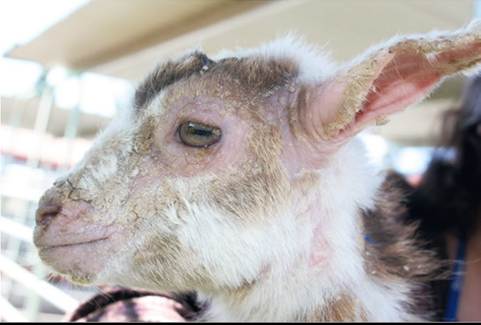
Color Plate 40.1 Two-month-old Nigerian Dwarf Goat doe kid with pemphigus foliaceus.
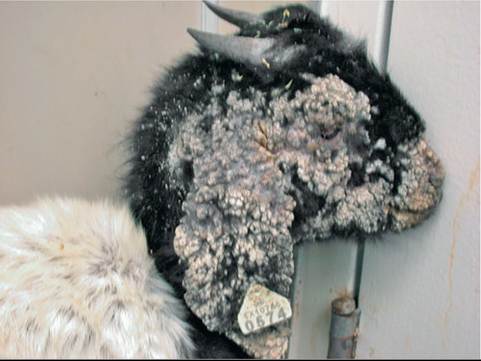
Color Plate 40.4 Four-month-old Spanish goat doe with dermatophilus.
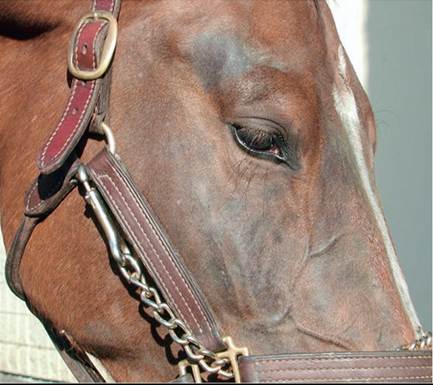
Color Plate 40.2 Two-year-old Dutch Warm Blood with alopecia areata.
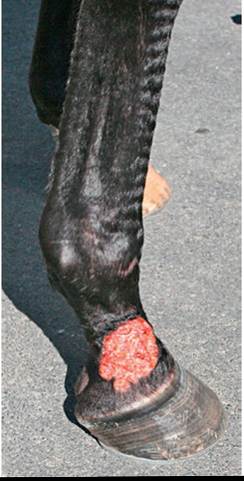
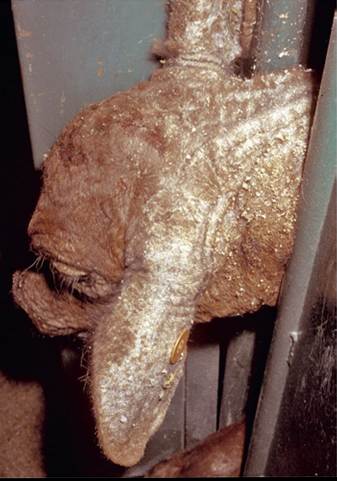
Color Plate 40.5 Range calf with dermatophilus.
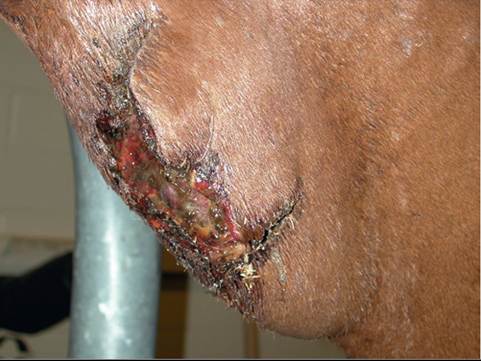
Color Plate 40.3 Five-year-old Thoroughbred stallion with severe vasculitis.
Color Plate 40.6 Corynebacterium pseudotuberculosis abscess on a horse’s neck.
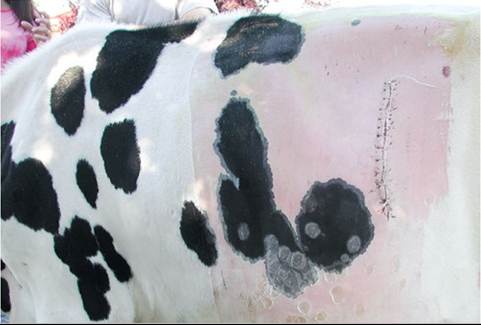
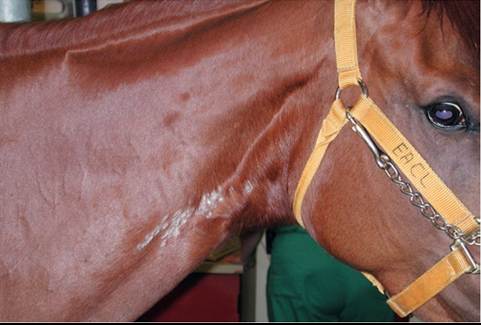
Color Plate 40.10 Linear keratosis in a horse’s jugular furrow.
Color Plate 40.7 Dermatophytosis on trunk of a Holstein cow. Lesions occurred after abdominal surgery.
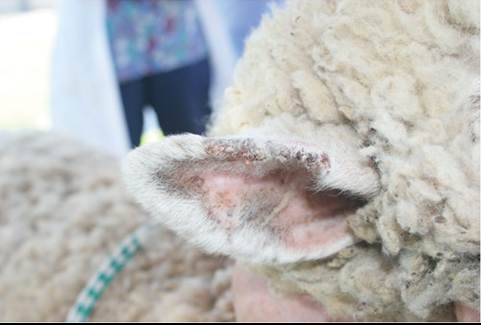
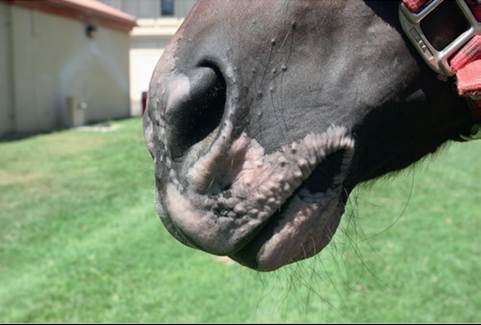
Color Plate 40.11 Vitiligo in a 5-year-old Quarter Horse.
Color Plate 40.8 Scale and crust on a sheep’s ear from biting flies, leading to eosinophilic dermatitis.
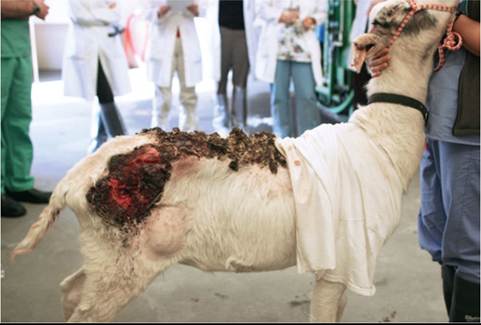
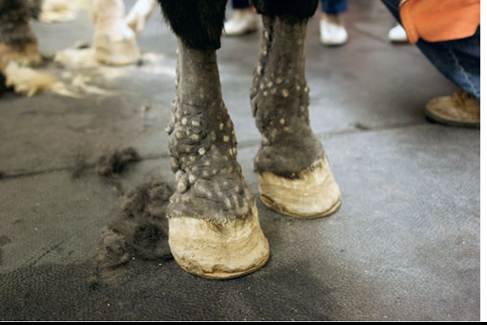
Color Plate 40.9 Widespread squamous cell carcinoma on a goat’s dorsum.
Color Plate 40.12 Chronic progressive lymphedema in a Gypsy Vanner horse.