REFERENCES
The complete list of references can be found at www.expertconsult.com.
REFERENCES
Disorders Caused by Toxicants
1. NIH Veterinary Science Search and Veterinary Information Resources.
Available at: https://www.nlm.nih.gov/services/queries/veterinarymed.html. (Accessed 28 April 2018).2. Osweiler GD, Poppenga RH: Information resources for toxicology. In Hovda LR, Brutlag AG, Poppenga RH, et al, editors: Blackwells five-minute veterinary consult clinical companion: small animal toxicology, ed 2, Ames, IA, 2016, Wiley-Blackwell, pp 905-912.
3. Poppenga RH: Toxicologic diagnostics. In Pusterla N, Higgins J, editors: Interpretation of equine laboratory diagnostics, Hoboken, NJ, 2018, Wiley- Blackwell, pp 99-102. Oct 5:99.
4. Linardi RL, Natalini CC, Kousoulas KG, et al: Multi-drug resistance (MDR1) gene identification and sequence in horses (abstract), J Fed Am Soc Exp Biol 23:797, 2009.
5. Tyden E, Tallkvist J, Tjalve H, et al: P-glycoprotein in intestines, liver, kidney and lymphocytes in horse, J Vet Pharmacol Ther 32:167, 2009.
6. Puschner BP, Galey FD: Diagnosis and approach to poisoning in the horse, Vet Clin North Am Equine Pract 17:399, 2001.
7. Osweiler GD: Diagnostic guidelines for ruminant toxicosis, Vet Clin North Am Food Anim Pract 27:247, 2011.
Poisonous Plants
1. Panter KE, Ralphs MH, Pfister JA, et al: Plants poisonous to livestock in the western states, 2011. United States Department of Agriculture, Agricultural Research Service. Agricultural Information Bulletin 415. [WWW page]. http://www.ars.usda.gov/is/np/PoisonousPlants/Poisonous- Plants.pdf. (Accessed 3 March 2018).
2. Zhao M, Gao X, Wang J, et al: A review of the most economically important poisonous plants to the livestock industry on temperate grasslands of China, J Appl Toxicol 33:9, 2013.
3. Cope R, Parton K: Poisonous plants of Australia and New Zealand.
In Gupta RC, editor: Veterinary toxicology. Basic and clinical principles, ed 2, New York, NY, 2012, Academic Press, pp 1095-1112.4. Riet-Correa F, Medeiros RMT: Intoxicaςδes por plantas em ruminantes no Brasil e no Uruguai: importancia economica, controle e riscsos para a saude publica, Pesqui Vet Bras 21:38, 2001.
5. Bischoff K, Smith MC: Toxic plants of the northeastern United States, In Osweiler GD (ed), Ruminant toxicology, Vet Clin North Am Food Anim Pract 27(2):459-480, 2011. WB Saunders, Philadelphia, PA.
6. Norman TE, Chaffin MK, Norton PL, et al: Concurrent ivermectin and Solanum spp. toxicosis in a herd of horses, J Vet Intern Med 26: 1439, 2012.
7. Osweiler GD: Diagnostic guidelines for ruminant toxicoses, In Osweiler GD (ed), Ruminant toxicology, Vet Clin North Am Food Anim Pract 27(2):247-254, 2011. WB Saunders, Philadelphia, PA.
8. White ME: Consultant. [WWW page]. http://www.vet.cornell.edu/con- sultant/consult.asp. (Accessed 3 March 2018).
9. Stegelmeier BL: Identifying plant poisoning in livestock: diagnostic approaches and laboratory tests, In Osweiler GD (ed), Ruminant toxicology, Vet Clin North Am Food Anim Pract 27(2):407-417, 2011. WB Saunders, Philadelphia, PA.
10. Knight AP, Walter RG: A guide to plant poisoning of animals in North America, 2001. Teton News Media, Jackson, WY.
11. Burrows GE, Tyrl RL: Toxic plants of North America, Ames, IA, 2001, Iowa State University Press.
12. Gupta RC, editor: Veterinary toxicology. Basic and clinical principles, ed 2, New York, NY, 2012, Academic Press.
13. United States Department of Agriculture, Natural Resources Conservation Services: Plant Database. [WWW page]. http://plants.usda.gov/java. (Accessed 3 March 2018).
14. United States Department of Agriculture, Agricultural Research Service, Poisonous Plants Research Laboratory: [WWW page]. http://www.pprl. ars.usda.gov/. (Accessed 3 March 2018).
15. Knight AP: Guide to poisonous plants, 2012. [WWW page]. http://www.
vth.colostate.edu/poisonous_plants/index.cfm?countno=NO. (Accessed 3 March 2018).16. Canadian Poisonous Plants Information System: [WWW page]. http:// www.cbif.gc.ca/eng/species-bank/canadian-poisonous-plants-information- system/canadian-poisonous-plants-information-system/?id=1370403266274. (Accessed 3 March 2018).
17. Welch KD, Panter KE, Gardner DR, et al: The acute toxicity of the death camas (Zigadenus species) alkaloid zygacine in mice, including the effect of methyllycaconitine coadministration on zygacine toxicity, J Anim Sci 89:1650, 2011.
18. Lee ST, Cook D, Riet-Correa F, et al: Detection of monofluoroacetate in Palicourea and Amorimia species, Toxicon 60:791, 2012.
19. Anadon A, Martinez-Larranaga MR, Castellano C: Poisonous plants of Europe. In Gupta RC, editor: Veterinary toxicology. Basic and clinical principles, ed 2, New York, NY, 2012, Academic Press, pp 1080-1094.
20. Reyers F, Naude TW: Oxalate-containing plants. In Gupta RC, editor: Veterinary toxicology. Basic and clinical principles, ed 2, New York, NY, 2012, Academic Press, pp 1128-1139.
21. Panter KE, Gardner DR, Stegelmeier BL, et al: Water hemlock poisoning in cattle: ingestion of immature Cicuta maculata seed as the probable cause, Toxicon 57:157, 2011.
22. Ralphs MH, Cheney CD: Influence of cattle age, lithium chloride dose level and food type in the retention of food aversions, J Anim Sci 71:373, 1993.
23. Nicholson SS: Cyanogenic plants. In Gupta RC, editor: Veterinary toxicology. Basic and clinical principles, ed 2, New York, NY, 2012, Academic Press, pp 1113-1116.
24. McKenzie R, Gordon A, Burren B, et al: Alpaca plant poisonings: nitratenitrite and possible cyanide, Aust Vet J 82:630, 2004.
25. Evans TJ: Diminished reproductive performance and selected toxicants in forages and grains, In Osweiler GD (ed), Ruminant toxicology, Vet Clin North Am Food Anim Pract 27:345-371, 2011. WB Saunders, Philadelphia, PA.
26. Nicholson SS: Nitrate and nitrite accumulating plants.
In Gupta RC, editor: Veterinary toxicology. Basic and clinical principles, ed 2, New York, NY, 2012, Academic Press, pp 117-1127.27. Casteel SW, Evans TJ: Nitrate. In Plumlee KH, editor: Clinical veterinary toxicology, St Louis, MO, 2004, Mosby, pp 127-130.
28. Zraly Z, Bendova J, Svecova D, et al: Effects of oral intake of nitrates on reproductive functions of bulls, Vet Med (Praha) 42:345, 1997.
29. Allen AL, Doige CE, Fretz PB, et al: Hyperplasia of the thyroid gland and concurrent musculoskeletal deformities in western Canadian foals: reexamination of a previously described syndrome, Can Vet J 35:31, 1994.
30. Allen AL, Townsend HG, Doige CE, et al: A case-control study of the congenital hypothyroidism and dysmaturity syndrome of foals, Can Vet J 37:349, 1996.
31. Slenning BD, Galey FD, Anderson M: Forage related nitrate toxicoses possibly confounded by non-protein nitrogen and monesin in the diet used at a dairy heifer replacement operation, J Am Vet Med Assoc 198:867, 1991.
32. Domange C, Casteignau A, Collignon G, et al: Longitudinal study of Australia stringhalt cases in France, J Anim Physiol Anim Nutr (Berl) 94:712,
2010.
33. Riet-Correa F, Barros SS, Mendes MC, et al: Axonal degeneration in sheep caused by the ingestion of Halimium brasiliense, J Vet Diagn Invest 21:478, 2009.
34. Bandarra PM, Pavarini SP, Raymundo DL, et al: Trema micrantha toxicity in horses in Brazil, Equine Vet J 42:456, 2010.
35. Naidoo V: Datura species and related plants. In Gupta RC, editor: Veterinary toxicology. Basic and clinical principles, ed 2, New York, NY, 2012, Academic Press, pp 1152-1160.
36. Panter KE, Welch KD, Gardner DR, et al: Poisonous plants of the United States. In Gupta RC, editor: Veterinary toxicology. Basic and clinical principles, ed 2, New York, NY, 2012, Academic Press, pp 1031-1079.
37. Cawdell-Smith AJ, Scrivener CJ, Bryden WL: Staggers in horses grazing paspalum infected with Claviceps paspali, Aust Vet J 88:393, 2010.
38. Johnstone LK, Mayhew IG, Fletcher LR: Clinical expression of lolitrem B (perennial ryegrass) intoxication in horses, Equine Vet J 44:304, 2012.
39. Cook D, Gardner DR, Welch KD, et al: Quantitative PCR method to measure the fungal endophyte in locoweeds, J Agric Food Chem 57:6050, 2009.
40. Durand R, Figuerdo JM, Mendoza E: Intoxication in cattle from Cestrum diurnum, Vet Hum Toxicol 41:26, 1999.
41. Stegelmeier BL, Davis TZ, Green BT, et al: Experimental rayless goldenrod (Isocoma pluriflora) toxicosis in goats, J Vet Diagn Invest 22:570, 2010.
42. Evans TJ, Gupta RC: Tremorgenic mycotoxins. In Gupta RC, editor: Veterinary toxicology. Basic and clinical principles, ed 2, New York, NY, 2012, Academic Press, pp 1231-1238.
43. Valberg SJ, Sponseller BT, Hegeman AD, et al: Seasonal pasture myopathy/ atypical myopathy in North America associated with ingestion of hypoglycin A within seeds of the box elder tree, Equine Vet J 45:419, 2012.
44. van der Kolk JH, Wijnberg ID, Westermann CM, et al: Equine acquired multiple acyl-CoA dehydrogenase deficiency (MADD) in 14 horses associated with ingestion of maple leaves (Acer pseudoplatanus) covered with European tar spot (Rhytisma acerinum), Mol Genet Metab 101:289, 2010.
45. Unger-Torroledo L, Straub R, Lehmann CM, et al: Lethal toxin of Clostridium sordelli is associated with fatal equine atypical myopathy, Vet Microbiol 144:457, 2010.
46. van Galen G, Marcillaud Pitel C, Saegerman C, et al: European outbreaks of atypical myopathy in grazing equids (2006-2009): spatiotemporal distribution, history and clinical features, Equine Vet J 44:614, 2012.
47. Verheyen T, Decloedt A, De Clercq D, et al: Cardiac changes in horses with atypical myopathy, J Vet Intern Med 26:1019, 2012.
48. Sponseller BT, Valberg SJ, Schultz NE, et al: Equine multiple acyl-CoA dehydrogenase deficiency (MADD) associated with seasonal pasture myopathy in the Midwestern United States, J Vet Intern Med 26:1012, 2012.
49.
Verstraete B, Van Elst D, Steyn H, et al: Endophytic bacteria in toxic South African plants: identification, phylogeny and possible involvement in gousiekte, PLoS ONE 6:e19265, 2011.50. Zoltani CZ: Cardiovascular toxicity. In Gupta RC, editor: Veterinary toxicology. Basic and clinical principles, ed 2, New York, NY, 2012, Academic Press, pp 235-245.
51. Woods LW, Filigenzi MS, Booth MC, et al: Summer pheasant’s eye (Adonis aestivalis) poisoning in three horses, Vet Pathol 41:215, 2004.
52. Alward A, Corriher CA, Barton MH, et al: Red maple (Acer rubrum) leaf toxicosis in horses: a retrospective study of 32 cases, J Vet Intern Med 20:1197, 2006.
53. Binev R, Valchev I, Nikolov J: Clinical and pathological studies on intoxication in horses from freshly cut Jimson weed (Datura stramonium) - contaminated maize intended for ensiling, J S Afr Vet Assoc 77:215, 2006.
54. Stegelmeier BL, Sani Y, Pfister JA: Baccharis pteronioides toxicity in livestock and hamsters, J Vet Diagn Invest 21:208, 2009.
55. Martinson K, Hovda L, Murphy M: Plants poisonous or harmful to horses in the north central United States, 2007. University of Minnesota Extension Publication No. 08491.
56. Masuda EK, Kommers GD, Martins TB, et al: Morphological factors as indicators of malignancy of squamous cell carcinomas in cattle exposed naturally to bracken fern (Pteridium aquilinum), J Comp Pathol 144:48,
2011.
57. Collett MG, Thompson KG, Christie RJ: Photosensitisation, crystal- associated cholangiohepathopathy, and acute renal tubular necrosis in calves following ingestion of Phytolacca octandra (inkweed), N Z Vet J 59:147,
2011.
58. Oliveira-Filho JP, Cagnini DQ, Badial PR, et al: Hepatoencephalopathy syndrome due to Cassia occidentalis (Leguminosae, Caesalpinioideae) seed ingestion in horses, Equine Vet J 45:240, 2012.
59. Welch KD, Gardner DR, Pfister JA, et al: A comparison of the metabolism of the abortifacient compounds from ponderosa pine needles in conditioned versus naive cattle, J Anim Sci 90:4611, 2012.
60. Riet-Correa F, Medeiros RH, Schild AL: A review of poisonous plants that cause reproductive failure and malformations in the ruminants of Brazil, J Appl Toxicol 32:245, 2012.
61. Lee ST, Panter KE, Pfister JA, et al: The effect of body condition on serum concentrations of two teratogenic alkaloids (anagyrine and ammo- dendrine) from lupines (Lupinus species) that cause crooked calf disease, J Anim Sci 86:2771, 2008.
62. Silva CA, Merkt H, Bergamo PN, et al: Consequence of excess iodine supply in a Thoroughbred stud in southern Brazil, J Reprod Fertil Suppl 35:529, 1987.
63. Nicholson SS: Ergot. In Gupta RC, editor: Veterinary toxicology. Basic and clinical principles, ed 2, New York, NY, 2012, Academic Press, pp 1200-1204.
64. Evans TJ, Blodgett DJ, Rottinghaus GE: Fescue toxicosis. In Gupta RC, editor: Veterinary toxicology. Basic and clinical principles, ed 2, New York, NY,
2012, Academic Press, pp 1166-1177.
65. Naude TW, Botha CJ, Vorster JH, et al: Claviceps cyperi, a new cause of severe ergotism in dairy cattle consuming maize silage and teff hay contaminated with ergotised Cyperus esculentus (nut sedge) on the Highveld of South Africa, Onderstepoort J Vet Res 72:23, 2005.
66. Evans TJ: The endocrine disruptive effects of ergopeptine alkaloids on pregnant mares, In Toribio RE (ed), Endocrine diseases, Vet Clin North Am Equine Pract 27(1):165-173, 2011. WB Saunders, Philadelphia, PA.
67. Youngblood RC, Filipov NM, Rude BJ, et al: Effects of short-term early gestational exposure to endophyte-infected tall fescue diets on plasma 3,4-dihydroxylphenyl acetic acid and fetal development in mares, J Anim Sci 82:2919, 2004.
68. Cawdell-Smith AJ, Scrivener CJ, Bryden WL: Staggers in horses grazing paspalum infected with Claviceps paspali, Aust Vet J 88:393, 2010.
69. Bourke CA, Hunt E, Watson R: Fescue-associated oedema of horses grazing on endophyte-inoculated tall fescue grass (Festuca arundinacea) pastures, Aust Vet J 87:492, 2009.
70. Evans TJ: Endocrine alterations associated with ergopeptine alkaloid exposure during equine pregnancy, Vet Clin North Am Equine Pract 18(2):371-378, 2002. WB Saunders, Philadelphia, PA.
71. Thompson FN, Stuedemann JA, Hill NS: Anti-quality factors associated with alkaloids in eastern temperate pasture, J Range Manage 54: 474, 2001.
72. Nicholson SS: Southeastern plants toxic to ruminants, In Osweiler GD (ed), Ruminant toxicology, Vet Clin North Am Food Anim Pract 27(2):447-458, 2011. WB Saunders, Philadelphia, PA.
73. Geor RJ, Becker RK, Kanara EW, et al: Toxicosis in horses after ingestion of hoary alyssum, J Am Vet Med Assoc 201:63, 1992.
74. Hovda LR, Rose ML: Hoary alyssum (Berteroa incana) toxicity in a herd of broodmare horses, Vet Hum Toxicol 35:39, 1993.
75. Belknap JK: Black walnut extract: an inflammatory model, In Pollitt CC (ed), Advances in laminitis. Part 1, Vet Clin North Am Equine Pract 26(1):95-101, 2010. WB Saunders, Philadelphia, PA.
76. Herdt TH, Hoff B: The use of blood analysis to evaluate trace mineral status in ruminant livestock, n Osweiler GD (ed), Ruminant toxicology, Vet Clin North Am Food Anim Pract 27(2):255-283, 2011. IWB Saunders, Philadelphia, PA.
77. Raisbeck MF, Riker SL, Tate CM, et al:. Water quality for Wyoming livestock and wildlife, a review of the literature pertaining to health effects of inorganic contaminants, 2008. University of Wyoming Department of Veterinary Sciences, UW Department of Renewable Resources, Wyoming Game and Fish Department, Wyoming Department of Environmental Quality, B-1183. [WWW page]. http://www.wyomingextension.org/agpubs/ pubs∕B1183.pdf. (Retrieved 3 March 2018).
78. National Research Council: Mineral tolerance of animals, ed 2, Washington, DC, 2005, National Academy Press.
79. Bischoff K, Smith MC: Toxic plants of the northeastern United States, In Osweiler GD (ed), Ruminant toxicology, Vet Clin North Am Food Anim Pract 27(2):459-480, 2011. WB Saunders, Philadelphia, PA.
80. Reyers F, Naude TW: Oxalate-containing plants. In Gupta RC, editor: Veterinary toxicology. Basic and clinical principles, ed 2, New York, NY, 2012, Academic Press, pp 1128-1139.
81. Fairley RA, Williams SJ, Finnigan CE, et al: The occurrence of hypocalaemia in mid lactation dairy cattle after the consumption of large amounts of fat-hen (Chenopodium album), N Z Vet J 60:261, 2012.
82. Cao L, Honeyman TW, Cooney R, et al: Mitochondrial dysfunction is a primary event in renal cell oxalate toxicity, Kidney Int 66:1890, 2004.
Cyanobacteria
1. O’Neil JM, Davis TW, Burford MA, et al: The rise of harmful cyanobacteria blooms: the potential roles of eutrophication and climate change, Harmful Algae 14:313-334, 2012.
2. Dolman AM, Rucker J, Pick FR, et al: Cyanobacteria and cyanotoxins: the influence of nitrogen versus phosphorus, PLoS ONE 7:e38757, 2012.
3. Mez K, Beattie KA, Codd GA, et al: Identification of a microcystin in benthic cyanobacteria linked to cattle deaths on alpine pastures in Switzerland, Eur J Phycol 32:111-117, 1997.
4. Briand E, Yepremian C, Humbert JF, et al: Competition between microcystin-and non-microcystin-producing Planktothrix agardhii (cyanobacteria) strains under different environmental conditions, Environ Microbiol 10:3337-3348, 2008.
5. Vezie C, Brient L, Sivonen K, et al: Variation of microcystin content of cyanobacterial blooms and isolated strains in Lake Grand-Lieu (France), Microb Ecol 35:126-135, 1998.
6. Francis G: Poisonous Australian lake, Nature 18:11-12, 1878.
7. Fitzgerald SD, Poppenga RH: Toxicosis due to microcystin hepatotoxins in 3 holstein heifers, J Vet Diagn Invest 5:651-653, 1993.
8. Naegeli H, Sahin A, Braun U, et al: [Sudden death of Alpine cattle in the canton Graubunden], Schweiz Arch Tierheilkd 139:201-209, 1997.
9. Puschner B, Hoff B, Tor ER: Diagnosis of antitoxin-a poisoning in dogs from North America, J Vet Diagn Invest 20:89-92, 2008.
10. Puschner B, Pratt C, Tor ER: Treatment and diagnosis of a dog with fulminant neurological deterioration due to anatoxin-a intoxication, J Vet Emerg Crit Care (San Antonio) 20:518-522, 2010.
11. Wood SA, Selwood AI, Rueckert A, et al: First report of homoanatoxin-a and associated dog neurotoxicosis in New Zealand, Toxicon 50:292-301,
2007.
12. Stewart I, Seawright AA, Shaw GR: Cyanobacterial poisoning in livestock, wild mammals and birds-an overview, Adv Exp Med Biol 619:613-637,
2008.
13. Nasri AB, Bouaicha N, Fastner J: First report of a microcystin-containing bloom of the cyanobacteria Microcystis spp. in Lake Oubeira, eastern Algeria, Arch Environ Contam Toxicol 46:197-202, 2004.
14. Carmichael WW, Li R: Cyanobacteria toxins in the Salton Sea, Saline Systems 2:5, 2006.
15. Galey FD, Beasley VR, Carmichael WW, et al: Blue-green algae (Microcystis aeruginosa) hepatotoxicosis in dairy cows, Am J Vet Res 48:1415-1420,
1987.
16. Puschner B, Galey FD, Johnson B, et al: Blue-green algae toxicosis in cattle, J Am Vet Med Assoc 213:1605-1607, 1571, 1998.
17. Hooser SB, Beasley VR, Lovell RA, et al: Toxicity of microcystin LR, a cyclic heptapeptide hepatotoxin from Microcystis aeruginosa, to rats and mice, Vet Pathol 26:246-252, 1989.
18. Roegner AF, Brena B, Gonzalez-Sapienza G, et al: Microcystins in potable surface waters: toxic effects and removal strategies, J Appl Toxicol 34:441-457, 2014.
19. Buratti FM, Manganelli M, Vichi S, et al: Cyanotoxins: producing organisms, occurrence, toxicity, mechanism of action and human health toxicological risk evaluation, Arch Toxicol 91:1049-1130, 2017.
20. Carbis C, Simons J, Mitchell G, et al: A biochemical profile for predicting the chronic exposure of sheep to Microscystis aeruginosa, an hepatotoxic species of blue-green alga, Res Vet Sci 57:310-316, 1994.
21. Mittelman N, Engiles J, Murphy L, et al: Presumptive Iatrogenic Microcystin-Associated Liver Failure and Encephalopathy in a Holsteiner Gelding, J Vet Intern Med 30:1747-1751, 2016.
22. Giannuzzi L, Sedan D, Echenique R, et al: An acute case of intoxication with cyanobacteria and cyanotoxins in recreational water in Salto Grande Dam, Argentina, Mar Drugs 9:2164-2175, 2011.
23. Wood SA, Dietrich DR: Quantitative assessment of aerosolized cyano- bacterial toxins at two New Zealand lakes, J Environ Monit 13:16171624, 2011.
24. Bogialli S, Bruno M, Curini R, et al: Simple assay for analyzing five microcystins and nodularin in fish muscle tissue: hot water extraction followed by liquid chromatography-tandem mass spectrometry, J Agric Food Chem 53:6586-6592, 2005.
25. Chen J, Zhang D, Xie P, et al: Simultaneous determination of microcystin contaminations in various vertebrates (fish, turtle, duck and water bird) from a large eutrophic Chinese lake, Lake Taihu, with toxic Microcystis blooms, Sci Total Environ 407:3317-3322, 2009.
26. Ott JL, Carmichael WW: LC/ESI/MS method development for the analysis of hepatotoxic cyclic peptide microcystins in animal tissues, Toxicon 47:734-741, 2006.
27. Orr PT, Jones GJ, Hunter RA, et al: Exposure of beef cattle to sub-clinical doses of Microcystis aeruginosa: toxin bioaccumulation, physiological effects and human health risk assessment, Toxicon 41:613-620, 2003.
2 8. Orr PT, Jones GJ, Hunter RA, et al: Ingestion of toxic Microcystis aeruginosa by dairy cattle and the implications for microcystin contamination of milk, Toxicon 39:1847-1854, 2001.
29. Gugger M, Lenoir S, Berger C, et al: First report in a river in France of the benthic cyanobacterium Phormidium favosum producing anatoxin-a associated with dog neurotoxicosis, Toxicon 45:919-928, 2005.
30. Puschner B, Hoff B, Tor ER: Diagnosis of anatoxin-a poisoning in dogs from North America, J Vet Diagn Invest 20:89-92, 2008.
31. Puschner B, Pratt C, Tor ER: Treatment and diagnosis of a dog with fulminant neurological deterioration due to anatoxin-a intoxication, J Vet Emerg Crit Care (San Antonio) 20:518-522, 2010.
32. Thomas P, Stephens M, Wilkie G, et al: (+)-Anatoxin-a is a potent agonist at neuronal nicotinic acetylcholine receptors, J Neurochem 60:2308-2311, 1993.
33. Cook WO, Iwamoto GA, Schaeffer DJ, et al: Pathophysiologic effects of anatoxin-a(s) in anaesthetized rats: the influence of atropine and artificial respiration, Pharmacol Toxicol 67:151-155, 1990.
34. Mereish KA, Solow R: Interaction of microcystin-LR with SuperChar: water decontamination and therapy, J Toxicol Clin Toxicol 27:271280, 1989.
35. Mereish KA, Solow R: Effect of antihepatotoxic agents against microcystin- LR toxicity in cultured rat hepatocytes, Pharm Res 7:256-261, 1990.
36. Hyde EG, Carmichael WW: Anatoxin-a(s), a naturally occurring organophosphate, is an irreversible active site-directed inhibitor of acetylcholinesterase (EC 3.1.1.7), J Biochem Toxicol 6:195-201, 1991.
Mycotoxins
1. Cheeke PR, Shull LR: Natural toxicants in feeds and poisonous plants, ed 2, Danville, IL, 1998, Interstate Publishers.
2. Council for Agricultural Science and Technology (CAST): Mycotoxins: risks in plant, animal, and human systems, 2003. CAST, Ames, IA.
3. Galey FD: Plants and other natural toxicants. In Smith BP, editor: Large animal internal medicine, ed 4, St Louis, MO, 2009, Mosby.
4. Evans TJ: Diminished reproductive performance and selected toxicants in forages and grains, Vet Clin North Am Food Anim Pract 27:345, 2011.
5. Casteel SW, Rottinghaus GE, Johnson GC, et al: Liver disease in cattle induced by consumption of moldy hay, Vet Hum Toxicol 37:248, 1995.
6. Meerdink GL: Aflatoxins. In Plumlee KH, editor: Clinical veterinary toxicology, St Louis, MO, 2004, Mosby.
7. Whitaker TB, Slate AB, Johansson AS: Sampling feeds for mycotoxin analysis. In Diaz DE, editor: The mycotoxin blue book, Nottingham, UK, 2005, Nottingham University Press.
8. Osweiler GD: Toxicology, Philadelphia, PA, 1996, Williams & Wilkins.
9. Carlson MP, Ensley SM: Use of feed contaminated with fungal (mold) toxins (mycotoxins), 2003. [WWW page]. http://ianrpubs.unl.edu/live/ g1514∕build∕g1514.pdf. (Accessed 20 June 2013).
10. Wu F, Stacy SL, Kensler TW: Global risk assessment of aflatoxins in maize and peanuts: are regulatory standards adequately protective? Toxicol Sci 135:251, 2013.
11. Coppock RW, Reynolds RD, Buck WB, et al: Acute aflatoxicosis in feeder pigs, resulting from improper storage of corn, JAm Vet MedAssoc 195:1380,
1989.
12. Osweiler GD, Trample DW: Aflatoxicosis in feedlot cattle, J Am Vet Med Assoc 187:636, 1985.
13. Ray AC, Abbitt B, Cotter SR, et al: Bovine abortion and death associated with consumption of aflatoxin-contaminated peanuts, J Am Vet Med Assoc 188:1187, 1986.
14. Colvin BM, Harrison LR, Gosser HS, et al: Aflatoxicosis in feeder cattle, J Am Vet Med Assoc 184:956, 1984.
15. Panangala VS, Gianbrone JJ, Diener UL, et al: Effects of aflatoxin on the growth performance and immune responses of weanling swine, Am J Vet Res 47:2062, 1986.
16. Cook WO, Richard JL, Osweiler JD, et al: Clinical and pathologic changes in acute bovine aflatoxicosis: rumen motility and tissue and fluid concentrations of aflatoxins B1 and M1, Am J Vet Res 47:1817, 1986.
17. Agnes VF, Akbarsha MA: Spermatotoxic effect of aflatoxin B-1 in the albino mouse, Food Chem Toxicol 41:119, 2003.
18. Van Vleet TR, Klein PJ, Coulombe RA, Jr: Metabolism and cytotoxicity of aflatoxin B-1 in cytochrome P-450-expressing human lung cells, J Toxicol Environ Health A 65:853, 2002.
19. Angsubhakorn S, Poomvises B, Romruen K, et al: Aflatoxicosis in horses, J Am Vet Med Assoc 178:274, 1981.
20. Beaver RW, Wildom DM, James MA, et al: Distribution of aflatoxins in tissues of growing pigs fed an aflatoxin-contaminated diet amended with a high-affinity aluminosilicate sorbent, Vet Hum Toxicol 32:16, 1990.
21. Harvey RB, Kubena LF, Phillips TD, et al: Prevention of aflatoxicosis by addition of hydrated sodium calcium aluminosilicate to the diets of growing barrows, Am J Vet Res 50:416, 1989.
22. Harvey RB, Phillips TD, Ellis JA, et al: Effects on aflatoxin M1 residues in milk by addition of hydrated sodium calcium aluminosilicate to aflatoxin- contaminated diets of dairy cows, Am J Vet Res 52:1556, 1991.
23. Phillips TD: Dietary clay in the chemoprevention of aflatoxin-induced disease, Toxicol Sci 52(2 Suppl):118, 1999.
24. Afriyie-Gyawu E, Mackie J, Dash B, et al: Chronic toxicological evaluation of dietary NovaSil clay in Sprague-Dawley rats, Food Addit Contam 22:259,
2005.
25. Villar D, Carson TL: Trichothecene mycotoxins. In Plumlee KH, editor: Clinical veterinary toxicology, St Louis, MO, 2004, Mosby, p 270.
26. Cote LM, Reynolds JD, Vesonder RF, et al: Survey of vomitoxin- contaminated feed grains in midwestern United States, and associated health problems in swine, J Am Vet Med Assoc 184:189, 1984.
27. Mostrom MS, Raisbeck MF: Trichothecenes. In Gupta RC, editor: Veterinary toxicology. Basic and clinical principles, ed 2, New York, NY, 2012, Academic Press/Elsevier, p 1239.
28. Korosteleva SN, Smith TK, Boermans HJ: Effects of feedborne Fusarium mycotoxins on the performance, metabolism, and immunity of dairy cows, J Dairy Sci 90:3867, 2007.
29. Korosteleva SN, Smith TK, Boermans HJ: Effects of feed naturally contaminated with Fusarium mycotoxins on metabolism and immunity of dairy cows, J Dairy Sci 92:1585, 2009.
30. Colella C: A critical reconsideration of biomedical and veterinary applications of natural zeolites, Clay Min 46:295, 2011.
31. Avantaggiato G, Solfrizzo M, Visconti A: Recent advances on the use of adsorbent materials for detoxification of Fusarium mycotoxins, Food Addit Contam 22:379, 2005.
32. Kolosova A, Stroka J: Evaluation of the effect of mycotoxin binders in animal feed on the analytical performance of standardised methods for the determination of mycotoxins in feed, Food Addit Contam Part A Chem Anal Control Expo Risk Assess 29:1959, 2012.
33. Gupta RC, Mostrom MS, Evans TJ: Zearalenone. p 995. In RC Gupta (ed), Veterinary Toxicology: Basic and Clinical Principles, ed 3. Academic Press/Elsevier, New York, NY.
34. Tatay E, Espfn S, Garcfa-Fernandez AJ, et al: Estrogenic activity of zearalenone, α-zearalenol and β-zearalenol assessed using the E-screen assay in MCF-7 cells, Toxicol Mech Methods 28(4):239, 2018.
35. Weaver GA, Kurtz HJ, Behrens JC, et al: Effect of zearalenone on the fertility of virgin dairy heifers, Am J Vet Res 47:395, 1986.
36. Jouany J-P, Diaz DE: Effects of mycotoxins in ruminants. In Diaz DE, editor: The mycotoxin blue book, Nottingham, UK, 2005, Nottingham University Press, p 295.
37. Smith GW, Constable PD: Fumonisin. In Plumlee KH, editor: Clinical veterinary toxicology, St Louis, MO, 2004, Mosby, p 250.
38. Osweiler GD, Ross PF, Wilson TM, et al: Characterization of an epizootic of pulmonary edema in swine associated with fumonisin in corn screenings, J Vet Diagn Invest 4:53, 1992.
39. Wang E, et al: Inhibition of sphingolipid biosynthesis by fumonisins, J Biol Chem 266:14486, 1991.
40. Thiel PG, Shephard GS, Sydenham EW, et al: Levels of fumonisins B1 and B2 in feeds associated with confirmed cases of equine leukoencepha- lomalacia, J Agric Food Chem 39:109, 1991.
41. Ross PF, Ledet AE, Owens DL, et al: Experimental equine leukoencepha- lomalacia, toxic hepatosis, and encephalopathy caused by corn naturally contaminated with fumonisins, J Vet Diagn Invest 5:69, 1993.
42. Wilson TM, Ross PF, Rice LG, et al: Fumonisin B1 levels associated with an epizootic of equine leukoencephalomalacia, J Vet Diagn Invest 2:213,
1990.
43. Casteel SW, Turk JR, Cowart RP, et al: Chronic toxicity of fumonisin in weanling pigs, J Vet Diagn Invest 5:413, 1993.
44. Guzman RE, Casteel SW, Rottinghaus GE, et al: Chronic consumption of fumonisins derived from Fusarium moniliforme culture material: clinical and pathologic effects in swine, J Vet Diagn Invest 9:216, 1997.
45. Posa R, Donko T, Bogner P, et al: Interaction of Bordetella Bronchiseptica, Pasteurella multocida, and fumonisin B1 in the porcine respiratory tract as studied by computed tomography, Can J Vet Res 75:176, 2011.
46. Strickland JR, Looper ML, Mathews JC, et al: Board-invited review: St. Anthony’s Fire in livestock: causes, mechanisms, and potential solutions, J Anim Sci 89:1603, 2011.
47. Evans TJ, Rottinghaus GE, Casteel SW: Ergot. In Plumlee KH, editor: Clinical veterinary toxicology, St Louis, MO, 2004, Mosby, p 239.
48. Roberts CA, Kallenbach RL, Hill NS, et al: Ergot alkaloid concentrations in tall fescue hay during production and storage, Crop Sci 49: 1496, 2009.
49. Cross DL, Redmond LM, Strickland JR: Equine fescue toxicosis: signs and solutions, J Anim Sci 73:899, 1995.
50. Evans TJ: Endocrine disruptive effects of ergopeptine alkaloids on pregnant mares, Vet Clin North Am Equine Pract 27:165, 2011.
51. Gupta RC, Evans TJ, Nicholson SS: Ergot and fescue toxicosis, p 995. In RC Gupta (ed), Veterinary Toxicology: Basic and Clinical Principles, ed
3. Academic Press/Elsevier, New York, NY.
52. Hill NS, Thompson FN, Stuedemann JA, et al: Ergot alkaloid transport across ruminant gastric tissues, J Anim Sci 79:542, 2001.
53. Rottinghaus GE, Garner G, Cornell C, et al: An HPLC method for quantitating ergovaline in endophyte-infested tall fescue: seasonal variation of ergovaline levels in stems with leaf sheaths, leaf blades, and seed heads, J Agric Food Chem 39:112, 1991.
54. Rottinghaus GE, Schultz LM, Ross PF, et al: An HPLC method for the detection of ergot in ground and pelleted feeds, J Vet Diagn Invest 5:242, 1993.
55. Young JC: Variability in the content and composition of alkaloids found in Canadian ergot I: rye, J Environ Sci Health B B16:83, 1981.
56. Young JC: Variability in the content and composition of alkaloids found in Canadian ergot II: wheat, J Environ Sci Health B B16:381, 1981.
57. Young JC, Chen Z-J: Variability in the content and composition of alkaloid found in Canadian ergot III: triticale and wheat, J Environ Sci Health B B17:93, 1982.
58. Evans TJ, Youngquist RS, Loch WE, et al: A comparison of the relative efficacies of domperidone and reserpine in treating equine “fescue toxicosis”, Proc Am Assoc Equine Pract 45:207, 1999.
59. Dennis SB, Allen VG, Saker KE, et al: Influence of Neotyphodium coenophialum on copper accumulation in tall fescue, J Anim Sci 76:2687, 1998.
60. Burke JM, Spiers DE, Kojima FN, et al: Interaction of endophyte-infected fescue and heat stress on ovarian function in the beef heifer, Biol Reprod 65:260, 2001.
61. Schuenemann GM, Waller JC, Hopkins FM, et al: Effects of administration of ergotamine tartrate on fertility of yearling beef bulls, Theriogenology 63:1407, 2005.
62. Burke JM, Spiers DE, Kojima FN, et al: Reproductive responses of ram lambs under short-term exposure to endophyte-infected tall fescue seed, Small Rumin Res 66:12163, 2006.
63. Looper ML: Influence of toxic endophyte-infected fescue on sperm characteristics and endocrine factors of yearling Brahman-influenced bulls, J Anim Sci 87:1184, 2009.
64. Tor-Agbidye J, Blythe LL, Craig AM: Correlation of endophyte toxins (ergovaline and lolitrem B) with clinical disease: fescue foot and perennial ryegrass staggers, Vet Hum Toxicol 43:140, 2001.
65. Aiken GE, Strickland JR: Forages and pastures symposium: managing the tall fescue-fungal endophyte symbiosis for optimum forage-animal production, J Anim Sci 91:2369, 2013.
66. Curtis LE, Kallenbach RL, Roberts CA: Allocating forage to fall-calving cow-calf pairs strip-grazing stockpiled tall fescue, JAnim Sci 86:780, 2008.
67. Bourke CA, Hunt E, Watson R: Fescue-associated oedema of horses grazing on endophyte-inoculated tall fescue grass (Festuca arundinacea) pastures, Aust Vet J 87:492, 2009.
68. Campbell BT, Kojima CJ, Cooper TA, et al: A single nucleotide polymorphism in the dopamine receptor d2 gene may be informative for resistance to fescue toxicosis in angus-based cattle, Anim Biotechnol 25:1, 2014.
Snake Bites and Blister Beetle
1. Gilliam LL, Holbrook TC, Ownby CL, et al: Cardiotoxicity, inflammation, and immune response after rattlesnake envenomation in the horse, J Vet Intern Med 26:1457, 2012.
2. Fielding CL, Pusterla N, Magdesian KG, et al: Rattlesnake envenomation in horses: 58 cases (1992-2009), J Am Vet Med Assoc 238:631, 2011.
3. Dickinson CE, Traub-Dargatz JL, Dargatz DA, et al: Rattlesnake venom poisoning in horses: 32 cases (1973-1993), J Am Vet Med Assoc 208:1866, 1996.
4. Lawler JB, Frye MA, Bera MM, et al: Third-degree atrioventricular block in a horse secondary to rattlesnake envenomation, J Vet Intern Med 22:486, 2008.
5. Sonis JM, Hackett ES, Callan RJ, et al: Prairie rattlesnake envenomation in 27 New World camelids, J Vet Intern Med 27:1238, 2013.
6. Bamford NJ, Sprinkle SB, Cudmore LA, et al: Elapid snake envenomation in horses: 52 cases (2006-2016), Equine Vet J 50:196, 2018.
7. Tirosh-Levy S, Solomovich R, Comte J, et al: Daboia (Vipera) palaestinae envenomation in horses: clinical and hematological signs, risk factors for mortality and construction of a novel severity scoring system, Toxicon 137:58, 2017.
8. Gilliam LL, Ownby CL, McFarlane D, et al: Development of a double sandwich fluorescent ELISA to detect rattlesnake venom in biological samples from horses with a clinical diagnosis of rattlesnake bite, Toxicon 73:63-68, 2013.
9. Peterson ME, Matz M, Seibold K, et al: A randomized multicenter trial of Crotalidae polyvalent immune F(ab) antivenom for the treatment of rattlesnake envenomation in dogs, J Vet Emerg Crit Care (San Antonio) 21:335, 2011.
10. Dart RC, Frye MA, Bera MM, et al: A randomized multicenter trial of crotalinae polyvalent immune Fab (ovine) antivenom for the treatment for crotaline snakebite in the United States, Arch Intern Med 161:2030, 2001.
11. Helman RG, Edwards WC: Clinical features of blister beetle poisoning in equids: 70 cases (1983-1996), J Am Vet Med Assoc 211:1018, 1997.
12. Ray AC, Kyle AL, Murphy MJ, et al: Etiologic agents, incidence, and improved diagnostic methods of cantharidin toxicosis in horses, Am J Vet Res 50:187, 1989.
13. Pereira SR, Vasconcelos VM, Antunes A: The phosphoprotein phosphatase family of Ser/Thr phosphatases as principal targets of naturally occurring toxins, Crit Rev Toxicol 41:83, 2011.
14. Shawley LV, Rolf LL: Experimental cantharidiasis in the horse, Am J Vet Res 45:2261, 1984.
15. Ray AC, Post LO, Hurst JM, et al: Evaluation of an analytical method for the diagnosis of cantharidin toxicosis due to ingestion of blister beetles (Epicauta lemniscata) by horses and sheep, Am J Vet Res 41:932, 1980.
Metals and Other Inorganic Compounds
1. Tokar EJ, Boyd WA, Freedman JH, et al: Toxic effects of metals. In Klaassen CD, editor: Casarett and Doull' toxicology: the basic science of poisons, New York, 2013, McGraw Hill, pp 981-1030.
2. Ensley S: Arsenic. In Plumlee KH, editor: Clinical Veterinary Toxicology, St. Louis, 2004, Mosby, pp 193-195.
3. Neiger RD, Nelson N, Miskimins D, et al: Bovine arsenic toxicosis, J Vet Diag Invest 16:436, 2004.
4. Neiger RD: Arsenic. In Peterson ME, Talcott PA, editors: Small animal toxicology, ed 2, St. Louis, 2004, Saunders Elsevier, pp 592-602.
5. Neiger RD: Arsenic. In Tilley LP, Smith FWK, editors: Blackwell'five-minute veterinary consult, ed 4, Ames, 2007, Blackwell Publishing, p 101.
6. Vahidnia A, van der Voet GB, de Wolff FA: Arsenic neurotoxicity - a review, Hum Exp Toxicol 26:823, 2007.
7. Bahri LE, Romdane SB: Arsenic poisoning in livestock, Vet Hum Toxicol 33:259, 1991.
8. Valentine BA, Rumbeiha WK, Hensley TS, et al: Arsenic and metaldehyde toxicosis in a beef herd, J Vet Diagn Invest 19:212, 2007.
9. Boosinger TR, Riviere JE, Everson RJ: Arsenic-induced hemorrhagic enterocolitis in cattle (abstract 397), 1980. Proceedings of the American Association of Veterinary Laboratory Diagnosticians, Louisville, KY.
10. Ford M: Arsenic. In Flomenbaum NE, Howland MA, Goldfrank LR, et al, editors: Goldfrank' toxicologic emergencies, New York, 2006, McGraw-Hill, pp 1251-1264.
11. Galey FD: Arsenic toxicosis. In Howard JL, editor: Current veterinary therapy (food animal practice), ed 3, Philadelphia, PA, 1993, WB Saunders, pp 394-396.
12. Stair EL, Kirkpatrick JG, Whitenack DL, et al: Lead arsenate poisoning in a herd of beef cattle, J Am Vet Med Assoc 207:341, 1995.
13. Thatcher CD, Meldrum JB, Wikse SE, et al: Arsenic toxicosis and suspected chromium toxicosis in a herd of cattle, J Am Vet Med Assoc 187: 179, 1985.
14. Klasing KC, Goff JP, Greger JL, et al: Copper. In Mineral tolerance of animals, ed 2, Washington, DC, 2005, National Academies Press, pp 134-153.
15. Galey FD, Maas J, Tronstad RJ, et al: Copper toxicosis in two herds of beef calves following injection with copper disodium edetate, J Vet Diagn Invest 3:260, 1991.
16. Gough J: Copper poisoning in lambs fed horse and cattle feed, Can Vet J 32:750, 1991.
17. Junge RE, Thornburg L: Copper poisoning in four llamas, J Am Vet Med Assoc 195:987, 1989.
18. Kerr LA, McGavin HD: Chronic copper poisoning in sheep grazing pastures fertilized with swine manure, J Am Vet Med Assoc 198:99, 1991.
19. Perrin DJ, Schiefer HB, Blakley BR: Chronic copper toxicity in a dairy herd, Can Vet J 31:629, 1990.
20. Parada R, Gonzalez S, Bergqvist E: Industrial pollution with copper and other heavy metals in a beef cattle ranch, Vet Hum Toxicol 29:122, 1987.
21. Gummow B, Botha CJ, Basson AT, et al: Copper toxicity in ruminants: air pollution as a possible cause, Onderstepoort J Vet Res 58:33, 1991.
22. Banton MI, Nicholson SS, Jowett PL, et al: Copper toxicosis in cattle fed chicken litter, J Am Vet Med Assoc 191:827, 1987.
23. Sullivan JM, Janovitz EB, Robinson FR: Copper toxicosis in veal calves, J Vet Diagn Invest 3:161, 1991.
24. Jenkins KJ, Hidiroglou M: Tolerance of the calf for excess copper in milk replacer, J Dairy Sci 72:150, 1989.
25. Humphries WR, Morrice PC, Mitchell AN: Copper poisoning in Angora goats, Vet Rec 121:231, 1987.
26. Cornish J, Angelos J, Puschner B, et al: Copper toxicosis in a dairy goat herd, J Am Vet Med Assoc 231:586, 2007.
27. Osweiler GD, Carson TL, Buck WB, et al: Copper-molybdenum. In Clinical and diagnostic veterinary toxicology, ed 3, Dubuque, IA, 1985, Kendall Hunt, pp 87-103.
28. Wiener G: The genetics of copper metabolism in animals and man. In Howell JM, Gawthorne JM, editors: Copper in animals and man, Boca Raton, 1987, CRC Press Inc, pp 45-61.
29. Ward JD, Spears JW, Gengelbach GP: Differences in copper status and copper metabolism between Angus and Simmental cattle, J Anim Sci 73:571, 1995.
30. Moeller RB: Copper. In Plumlee KH, editor: Clinical veterinary toxicology, St Louis, MO, 2004, Mosby, pp 195-197.
31. Tremblay RRM, Baird JD: Chronic copper poisoning in two Holstein cows, Cornell Vet 81:205, 1991.
32. Bidewell CA, Livesey CT: Copper poisoning: an emerging disease in dairy cattle, State Vet J 12:16, 2002.
33. Bradley CH: Copper poisoning in a dairy herd fed a mineral supplement, Can Vet J 34:287, 1993.
34. Minervino AHH, Barreto RA, Genilson F, et al: Predictive values of aspartate aminotransferase and gamma-glutamyl transferase for the hepatic accumulation of copper in cattle and buffalo, J Vet Diagn Invest 20:791, 2008.
35. Humphries WR, Morrice PC, Bremner I: A convenient method for the treatment of chronic copper poisoning in sheep using subcutaneous ammonium tetrathiomolybdate, Vet Rec 123:51, 1988.
36. Symonds HW, Ke Y: Enhancement of tetrathiomolybdate-induced copper excretion in bile of sheep by the α,2-agonistic action of xylazine, Res Vet Sci 46:349, 1989.
37. Botha CJ, Naude TW, Swan GE, et al: The cupruretic effect of two chelators following copper loading in sheep, Vet Hum Toxicol 35:409, 1993.
38. Puls R: Iodine. In Mineral levels in animal health, ed 2, Clearbrook, BC, 1994, Sherpa International, pp 120-122.
39. Osweiler GD, Carson TL, Buck WB, et al: Iodine. In Clinical and diagnostic veterinary toxicology, ed 3, Dubuque, IA, 1985, Kendall Hunt, pp 145-151.
40. Klasing KC, Goff JP, Greger JL, et al: Iodine. In Mineral tolerance of animals, ed 2, Washington, DC, 2005, National Academies Press, pp 182-198.
41. Olson WG, Stevens JB, Anderson J, et al: Iodine toxicosis in six herds of dairy cattle, J Am Vet Med Assoc 184:179, 1984.
42. Hall JO: Iron toxicity. In Tilley LP, Smith FWK, editors: Blackwellelliry cattle, J Am Vet Med Assoc, ed 18, Ames, 2007, Blackwell Publishing, p 771.
43. Perrone J: Iron. In Flomenbaum NE, Howland MA, Goldfrank LS, et al, editors: Goldfranks toxicologic emergencies, ed 8, New York, 2007, McGraw- Hill, pp 627-637.
44. Divers TJ, Warner A, Vaala WE, et al: Toxic hepatic failure in newborn foals, J Am Vet Med Assoc 183:1407, 1983.
45. Ruhr LP, Nicholson SS, Confer AW, et al: Acute intoxication from a hematinic in calves, J Am Vet Med Assoc 182:616, 1983.
46. Holter JA, Carson TL, Witte ST: Acute iron intoxication in a herd of young bulls, J Vet Diag Invest 2:229, 1990.
47. Mullaney TP, Brown CM: Iron toxicity in neonatal foals, Equine Vet J 20:119, 1988.
48. Albretsen JC: Iron. In Plumlee H, editor: Clinical veterinary toxicology, St Louis, 2004, Mosby, pp 202-204.
49. Edens LM, Robertson JL, Feldman BF: Cholestatic hepatopathy, thrombocytopenia and lymphopenia associated with iron toxicity in a Thoroughbred gelding, Equine Vet J 25:81, 1993.
50. Ensley SM: Mercury. In Plumlee KH, editor: Clinical veterinary toxicology, St Louis, MO, 2004, Mosby, pp 210-211.
51. Markel MD, Dyer RM, Hattel AL: Acute renal failure associated with application of a mercuric blister, J Am Vet Med Assoc 185:92, 1984.
52. Schuh JCL, Ross C, Meschter C: Concurrent mercuric blister and dimethyl sulphoxide (DMSO) application as a cause of mercury toxicity in two horses, Equine Vet J 20:68, 1988.
53. Smith R, Morden BB, Ellis LB: Diphenylmercury poisoning in cattle, Can Vet J 33:135, 1992.
Medications, Therapeutic Agents, and Illicit Substances
1. Edwards IR: Adverse drug reactions: definitions, diagnosis, and management, Lancet 356:1255, 2000.
2. Occupational Safety & Health Administration: Health hazard criteria, 2008. [WWW page]. www.osha.gov/SLTC/hazardoustoxicsubstances/index.html. (Accessed 2 November 2012).
3. Davis JL: Adverse drug reactions. In Robinson NE, Sprayberry KA, editors: Current therapy equine practice, ed 6, Philadelphia, PA, 2009, WB Saunders, pp 1-6.
4. Brumbaugh GW: Adverse drug reactions in the horse, Vet Clin North Am Equine Pract 17:445, 2001.
5. Modric T, Modric S, Murphy M, et al: Safety of antibiotic drugs in food animals: comparison of findings from preapproval studies and post approval experience in the United States with safety information in published literature, Vet Clin North Am Food Anim Pract 27:389, 2011.
6. Bright SJ, Post LO: Veterinary antidotes and availability: an update. [WWW page]. http://www.abvt.org/public/docs/antidoteupdate08.pdf. (Accessed 15 October 2012).
7. Tjalve H: Adverse reactions to veterinary drugs reported in Sweden 19911995, J Vet Pharmacol Ther 20:105, 1997.
8. Riond JL, Riviere JE, Duckett WM, et al: Cardiovascular effects and fatalities associated with intravenous administration of doxycycline to horses and ponies, Equine Vet J 24:41, 1992.
9. Brihoum M, Amory H, Desmecht D, et al: Descriptive study of 32 cases of doxycycline-overdosed calves, J Vet Intern Med 24:1203, 2010.
10. Brihoum M, Rollin F, Desmecht D, et al: Clinical evaluation of cardiac effects of experimental doxycycline overdosing in healthy calves, BMC Vet Res 7:40, 2011.
11. Yamarik TA, Wilson WD, Wiebe VJ, et al: Pharmacokinetics and toxicity of ciprofloxacin in adult horses, J Vet Pharmacol Ther 33:587, 2010.
12. Magdesian KG: Update on common antimicrobials. In Robinson NE, Sprayberry KA, editors: Current veterinary therapy in equine medicine, ed 6, Philadelphia, PA, 2009, WB Saunders, pp 10-14.
13. Vivrett SL, Bostian A, Bermkingham E, et al: Quinolone induced arthropathy in neonatal foals, 2001, pp 376-377. Proceedings of the 47 th Annual AAEP Convention, San Diego, CA.
14. Rodriguez JS, Han S, Nielsen S, et al: Consequences of intrauterine enrofloxacin on mare endometrium, J Eq Vet Sci 32:106, 2012.
15. Epstein K, Cohen N, Boothe D, et al: Pharmacokinetics, stability, and retrospective analysis of use of an oral gel formulation of the bovine enrofloxacin in horses, Vet Ther 5:155, 2004.
16. Kaartinen L, Pyorala S, Moilanen M: Pharmacokinetics of enro- floxacin in newborn and one-week old calves, J Vet Pharmacol Ther 20: 479, 1997.
17. Thompson JA, Mirza MH, Barker SA, et al: Clenbuterol toxicosis in three Quarter Horse racehorses after administration of a compounded product, J Am Vet Med Assoc 239:842, 2011.
18. Wagner SA, Mostrom MS, Hammer CJ: Adverse effects of zilpaterol administration in horses: three cases, J Eq Vet Sci 28:238-243, 2008.
19. Plumb DL: Clenbuterol. In Plumb DL, editor: Plumbs veterinary drug handbook, ed 8, Ames, IA, 2015, Wiley-Blackwell, pp 236-237.
20. Soma LR, Eboh CE, Guan F, et al: Tissue distribution of clenbuterol in the horse, J Vet Pharmacol Ther 27:91, 2004.
21. Baird JD, Maylin GA: Adverse side effects in horses following the administration of fluphenazine decanoate, 2011, pp 57-61. Proceedings of the 57th Annual AAEP Forum, San Antonio, TX.
22. Baird JD, Arroyo LG, Vengust M, et al: Adverse extrapyramidal effects in four horses given fluphenazine decanoate, J Am Vet Med Assoc 229:104,
2006.
23. Brashier M: Fluphenazine toxicosis. In Robinson NE, Sprayberry KA, editors: Current therapy equine practice, ed 6, Philadelphia, PA, 2009, WB Saunders, pp 19-21.
24. Rodriguez-Palacios A, Quesada R, Baird J, et al: Presumptive fluphenazine induced hepatitis and urticaria in a horse, J Vet Intern Med 21:336, 2007.
25. Lloyd K, Tulleners E: Reserpine toxicosis in a horse, J Am Vet Med Assoc 186:980, 1985.
26. Memon MA, Usenik EA, Meyers PJ: Penile paralysis and paraphimosis associated with reserpine administration in a stallion, Theriogenology 30:411,
1988.
27. Bidwell LA, Schott HC, Derksen FJ: Reserpine toxicosis in an aged gelding, Eq Vet Educ 19:341, 2007.
28. Piercy RJ, Swardson CJ, Hinchcliff KW: Erythroid hypoplasia and anemia following administration of recombinant human erythropoietin to two horses, J Am Vet Med Assoc 212:244, 1998.
29. Lasne F, Popot M, Varlet-Marie E, et al: Detection of recombinant epoetin and darbepoetin alpha after subcutaneous administration in the horse, J Anal Toxicol 29:835, 2005.
30. McKeever KH, Agans JM, Geiser S, et al: Low dose exogenous erythropoietin elicits an ergogenic effect in Standardbred horses, Equine Vet J 38:233, 2006.
31. Cooper C, Sears W, Bienzle D: Reticulocyte changes after experimental anemia and erythropoietin treatment of horses, J Appl Physiol 99:915, 2005.
32. Scharzwald C, Hinchcliff KW: Recombinant human erythropoietin as a cause of non-regenerative anemia in a stable of racing Thoroughbreds, 2004, pp 270-271. Proceedings of the 50th AAEP Annual 50th Convention, Denver, CO.
33. Sommerville BA, Plumlee K: Acute isopropyl alcohol intoxication in a horse, Can Vet J 37:359, 1996.
34. Alsup EM, Debowes RM: Dimethyl sulfoxide, J Am Vet Med Assoc 185:1011, 1984.
35. Schuh JC, Ross C, Meschter C: Concurrent mercuric blister and dimethyl sulphoxide (DMSO) application as a cause of mercury toxicity in two horses, Equine Vet J 20:68, 1988.
36. Plumb DC: Docusate sodium/docusate calcium. In Plumbs veterinary drug handbook, ed 8, Ames, IA, 2015, Wiley-Blackwell, pp 351-352.
37. Milligan M, Beard W, Kukanich B, et al: The effect of lidocaine on postoperative jejunal motility in normal horses, Vet Surg 36:214, 2007.
38. Meyer GA, Lin HC, Hanson RR, et al: Effects of intravenous lidocaine overdose on cardiac electrical activity and blood pressure in the horse, Equine Vet J 33:434, 2001.
39. Maxie G, van Dreumel TV, McMaster D, et al: Menadione toxicity in six horses, Can Vet J 33:756, 1992.
40. Rebhun WC, Tennant BC, Dill SG, et al: Vitamin K3 induced renal toxicosis in the horse, J Am Vet Med Assoc 184:1237, 1984.
41. Dorman DC, Haschek WM: Fatal propylene glycol toxicosis in a horse, J Am Vet Med Assoc 198:1643, 1991.
42. Pintchuk PA, Galey FD, George LW: Propylene glycol toxicity in adult dairy cows, J Vet Intern Med 7:150, 1993.
43. Stangl GI, Schwarz FJ, Jahn B, et al: Cobalt-deficiency-induced hyperho- mocysteinamia and oxidative status of cattle, Br J Nutr 83:3, 2000.
44. Al-Habsi K, Johnson EH, Kadim I, et al: Effects of low concentrations of dietary cobalt on liveweight gains, haematology, serum vitamin B12 and biochemistry of Omani goats, Vet J 173:131, 2007.
45. Mitchell LM, Robinson JJ, Watt RG, et al: Effects of cobalt/vitamin B12 status in ewes on ovum development and lamb viability at birth, Reprod Fertil Dev 19:553, 2007.
46. Dickson J, Bond MP: Cobalt toxicity in cattle, Aust Vet J 50:236, 1974.
47. Knych HK, Arthur RM, Mitchell MM, et al: Pharmacokinetics and selected pharmacodynamics of cobalt following a single intravenous administration to horses. Drug Test, Analysis 7(7):619, 2014.
48. Ho EN, Chan GH, Wan TS, et al: Controlling the misuse of cobalt in horses. Drug Test, Analysis 7(1):21, 2014.
49. Racing Medication and Testing Consortium Research Resources. Available online at: https://rmtcnet.com/research/research-resources/.
50. Cohen J, Von Langenthal W, Taylor WI: The alkaloids of Liriodendron tulipifera L. the structure and synthesis of the unnamed yellow alkaloid and the isolation of d-glaucine, J Org Chem 26(10):4143, 1961.
51. Meyer GM, Meyer MR, Wissenbach DK, et al: Studies on the metabolism and toxicological detection of glaucine, an isoquinoline alkaloid from Glaucium flavum (Papaveraceae), in rat urine using GC-MS, LC-MSn and LC-high resolution MSn, J Mass Spec 48:24, 2013.
52. Lidder S, Dargan PI, Sexton M, et al: Cardiovascular Toxicity Associated with Recreational Use of Diphenylprolinol (diphenyl-2-pyrrolidinemethanol [D2PM], J Med Toxicol 4(3):167, 2008.
53. Ujvary I: Psychoactive natural products: overview of recent developments, Ann Ist Super Sanita 50(1):12, 2014.
54. Robinson MA, Guan F, McDonnell S, et al: Pharmacokinetics and pharmacodynamics of dermorphin in the horse, J Vet Phamacol Ther 38:321, 2014.
55. Shu Z, Taylor IM, Walters SH, et al: Region and domain dependent action of nomifensine, Eur J Neurosci, 40(2):2320, 2014.
56. Hoffman I: A comparative review of the pharmacology of nomifensine, Br J Clin Pharmacol 4:69S, 1977.
57. Removal of Nomifensine Maleate from list of approved drug products. Federal Register June 17, 1986. 51:116.
58. Knych HK, Steinmetz SJ, McKemie DS: Endogenous concentrations, pharmacokinetics, and selected pharmacodynamic effects of a single dose of exogenous GABA in horses, J Vet Pharmacol Ther 38(2):113, 2014.
Feed Additives
1. Haliburton JC, Morgan SE: Nonprotein nitrogen-induced ammonia toxicosis and ammoniated feed toxicity syndrome, Vet Clin North Am Food Anim Pract 5:237, 1989.
2. Hussein HS: Urea toxicity. In Haskell SRR, editor: Blackwells five-minute veterinary consult: ruminant, Ames, IA, 2008, Wiley-Blackwell, pp 906-907.
3. Walker V: Ammonia metabolism and hyperammonemic disorders, Adv Clin Chem 67:73, 2014.
4. Brazil TJ, Naylor JM, Janzen ED: Ammoniated forage toxicosis in nursing calves: a herd outbreak, Can Vet J 35:45, 1994.
5. Kerr LA, Groce AW, Kersting KW: Ammoniated forage toxicosis in calves, J Am Vet Med Assoc 191:551, 1987.
6. Hall JO: Toxic feed constituents in the horse, Vet Clin North Am Equine Pract 17:479, 2001.
7. Roder JD: Ionophore toxicity and tolerance, Vet Clin North Am Food Anim Pract 27:305, 2011.
8. Divers TJ, Kraus MS, Jesty SA, et al: Clinical findings and serum cardiac troponin I concentrations in horses after intragastric administration of sodium monensin, J Vet Diagn Invest 21:338, 2009.
9. Bautista AC, Tahara J, Mete A, et al: Diagnostic value of tissue monensin concentrations in horses following toxicosis, J Vet Diagn Invest 26:423, 2014.
10. Marr CM, Hall J: Ionophore toxicosis. In Lavoie JP, Hinchcliff KW, editors: Blackwells five-minute veterinary consult equine, Ames, IA, 2008, Wiley- Blackwell, pp 430-431.
11. Aleman M, Magdesian KG, Peterson TS, et al: Salinomycin toxicosis in horses, J Am Vet Med Assoc 230:1822, 2007.
12. Puschner B, Bautista AC, McKemie DS, et al: Serum, milk, and tissue monensin cont, 2016.
13. Evans RD, Edson RK, Watkins KL, et al: Turkey knockdown in successive flocks, Avian Dis 44:730, 2000.
14. Zavala G, Anderson DA, Davis JF, et al: Acute monensin toxicosis in broiler breeder chickens, Avian Dis 55:516, 2011.
15. Papich MG: Drugs that affect the respiratory system. In Riviere JE, Papich MG, editors: Veterinary pharmacology and therapeutics, ed 9, Ames, IA, 2009, Wiley-Blackwell, pp 1295-1311.
16. Wagner SA, Mostrom MS, Hammer CJ, et al: Adverse effects of zilpaterol administration in horses: three cases, J Equine Vet Sci 28:238, 2008.
17. Lehner AF, Hughes CG, Harkins C, et al: Detection and confirmation of ractopamine and its metabolites in horse urine after Paylean® administration, J Anal Toxicol 28:226, 2004.
18. Berger J, Valdez S, Puschner B, et al: Effects of oral tetrachlorvinphos fly control (Equitrolrolites in horse urine after Paylean® administration, J Anal Toxicol 28:226, 2008. IA.IA.ves:75.
19. Karanth S, Holbrook T, MacAllister C, et al: Selective inhibition of butyrlcholinesterase in vivo in horses by the feed-through larvacide Equitroln, J Anal Toxicol 28:226, 2008. IA.IA.ve.
Pesticides and Rodenticides
1. Post LO, Keller WC: Current status of food animal antidotes, Vet Clin North Am Food Anim Pract 16:445-453, 2000.
2. Bright SJ, Murphy MJ, Steinschneider JC, et al: Treatment of animal toxicoses: a regulatory perspective, Vet Clin North Am Food Anim Pract 27:481-512, 2011.
3. Haskell SRR, Payne M, Webb A, et al: Antidotes in food animal practice, J Am Vet Med Assoc 226:884-887, 2005.
4. Gupta RC, Milatovic D: Toxicity of organophosphates and carbamates. In Marrs TC, editor: Mammalian toxicology of insecticides, Cambridge, 2012, RSC Publishing, pp 104-136.
5. Meerdink GL: Anticholinesterase insecticides. In Plumlee KH, editor: Clinical veterinary toxicology, St Louis, 2004, Mosby, pp 178-180.
6. Plumlee KH: Pesticide toxicosis in the horse, Vet Clin North Am Equine Pract 17:491-500, 2001.
7. Kaye BM, Elliott CRB, Jalim SL: Methiocarb poisoning of a horse in Australia, Aust Vet J 90:221-224, 2012.
8. Haas PJ, Buck WB, Hixon JE, et al: Effect of chlorpyrifos in Holstein steers and testosterone-treated Holstein bulls, Am J Vet Res 44:879-881, 1983.
9. Plumlee KH, Richardson E, Gardner I, et al: Effect of time and storage temperature on cholinesterase activity in blood from normal and organophosphorous insecticide-treated horses, J Vet Diagn Invest 6:247-249, 1994.
10. Dorman DC, Harlin KA, Haschek WM, et al: Aldicarb toxicosis in a flock of sheep, J Vet Diagn Invest 4:45-47, 1992.
11. Poppenga R: Treatment. In Plumlee KH, editor: Clinical veterinary toxicology, St Louis, 2004, Mosby, pp 13-21.
12. International Agency Research Cancer (IARC): Some Organophosphate Insecticides and Herbicides IARC Monographs on the Evaluation of Carcinogenic Risks to Humans, 2017; Vol 112. ISBN-13 (pdf) 978-92-832-0178-6. http://monographs.iarc.fr/ENG/Monographs/vol112/mono112-10.pdf. (Accessed 9 May 2018).
13. Kruger M, Schrodel W, Neuhaus J, et al: Field investigations of glyphosate in urine of Danish dairy cows, J Environ Anal Toxicol 3:186-192, 2013.
14. Schnabel K, Schmitz R, von Soosten D, et al: Effects of glyphosate residues and different concentrate feed proportions on performance, energy metabolism and health characteristics in lactating dairy cows, Arch Anim Nutr 71:413-427, 2017.
15. Volmer PA: Pyrethrins and pyrethroids. In Plumlee KH, editor: Clinical veterinary toxicology, St Louis, 2004, Mosby, pp 188-189.
16. Yuan C, Wang C, Gao S-Q, et al: Effects of permethrin, cypermethrin and 3-phenoxybenzoic acid on rat sperm motility in vitro evaluated with computer-assisted sperm analysis, Toxicol In Vitro 24:382-386, 2010.
17. Nada MH, Al-Hamdani A, Yajurvedi HN: Cypermethrin reversible alters sperm count without altering fertility in mice, Ecotoxicol Environ Saf 73:1092-1097, 2010.
18. Mani U, Islam F, Prasad AK, et al: Steroidogenic alterations in testes and sera of rats exposed to formulated fenvalerate by inhalation, Hum Exp Toxicol 21:593-597, 2002.
19. Wang H, Wang Q, Zhao X-F, et al: Cypermethrin exposure during puberty disrupts testosterone synthesis via downregulating StAR in mouse testes, Arch Toxicol 84:53-61, 2010.
20. Liu J, Yang Y, Yang Y, et al: Disrupting effects of bifenthrin on ovulatory gene expression and prostaglandin synthesis in rat ovarian granulosa cells, Toxicology 282:47-55, 2011.
21. Lamphere DV: Investigation into a suspected outbreak of teratospermia due to pyrethroid poisoning at a bull stud. Available at: Ecommons.cornell. edu, http://hdl.handle.net/1813/2758. (Accessed 8 May 2018).
22. Ishmael W: Buzz killers, Beef Mag 48:22, 2012.
23. North Carolina Cooperative Extension: Insecticides and their effect on bull fertility, 2012. http://burke.ces.ncsu.edu/2012/05/insecticies-and-their- effect-on-bull-fertility/. (Accessed 8 May 2018).
24. Wang X, Anadon A, Wu Q, et al: Mechanism of neonicotinoid toxicity: impact on oxidative stress and metabolism, Annu Rev Pharmacol Toxicol 58:471-507, 2018.
25. Ensley S: Neonicotinoids. In Gupta GC, editor: Veterinary toxicology. Basic and clinical principles, ed 1, New York, 2012, Elsevier, pp 596-598.
26. European Commission: https://ec.europa.eu/food/plant/pesticides/approval_active _substances/approval_renewal/neonicotinoids_en. (Accessed 8 May 2018).
27. Sheets LP: The neonicotinoid insecticides. In Massaro E, editor: Handbook of neurotoxicology (vol II). Clifton, NJ, 2001, Humana Press, pp 79-87.
28. Ensley S: Organochlorine insecticide. In Plumlee KH, editor: Clinical veterinary toxicology, St Louis, 2004, Mosby, pp 186-188.
29. Plumlee KH: Toxicology of organic compounds. In Smith BP, editor: Large animal internal medicine, ed 3, St. Louis, 2002, Mosby, pp 1640-1648.
30. Oehme FW, Mannala S: Paraquat. In Peterson ME, Talcott PA, editors: Small animal toxicology, ed 2, St Louis, 2006, Elsevier, pp 964-972.
31. Albretsen JC: Zinc phosphide. In Plumlee KH, editor: Clinical veterinary toxicology, St Louis, 2004, Mosby, pp 456-458.
32. Singh S, Singh D, Wig N, et al: Aluminum phosphide ingestion-a clini- copathologic study, J Toxicol Clin Toxicol 34:703-706, 1996.
33. Easterwood L, Chaffin MK, Marsh PS, et al: Phosphine intoxication following oral exposure of horses to aluminum phosphide-treated feed, J Am Vet Med Assoc 236:446, 2010.
34. Talcott PA: Metaldehyde. In Plumlee KH, editor: Clinical veterinary toxicology, St Louis, 2004, Mosby, pp 182-183.
35. Booze TF, Oehme FW: Metaldehyde toxicity: a review, Vet Hum Toxicol 27:11-19, 1985.
36. Berny PJ, de Oliveira LA, Videmann B, et al: Assessment of ruminal degradation, oral bioavailability, and toxic effects of anticoagulant rodenticides in sheep, Am J Vet Res 67:363-371, 2006.
37. Means C: Anticoagulant rodenticides. In Plumlee KH, editor: Clinical veterinary toxicology, St Louis, 2004, Mosby, pp 444-446.
38. Byars TD, Greene CE, Kemp DT: Antidotal effects of vitamin K1 against warfarin-induced anticoagulation in horses, Am J Vet Res 47:2309-2312, 1986.
39. Proudfoot AT, Bradberry SM, Vale JA: Sodium fluoroacetate poisoning, Toxicol Rev 25:213-219, 2006.
40. Bruere AN, Cooper BS, Dillon EA: Fluoroacetate. Veterinary Clinical Toxicology, in New Zealand Veterinary Association, Continuing Education. 1990; 127:96.
41. Parton KH: Sodium fluoroacetate. In Plumlee KH, editor: Clinical veterinary toxicology, St. Louis, 2004, Mosby, pp 451-454.
42. Gooneratne SR, Eason CT, Milne L, et al: Acute and long-term effects of exposure to sodium monofluoroacetate (1080) in sheep, Onderstepoort J Vet Res 75:127-139, 2008.
43. Adaska JM, Rimoldi G, Blanchard PC, et al: Multiple episodes of 1080 (sodium monofluoroacetate) intoxication in a California calf-raising operation, J Vet Diagn Invest accepted for publication 2018.
44. Giannitti F, Anderson M, Caspe SG, et al: An outbreak of sodium fluoroacetate (1080) intoxication in selenium- and copper sheep in California, Vet Pathol 50:1022-1027, 2013.
45. Goh CSS, Hodgson DR, Fearnside SM, et al: Sodium monofluoroacetate (Compound 1080) poisoning in dogs, Aust Vet J 83:474-479, 2005.
46. Stoltenow CL, Mostrom M, Stoltenow LR: Treatment of accidental strychnine poisoning in horses, J Equine Vet Sci 22:507-509, 2002.
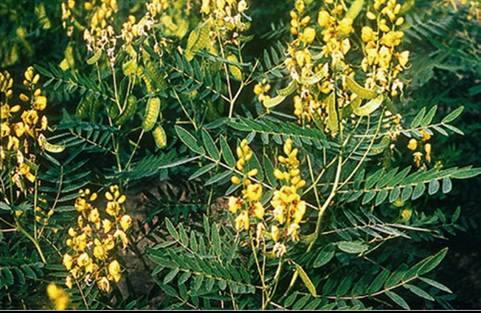
Color Plate 54.4 Coffee weed (Cassia). (From Schilcher H: Leitfaden phytotherapie, Urban & Fischer, Munchen, 2010, Elsevier)
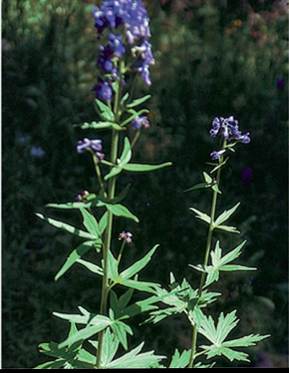
Color Plate 54.1 Tall larkspur (Delphinium barbeyi). (From Plumlee KH:
Clinical veterinary toxicology, St Louis, 2004, Mosby, pp 337-338.)
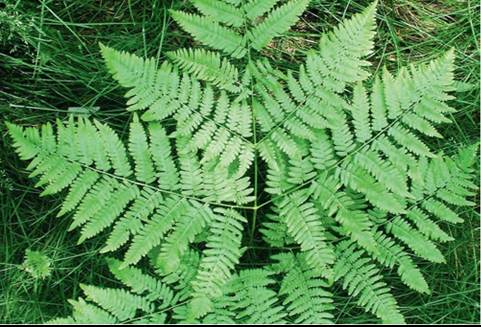
Color Plate 54.2 Bracken fern (Pteridium aquilinum). (From https:// gobotany.newenglandwild.org/genus/pteridium/.)
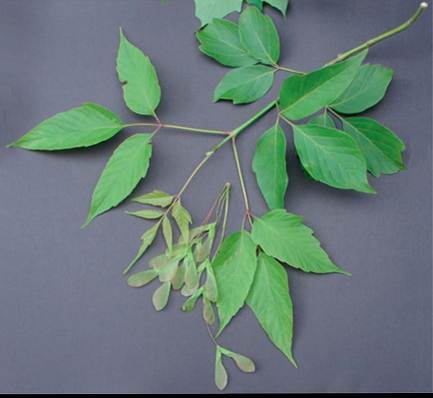
Color Plate 54.5 Box elder (Acer negundo). (Courtesy T.A. Turner, Stillwater, Minn.)
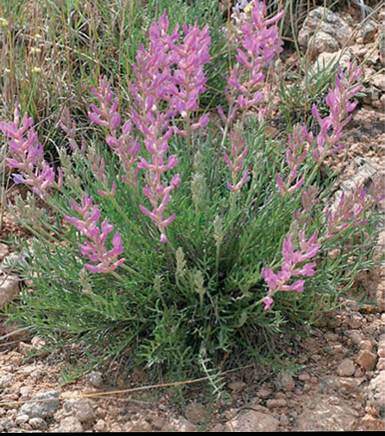
Color Plate 54.3 Lambert’s locoweed (Oxytropis lambertii). (From www. opsu.edu.)
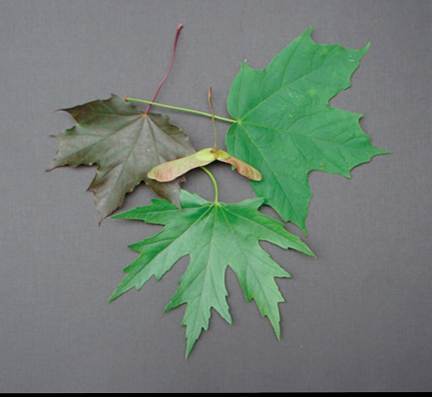
Color Plate 54.6 Maples (Acer spp.). (Courtesy TA. Turner, Stillwater, Minn.)
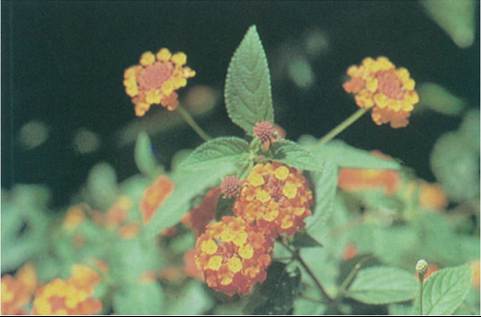
Color Plate 54.7 Lantana (Lantana camara). (From Knottenbelt DC, Pascoe RR: Diseases and disorders of the horse, St Louis, 2003, Saunders.)
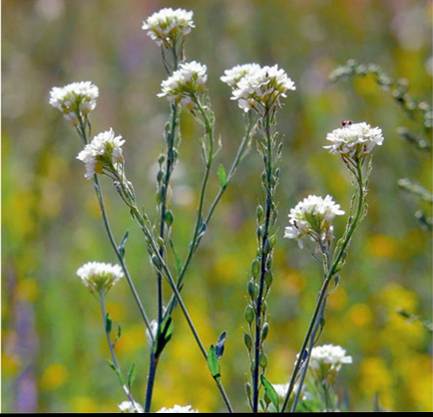
Color Plate 54.10 Hoary alyssum (Berteroa incana). (From http://www. luontoportti.com/suomi/en/kukkakasvit/hoary-alison.)
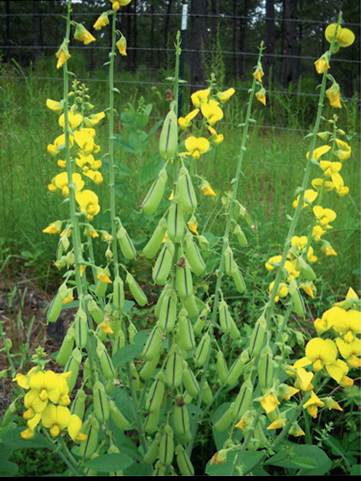
Color Plate 54.8 Rattlebox (Crotolaria spp.). (From http:// goldhillplantfarm-crystal.blogspot.com/2012/11/crotalaria.html.)
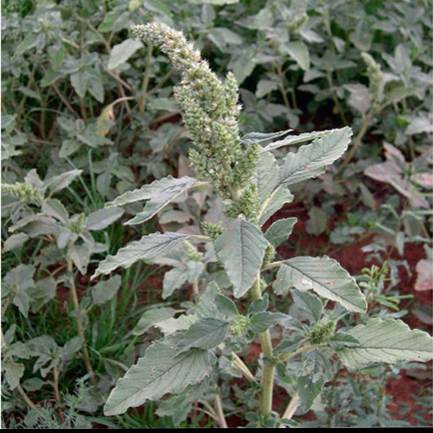
Color Plate 54.11 Pigweed (Amaranthus retroflexus). (From http:// swbiodiversity.org/imglib/semet/Amaranthaceae/photos/Amaranthus_ reetrfextu__00000_l.jpg.)
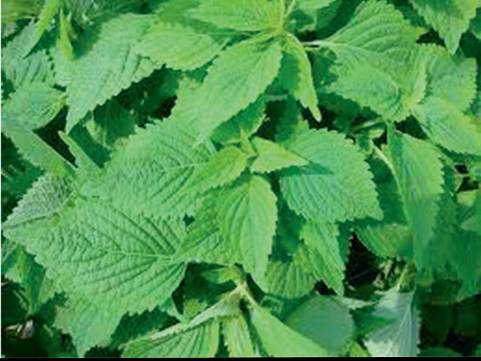
Color Plate 54.9 Perilla mint (Perilla frutescens). (From http://www. geolocation.'ws/v/W/File:Perilla%20frutescens%20002.JPG/-/en.)
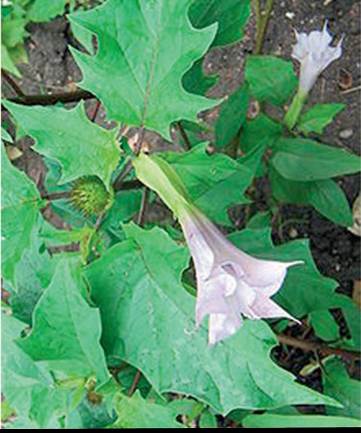
Color Plate 54.12 Jimsonweed (Datura stramonium). (From http:// enrwikipedia.org/wiki/Datura_s^ramonium.)