DIVISIONS OF NERVOUS SYSTEM
The nervous system is divided into two main parts: the central nervous system (CNS) and the peripheral nervous system (PNS) (Figure 8.1).
8.2.1 Central Nervous System (CNS)
The CNS, comprising the Brain and Spinal Cord, acts as the integrative control centre responsible for receiving, processing, and disseminating sensory information to coordinate complex cognitive processes, effector responses, and maintenance of physiological homeostasis.
While the brain integrates sensory stimuli, generates thought and emotion, and coordinates motor output, the spinal cord serves as a communication conduit that facilitates the bidirectional flow of sensory information from the periphery to the brain and motor commands from the brain to the periphery.8.2.2 Peripheral Nervous System (PNS)
The peripheral nervous system (PNS) consists of nerves and ganglia (clusters of nerve cell bodies) that extend from the central nervous system (CNS) to various parts of the body. It serves as a communication network between the CNS and the rest of the body, enabling sensory information to be transmitted to the brain and motor commands to be sent from the brain to muscles and glands. It governs the skeletal muscles, enabling the animal to consciously execute a wide range of movements with precision. It follows a descending motor pathway originating from the primary motor cortex in the brain. This cortical area in the brain involves specialized neurons responsible for generating voluntary movements. The signals generated descend from the brainstem and spinal cord, traversing into the synapse with the alpha motor neurons. These alpha motor neurons innervate skeletal muscle fibres, triggering their actions by contraction.
The PNS is further divided into two main functional components:
a. Somatic Nervous System (SNS): Controls voluntary movements and receives sensory information from the external environment.
It includes sensory neurons that transmit information from the body’s sensory receptors (e.g., skin, muscles) to the CNS, and motor neurons that convey signals from the CNS to skeletal muscles, enabling voluntary movements. Based on the site of recognition and exertion of its action, the neurons that are involved are classified as sensory and motor neurons.i. Sensory Neurons: These neurons detect stimuli from the external environment or within the body (such as touch, temperature, pain, and proprioception) and transmit this information to the CNS, particularly the brain and spinal cord.
ii. Motor Neurons: These neurons transmit signals from the CNS to skeletal muscles, resulting in voluntary movements. Motor neurons carry commands from the brain or spinal cord to the muscles, allowing for coordinated movement and muscle contraction.
The somatic nervous system plays a crucial role in various activities, including walking and performing other voluntary actions. It allows animals to interact with their environment and respond to sensory stimuli consciously.
DOI: 10.1201/9781003426851-8
67
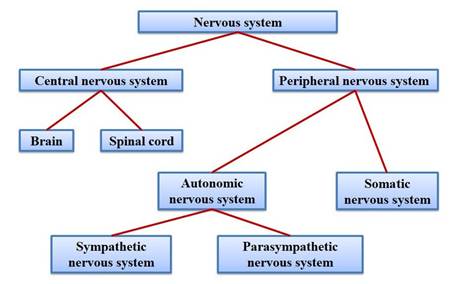
FIGURE 8.1 Divisions of the Nervous system
b. Autonomic Nervous System (ANS): Regulates involuntary bodily functions, such as heart rate, digestion, respiration, and glandular activity, to maintain internal homeostasis. The ANS operates without conscious control and is further divided into the sympathetic and parasympathetic divisions, which often have opposing effects on target organs, helping to balance physiological responses in different situations. The ANS consists of two main divisions with complementary functions:
i. Sympathetic Division: Often referred to as the “fight or flight” response, the sympathetic division releases norepinephrine (noradrenaline) and epinephrine (adrenaline) from preganglionic neurons, which bind to adrenergic receptors on target organs to activate them to widespread physiological changes that prepare the body for exertion, such as increased heart rate, respiration rate, blood pressure, pupillary dilation, and blood sugar levels.
ii. Parasympathetic Division: Known as the “rest and digest” response, the parasympathetic division shows opposing effects of the sympathetic nervous system, promoting relaxation, conserving energy, and facilitating digestion and other restorative processes. Acetylcholine is the primary neurotransmitter in this system. It slows heart rate, constricts airways, stimulates digestion, and promotes relaxation. environment and also to learn from experiences, in a way, to adjust their future responses accordingly.
8.4