INTRODUCTION
Growth is a biological process which occurs through a series of cellular proliferation, differentiation, and morphogenesis resulting in a continuously increase in the size and weight of an animal.
Growth takes place through the processes of increase of cell numbers and size. Growth and development of cells, tissues, and organs occur during prenatal and postnatal life of an organism. Various factors that regulate growth during prenatal periods include heredity, endocrine factors, maternal age and nutrition, sex of the fetus, litter size, and environment (Figure 23.1).Several factors which influence postnatal growth include genetic factors, nutritional, climatic, managemental, and health status of animal. The factors and biological process that influences the growth of meat-producing animals and poultry species is very much essential to maximize the growth for meat and egg production efficiency, and quality of the product yield by the animals. However, the growth process may be manipulated by using various growth promoter, feed additives, and supplementation of growth factors to improve the growth of animals.
Growth is defined as an increase in cell number and an increase in cell size, resulting in a permanent change in the form/shape of an animal is called as growth.
Growth is also defined as a function of heredity of a specific subject and varies with the fact that animals kept on maintenance or even sub-maintenance diets may increase in size due to bone growth, although weight may remain constant or may diminish.
Broody defined growth as “Relatively irreversible time change in the measured dimensions”
Maynard distinguished true growth from the deposition of fat in adipose tissues. True growth is an increase in the weight of organs and of structural tissues like muscles and bones, while no such changes occur during growth due to the deposition of fat in adipose tissues. Growth is characterized by increase in protein, mineral and water.
Increase in cell number (Hyperplasia), e.g., blood corpuscles, hair follicle cells, skin cells, etc., always grow by an increase in cell number. Hyperplasia occurs as a consequence of DNA replication and protein synthesis.
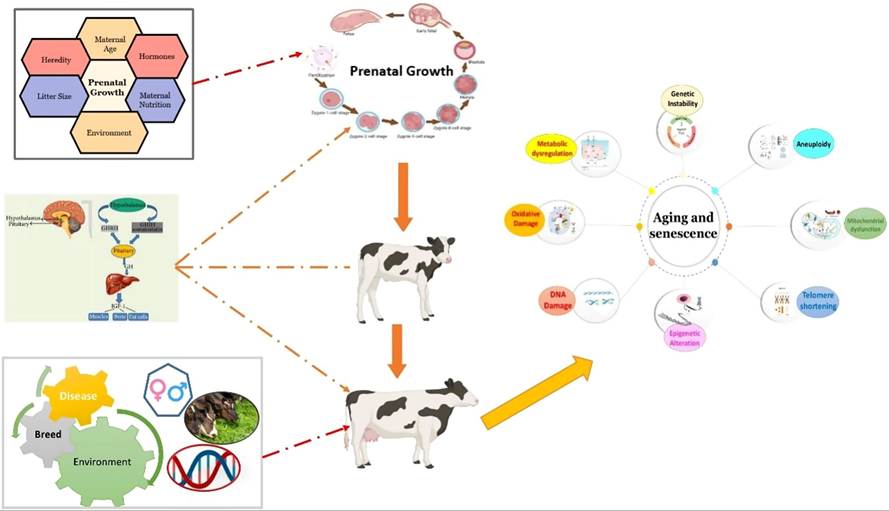
FIGURE 23.1 Several factors influence the growth of animals.
Increase in cell size (Hypertrophy), e.g., nerve tissues and skeletal muscle tissue, grows by increase in protoplasm of cells.
23.2
More on the topic INTRODUCTION:
- Introduction
- Introduction
- EPIDEMIOLOGY
- The Doe
- Vogelnest L., Portas T. (Eds.). Current Therapy in Medicine of Australian Mammals. CSIRO,2025. — 848 p., 2025
- NON-INFECTIOUS DISEASE
- Parenteral Nutrition in Ruminants
- Diseases Caused by Bovine Viral Diarrhea Virus (BVDV)
- Smith Bradford P., Van Metre David C., Pusterla Nicola (eds.). Large Animal Internal Medicine. Part 2. 6th edition. — Elsevier,2020. — 2279 p., 2020
- Other Problems Affecting the Buck